Skip to content
  • EN
  • UA
  • RU
Ukraine War Environmental Consequences Work Group

Ukraine War Environmental Consequences Work Group

Seeking solutions through information sharing about the environmental impacts of the war. UWEC Work Group.

  • Home
  • About UWEC
  • Issues
    • Issue #32
    • Issue #31
    • Issues 21-30
      • Issue #30
      • Issue #29
      • Issue #28
      • Issue #27
      • Issue #26
      • Issue #25
      • Issue #24
      • Issue #23
      • Issue #22
      • Issue #21
    • Issues 11-20
      • Issue #20
      • Issue #19
      • Issue #18
      • Issue #17
      • Issue #16
      • Issue #15
      • Issue #14
      • Issue #13
      • Issue #12
      • Issue #11
    • Issues 1-10
      • Issue #10
      • Issue #9
      • Issue #8
      • Issue #7
      • Issue #6
      • Issue #5
      • Issue #4
      • Issue #3
      • Issue #2
      • Issue #1
  • Contacts
  • Resources
    • Webinars
  • Toggle search form

Occupied Agricultural Lands and Biodiversity at Risk in Ukraine

Posted on February 3, 2026February 4, 2026 By Editor No Comments on Occupied Agricultural Lands and Biodiversity at Risk in Ukraine

While the country’s eastern regions now under Russian occupation are primarily industrial areas, the southern expanse of Crimea and Kherson has historically been central to agriculture, botany and biodiversity.

Support UWEC Work Group

Although Ukraine covers less than 6% of Europe’s landmass, it is home to about 35% of the continent’s biodiversity. Many of the country’s rare and endemic species are located in the steppe zone and along Crimea’s coasts and mountains.

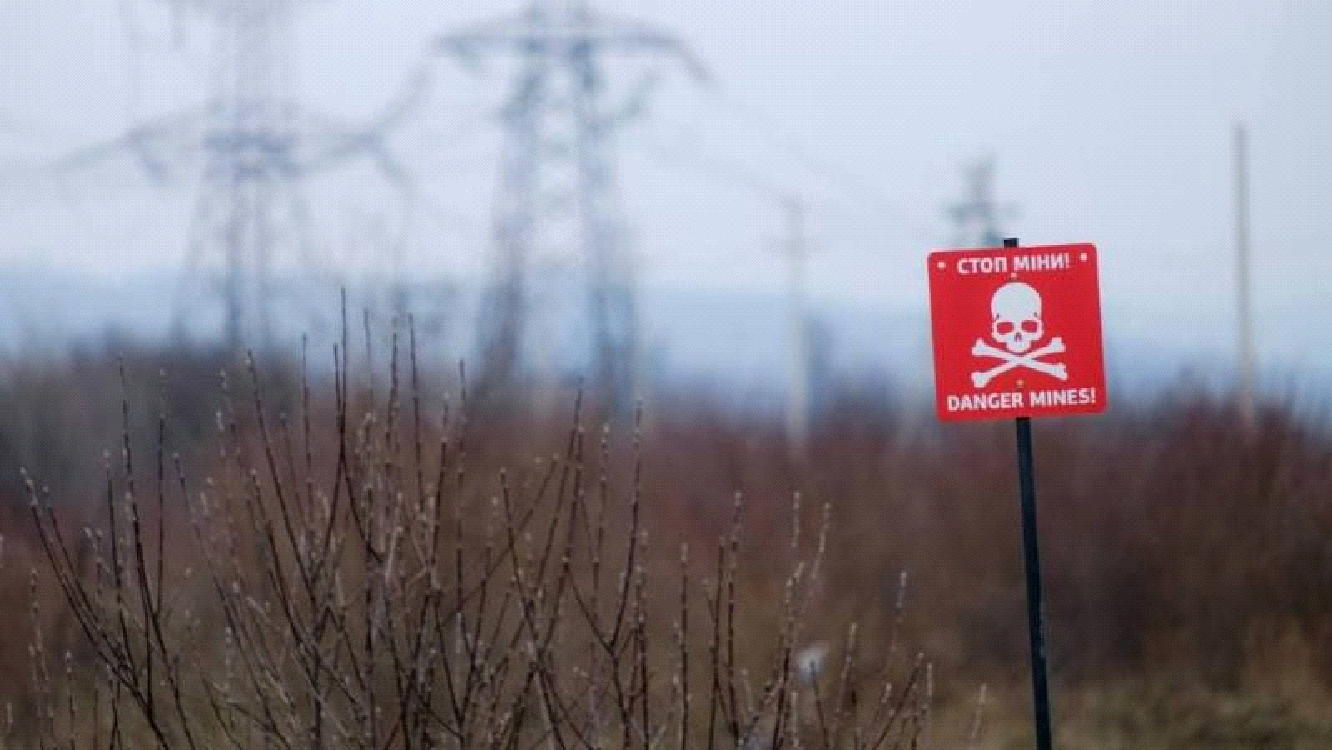
“This territory that is taken, it’s almost 40% of all the agricultural land of Ukraine,” says Oleksii Vasyliuk, a zoologist and member of the UWEC Work Group. He adds that the country’s largest national parks and reserves, including one of the world’s oldest steppe reserves, Askania-Nova, are primarily in that zone and have fallen under occupation. “This territory will be inaccessible to us for many decades, or maybe even centuries” because it has been heavily mined, he says.
Ukraine

Danger! Mines! The terrible environmental and human cost of Ukraine’s minefields

For that reason, he adds, Ukraine is documenting instances of “ecocide”, in the hope that the international criminal court will recognise Russian crimes against the environment as war crimes when the conflict concludes.

Source: the Guardian

Recent posts:

  • Environmental security: a key element of Ukraine’s national policy
  • Swamps vs tanks: How wetlands defend in wartime
  • Ukraine scores decisive victory at World Conservation Congress
  • Environmental Consequences of the War in Ukraine—October-November 2025
  • Russia selling off rare animals from Ukraine’s Askania-Nova nature reserve
News

Related Posts

  • IUCN World Conservation Congress 2025: Ukraine Shapes Global Conservation Dialogue News
  • IUCN Congress 2025: Ukrainian Leadership and Global Recognition News
  • How Warfare Destroys Ukraine’s Farmland and Wildlife News
  • Toxic Ruined Cities in Ukraine: Asbestos, Mines, and Chemical Legacies News
  • IUCN Congress 2025: Ukraine Blocks Russia’s Political Lobby News
  • Ukraine at the IUCN-2025 Congress: war as a threat to biodiversity News

Leave a Reply Cancel reply

Your email address will not be published. Required fields are marked *

  • Twitter
  • Facebook
  • YouTube
  • Telegram
  • Bluesky
Support Us

Topics

  • Civil society (33)
  • Climate Crisis (9)
  • Crisis & Cooperation (44)
  • Direct Impact (52)
  • Ecosystems (62)
  • Environmental Policy (79)
  • Green Recovery (37)
  • Issues (1)
  • News (8)
  • Sanctions (11)
  • Uncategorized (10)
  • Webinars (11)

Sign-up for Our Issues:

Copyright © 2022-2025 Ukraine War Environmental Consequences Working Group.

Powered by PressBook News WordPress theme