Skip to content
  • EN
  • UA
  • RU
Ukraine War Environmental Consequences Work Group

Ukraine War Environmental Consequences Work Group

Seeking solutions through information sharing about the environmental impacts of the war. UWEC Work Group.

  • Home
  • About UWEC
  • Issues
    • Issue #33
    • Issue #32
    • Issue #31
    • Issues 21-30
      • Issue #30
      • Issue #29
      • Issue #28
      • Issue #27
      • Issue #26
      • Issue #25
      • Issue #24
      • Issue #23
      • Issue #22
      • Issue #21
    • Issues 11-20
      • Issue #20
      • Issue #19
      • Issue #18
      • Issue #17
      • Issue #16
      • Issue #15
      • Issue #14
      • Issue #13
      • Issue #12
      • Issue #11
    • Issues 1-10
      • Issue #10
      • Issue #9
      • Issue #8
      • Issue #7
      • Issue #6
      • Issue #5
      • Issue #4
      • Issue #3
      • Issue #2
      • Issue #1
  • Highlights
  • Contacts
  • Resources
    • Webinars
  • Toggle search form

Author: Editor

Environmental consequences of the war in Ukraine: Dec 2025 – February 2026 review

Posted on March 26, 2026March 26, 2026 By Editor No Comments on Environmental consequences of the war in Ukraine: Dec 2025 – February 2026 review
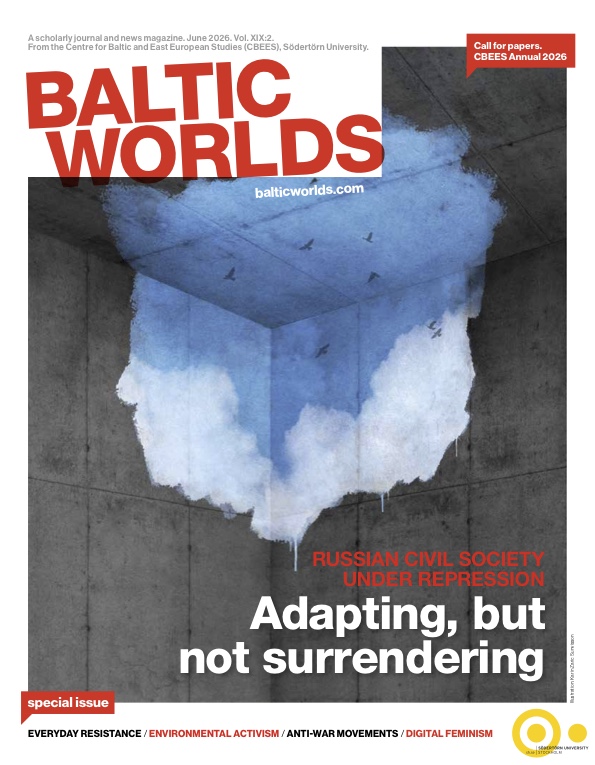
Environmental consequences of the war in Ukraine: Dec 2025 – February 2026 review

Alexei Ovchinnikov

Read More “Environmental consequences of the war in Ukraine: Dec 2025 – February 2026 review” »

Climate Crisis, Direct Impact

How new technology is helping make Ukraine’s demining process greener

Posted on March 23, 2026March 23, 2026 By Editor No Comments on How new technology is helping make Ukraine’s demining process greener
How new technology is helping make Ukraine’s demining process greener

Yelizaveta Temchenko

Read More “How new technology is helping make Ukraine’s demining process greener” »

Crisis & Cooperation, Green Recovery

Black Sea dolphins and porpoises: the impact of war on marine mammals

Posted on March 20, 2026April 2, 2026 By Editor No Comments on Black Sea dolphins and porpoises: the impact of war on marine mammals

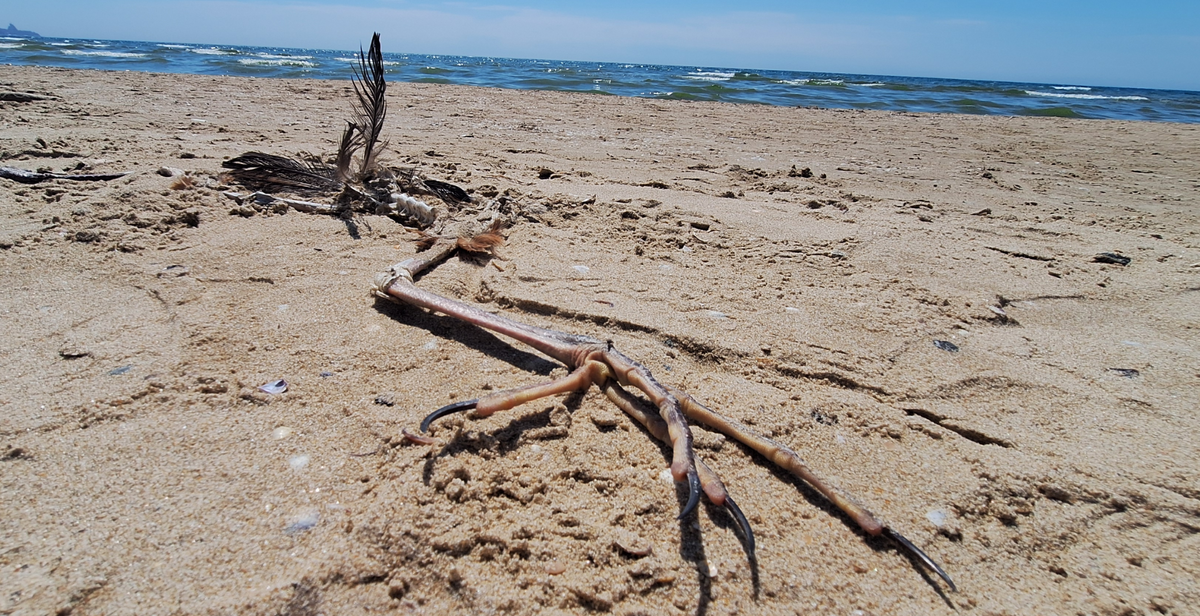
Full-scale war has significantly increased the ecological risks facing the Black Sea marine mammals. Today, three species inhabit the region: the bottlenose dolphin, the common dolphin, and the porpoise. As apex predators, they are particularly vulnerable to pollution and ecosystem changes. Historically, these populations have already suffered from hunting, unsustainable coastal development and invasive species….

Read More “Black Sea dolphins and porpoises: the impact of war on marine mammals” »

Highlights

Kreminski Forests National Park in the Luhansk region devastated by the war

Posted on March 17, 2026April 2, 2026 By Editor No Comments on Kreminski Forests National Park in the Luhansk region devastated by the war

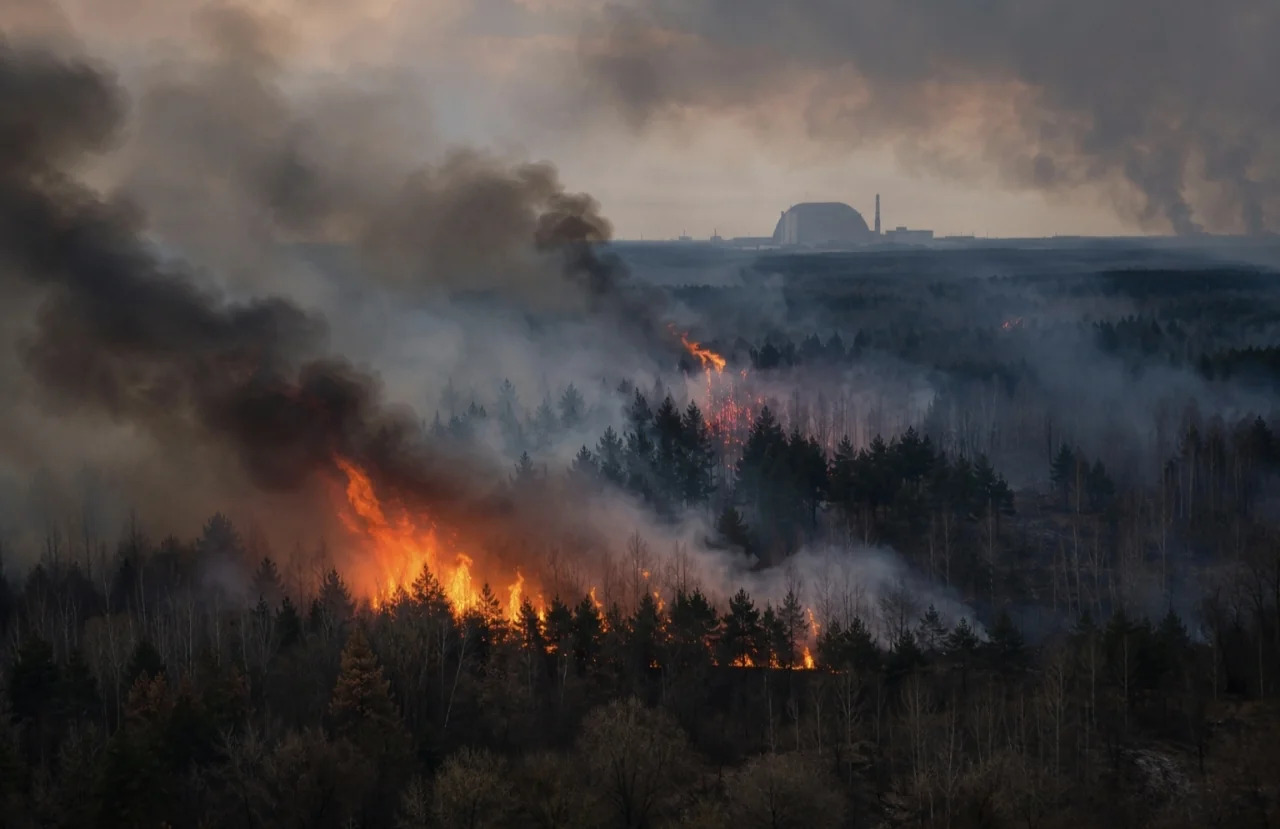
The Kreminski Forests National Park in the Luhansk region has been virtually destroyed as a result of the fighting. Established in 2019, this park was the region’s only national park and one of the largest forest areas in eastern Ukraine. The Kreminski Forests were a unique natural phenomenon. It was an island of boreal forests…

Read More “Kreminski Forests National Park in the Luhansk region devastated by the war” »

Highlights

Building Back Business as usual: Can the Rapid Damage and Needs Assessment provide strategic planning support for green rebuilding of Ukraine?

Posted on March 17, 2026March 17, 2026 By Editor No Comments on Building Back Business as usual: Can the Rapid Damage and Needs Assessment provide strategic planning support for green rebuilding of Ukraine?
Building Back Business as usual: Can the Rapid Damage and Needs Assessment provide strategic planning support for green rebuilding of Ukraine?

Eugene Simonov and Oleksiy Vasyliuk

Read More “Building Back Business as usual: Can the Rapid Damage and Needs Assessment provide strategic planning support for green rebuilding of Ukraine?” »

Civil society, Environmental Policy, Green Recovery

Carbon dioxide emissions from the war in Ukraine grew by 75 million tons

Posted on March 15, 2026April 2, 2026 By Editor No Comments on Carbon dioxide emissions from the war in Ukraine grew by 75 million tons

A new assessment of the environmental and climate impacts of the war in Ukraine reveals far-reaching consequences. Over four years of full-scale invasion, CO2 emissions totaled 311 million tons—equivalent to France’s total annual emissions and half of Germany’s annual emissions—and are estimated to have caused nearly $57 billion in climate damage. Of these, 114 million…

Read More “Carbon dioxide emissions from the war in Ukraine grew by 75 million tons” »

Highlights

Russia establishes “Velykyi Luh” National Park in occupied Zaporizhzhia

Posted on March 13, 2026April 2, 2026 By Editor No Comments on Russia establishes “Velykyi Luh” National Park in occupied Zaporizhzhia

In January 2026, the Russian government announced the creation of the “Velykyi Luh” National Park in the occupied territory of Zaporizhzhia Oblast. The new nature reserve covers an area of approximately 16,700 hectares and completely overlaps with the boundaries of the Ukrainian national park of the same name. The park includes the former territories of…

Read More “Russia establishes “Velykyi Luh” National Park in occupied Zaporizhzhia” »

Highlights

Militarization of the Zaporizhzhia Nuclear Power Plant increases risks to nuclear safety

Posted on March 11, 2026April 2, 2026 By Editor No Comments on Militarization of the Zaporizhzhia Nuclear Power Plant increases risks to nuclear safety

An analysis of satellite imagery conducted by McKenzie Intelligence Services at the request of Greenpeace Ukraine in February 2026 revealed intensification of the militarization of the Zaporizhzhia Nuclear Power Plant. Construction of new military facilities and anti-drone fortifications has been observed on the plant’s grounds. Satellite data shows that the cooling pond’s surface area has…

Read More “Militarization of the Zaporizhzhia Nuclear Power Plant increases risks to nuclear safety” »

Highlights

How food became a weapon in Ukraine

Posted on March 9, 2026March 9, 2026 By Editor No Comments on How food became a weapon in Ukraine

When we visualize the war in Ukraine, the images that usually come to mind are kinetic: tanks rolling across plains, missile strikes on apartment blocks, and drone warfare in the skies. However, a new academic study published in International Affairs reveals a quieter, yet equally deadly front line: the problem of food safety and the…

Read More “How food became a weapon in Ukraine” »

Highlights

Liquid iron curtain: how the Dnipro turned from a cradle of life into a weapon of mass destruction

Posted on March 6, 2026March 16, 2026 By Editor No Comments on Liquid iron curtain: how the Dnipro turned from a cradle of life into a weapon of mass destruction

The war in Ukraine has opened a new and alarming chapter in the history of modern conflicts, where natural resources have ceased to be merely the backdrop of hostilities and have become direct participants in the tragedy. A new study by scholars from the Netherlands, the United States, and Iran convincingly shows how hydropolitics –…

Read More “Liquid iron curtain: how the Dnipro turned from a cradle of life into a weapon of mass destruction” »

Highlights

Posts pagination

1 2 … 22 Next
  • Twitter
  • Facebook
  • YouTube
  • Telegram
  • Bluesky
Support Us

Topics

  • Civil society (36)
  • Climate Crisis (11)
  • Crisis & Cooperation (49)
  • Direct Impact (56)
  • Ecosystems (64)
  • Environmental Policy (82)
  • Green Recovery (42)
  • Highlights (30)
  • Issues (1)
  • Sanctions (12)
  • Uncategorized (8)
  • Webinars (11)

Sign-up for Our Issues:

Copyright © 2022-2025 Ukraine War Environmental Consequences Working Group.

Powered by PressBook News WordPress theme