Martin Vrba, Marta Abbá
Read More “LNG dependency poses a risk to Europe’s climate ambitions” »
Ukraine War Environmental Consequences Work Group
Seeking solutions through information sharing about the environmental impacts of the war. UWEC Work Group.
In early March 2026, apocalyptic scenes unfolded in Tehran, Iran. Following intense airstrikes on Iranian oil refineries and fuel depots, the capital was shrouded in thick, toxic smog. When soot, sulfur compounds and heavy metals released into the air by the fires entered the cyclone’s path, “black acid rain” fell on the city. Local residents…
Martin Vrba, Marta Abbá
Read More “LNG dependency poses a risk to Europe’s climate ambitions” »
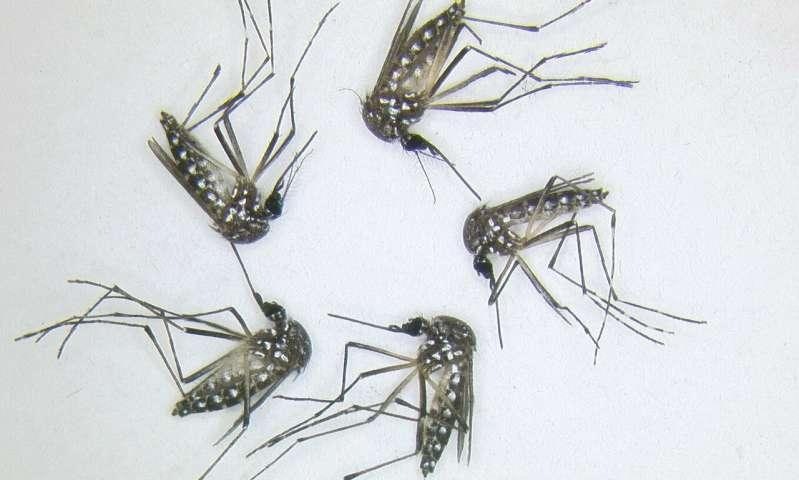
We have already covered how, since the start of the full-scale invasion, Russian propaganda has tried to frighten the world with stories about “American biolabs” in Ukraine. From UN podiums and television screens, Russian officials seriously spoke about infected birds, “ethnically targeted” pathogens, and even combat mosquitoes allegedly aimed at Russians. At the time, these…
Ukraine’s wetlands are critical for biodiversity, water security and climate regulation. Globally, peatlands store over 600 gigatons of carbon and absorb 0.37 gigatons of CO₂ annually, according to the International Union for Conservation of Nature. Although Ukraine has a modest share of wetlands, its peatlands remain strategically important. Some areas are protected within the Emerald…
Read More “Ukraine’s peatlands and wetlands: climate value, legal gaps and restoration urgency” »
After the December 2025 strike on Pivdennyi port, authorities failed to promptly seal the Small Adzhalyk Estuary. The sunflower oil spill spread 55 km along the Odesa coast, covering 130 km² and contaminating beaches. Hundreds of oil-coated birds were rescued, while dead wildlife later appeared as far as Tuzly Lagoons. Experts warned that early containment…
Read More “Odesa oil spill: delayed response, ecological damage and wildlife crisis” »
Ukraine’s Polissia wetlands could have played an even greater defensive role in 2022. Decades of Soviet land reclamation drastically shrank wetlands. The 1948 Stalinist transformation plan ordered drainage of 1.9 million hectares in Ukraine. Large-scale projects straightened rivers, destroyed floodplains and drained peat bogs. In 1959, Moscow approved land reclamation of five million hectares of…
Read More “Wetland reclamation in Ukraine: how drained swamps weakened natural defense” »
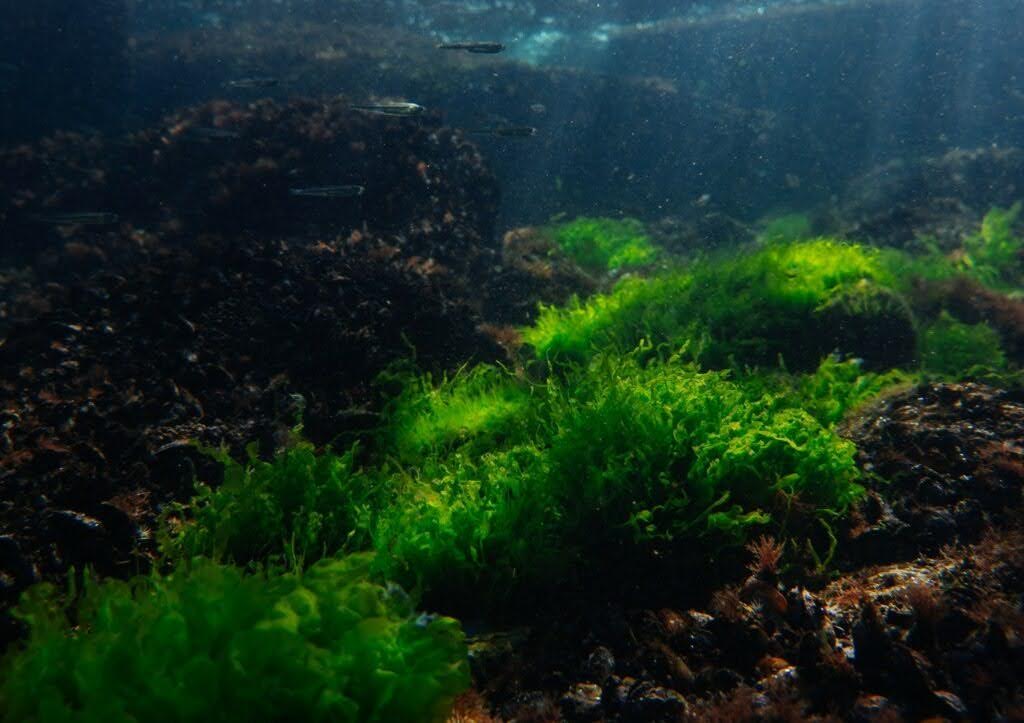
Vegetable oil spills in marine and freshwater bodies can cause severe ecological damage. Studies show they trigger organism mortality, population shifts, and dominance of more resistant species. Unlike crude oil, vegetable oils biodegrade relatively quickly through bacterial decomposition. However, rapid degradation sharply increases biological oxygen demand, causing oxygen depletion and fish kills. In enclosed waters…
Russia’s attacks on oil terminals in Odesa, Chornomorsk, Mykolaiv and Dnipro caused massive sunflower oil spills into estuaries and the Dnipro River. Ukraine exports 5–6 million tons annually, so targeting storage facilities weakens both economy and environment. Russian attacks on vegetable oil facilities open a new front in its war on Ukraine Unlike crude oil,…
Read More “Russia’s strikes on Ukraine’s oil terminals trigger large-scale vegetable oil spills” »
Oleksii Vasyliuk, Eugene Simonov
Read More “Russia’s attacks on vegetable oil facilities open a new front in its war on Ukraine” »