Skip to content
  • EN
  • UA
  • RU
Ukraine War Environmental Consequences Work Group

Ukraine War Environmental Consequences Work Group

Seeking solutions through information sharing about the environmental impacts of the war. UWEC Work Group.

  • Home
  • About UWEC
  • Issues
    • Issue #33
    • Issue #32
    • Issue #31
    • Issues 21-30
      • Issue #30
      • Issue #29
      • Issue #28
      • Issue #27
      • Issue #26
      • Issue #25
      • Issue #24
      • Issue #23
      • Issue #22
      • Issue #21
    • Issues 11-20
      • Issue #20
      • Issue #19
      • Issue #18
      • Issue #17
      • Issue #16
      • Issue #15
      • Issue #14
      • Issue #13
      • Issue #12
      • Issue #11
    • Issues 1-10
      • Issue #10
      • Issue #9
      • Issue #8
      • Issue #7
      • Issue #6
      • Issue #5
      • Issue #4
      • Issue #3
      • Issue #2
      • Issue #1
  • Highlights
  • Contacts
  • Resources
    • Webinars
  • Toggle search form

Carbon dioxide emissions from the war in Ukraine grew by 75 million tons

Posted on March 15, 2026April 2, 2026 By Editor No Comments on Carbon dioxide emissions from the war in Ukraine grew by 75 million tons

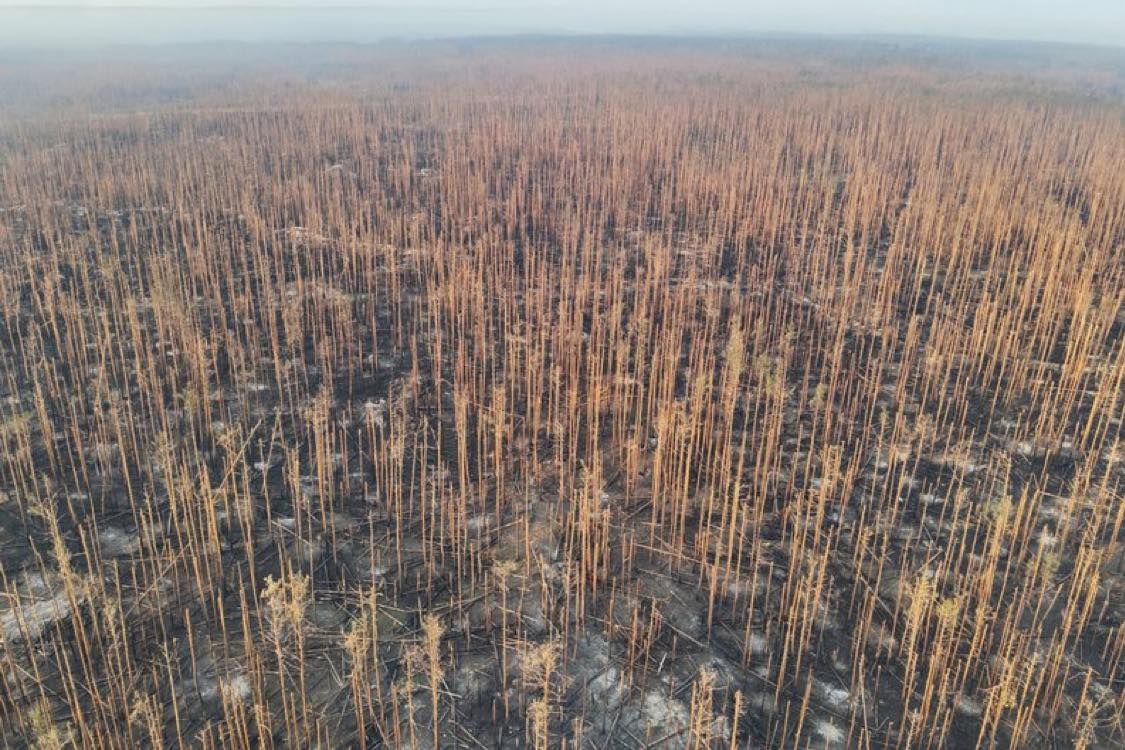
A new assessment of the environmental and climate impacts of the war in Ukraine reveals far-reaching consequences. Over four years of full-scale invasion, CO2 emissions totaled 311 million tons—equivalent to France’s total annual emissions and half of Germany’s annual emissions—and are estimated to have caused nearly $57 billion in climate damage. Of these, 114 million tons were caused by military operations, and 70 million tons by wildfires exacerbated by dry weather and climate change.
war in Ukraine, Zaporizhzhia nuclear power plant, Velykyi Luh

Environmental consequences of the war in Ukraine: Dec 2025 – February 2026 review

Ecodia’s monitoring recorded 2,598 cases of environmental damage, including shelling of nuclear power plants, ports, oil depots, forests, and steppes. Incidents are ranked from 1 to 3 based on their destructive impact: level 1—local damage without widespread impact; level 2—significant local harm; level 3—confirmed major destruction requiring long-term ecosystem restoration. 1,623 cases (63.2%) fall into the first category, but 237 (9.2%) have long-term destructive effects.

The highest intensity of environmental incidents was recorded in the first and fourth years of the war. 2025 was record-setting—931 incidents caused by Russia’s targeted strikes on industrial and energy infrastructure. Experts note a vicious cycle: war exacerbates climate risks, while climate change—such as drought conditions—makes the consequences of hostilities more destructive.

Support UWEC Work Group

Monitoring continues while data is being collected from open sources, including the media, social media, and eyewitness accounts. Comprehensive post-war analysis will allow for an assessment of long-term consequences and the development of measures to restore ecosystems.

Highlights

Related Posts

  • Toxic ruined cities in Ukraine: asbestos, mines, and chemical legacies Highlights
  • Wetland reclamation in Ukraine: how drained swamps weakened natural defense Highlights
  • Militarization of the Zaporizhzhia Nuclear Power Plant increases risks to nuclear safety Highlights
  • Occupied agricultural lands and biodiversity at risk in Ukraine Highlights
  • Russia establishes “Velykyi Luh” National Park in occupied Zaporizhzhia Highlights
  • How Ukraine can integrate environmental security into its national defense strategy Highlights

Leave a Reply Cancel reply

Your email address will not be published. Required fields are marked *

  • Twitter
  • Facebook
  • YouTube
  • Telegram
  • Bluesky
Support Us

Topics

  • Civil society (36)
  • Climate Crisis (11)
  • Crisis & Cooperation (49)
  • Direct Impact (56)
  • Ecosystems (64)
  • Environmental Policy (82)
  • Green Recovery (42)
  • Highlights (30)
  • Issues (1)
  • Sanctions (12)
  • Uncategorized (8)
  • Webinars (11)

Sign-up for Our Issues:

Copyright © 2022-2025 Ukraine War Environmental Consequences Working Group.

Powered by PressBook News WordPress theme