
Environmental security links clean air, safe water, fertile soils, and public health to the survival of society. Ukrainian legislation defines it as the prevention of environmental degradation and threats to human health through the actions of the state, businesses, and citizens.
Russia’s full-scale invasion has raised the issue of Ukraine’s environmental security to a new level. Explosions, fires, mined fields, dam destruction, and various forms of pollution now threaten ecosystems, food security, and public health.
International law prohibits methods of warfare that cause long-term damage to the environment. Treaties such as the Rome Statute allow the International Criminal Court to prosecute large-scale and severe environmental harm. Ukraine’s domestic investigations of crimes against nature and the country’s ratification of the Rome Statute strengthen the ability to ensure accountability and obtain reparations.
Specific disasters illustrate the scale of the damage: the destruction of the Kakhovka Hydropower Plant caused widespread environmental contamination, including a sharp increase in heavy metal concentrations and mass dieoffs of marine organisms; damage estimates reach the tens of billions. Repeated attacks on nuclear and industrial facilities threaten transboundary pollution.
Since 2022, thousands of environmental crimes attributed to Russia, large-scale forest fires, forest loss, and toxic “time bombs” in soils have created chronic risks for ecosystems and human health. Total environmental damage exceeds tens of billions of euros.
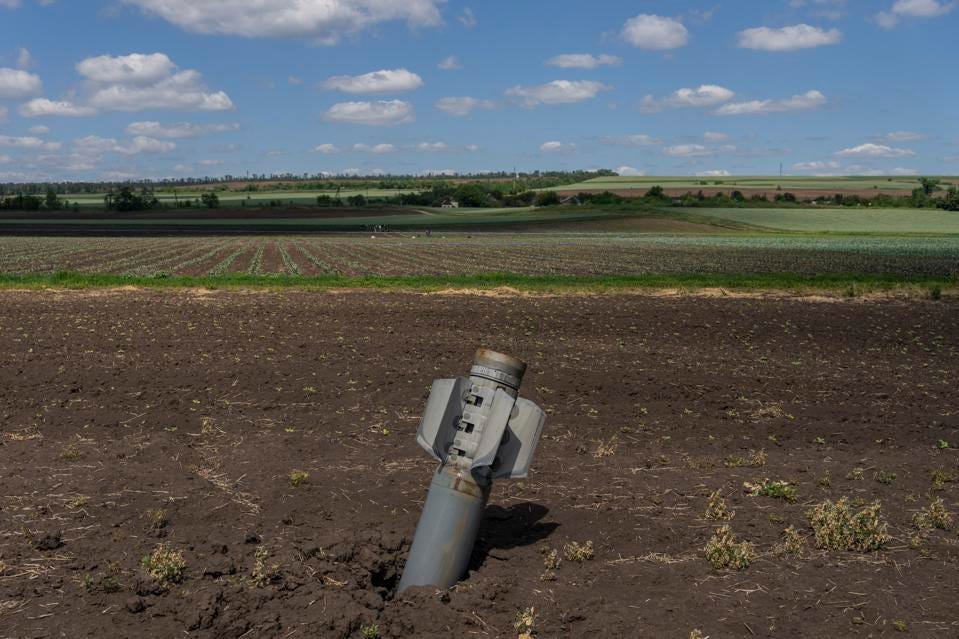
Ukraine has laws and strategies integrating environmental protection into the national security system, along with monitoring and restoration plans. However, gaps remain: methods for assessing damage during wartime are still insufficiently effective, which underestimates losses and complicates funding for recovery and the investigation of crimes.
Closing these gaps requires conflict-adapted monitoring, standardized damage accounting, international technical assistance, and legal strategies linking evidence of environmental crimes in Ukraine to international court proceedings and reparations.
Recent posts:
- Wild Victims of War—Paczoski’s knapweed (Centaurea paczoskii)
- Promises or commitments? Fifty shades of green at the Ukraine Recovery Conference 2026
- Environmental consequences of the war in Ukraine: July–August 2026 Review
- UWEC Work Group designated an “undesirable organization” in Russia
- Wild Victims of War. Great Crested Grebe (Podiceps cristatus)