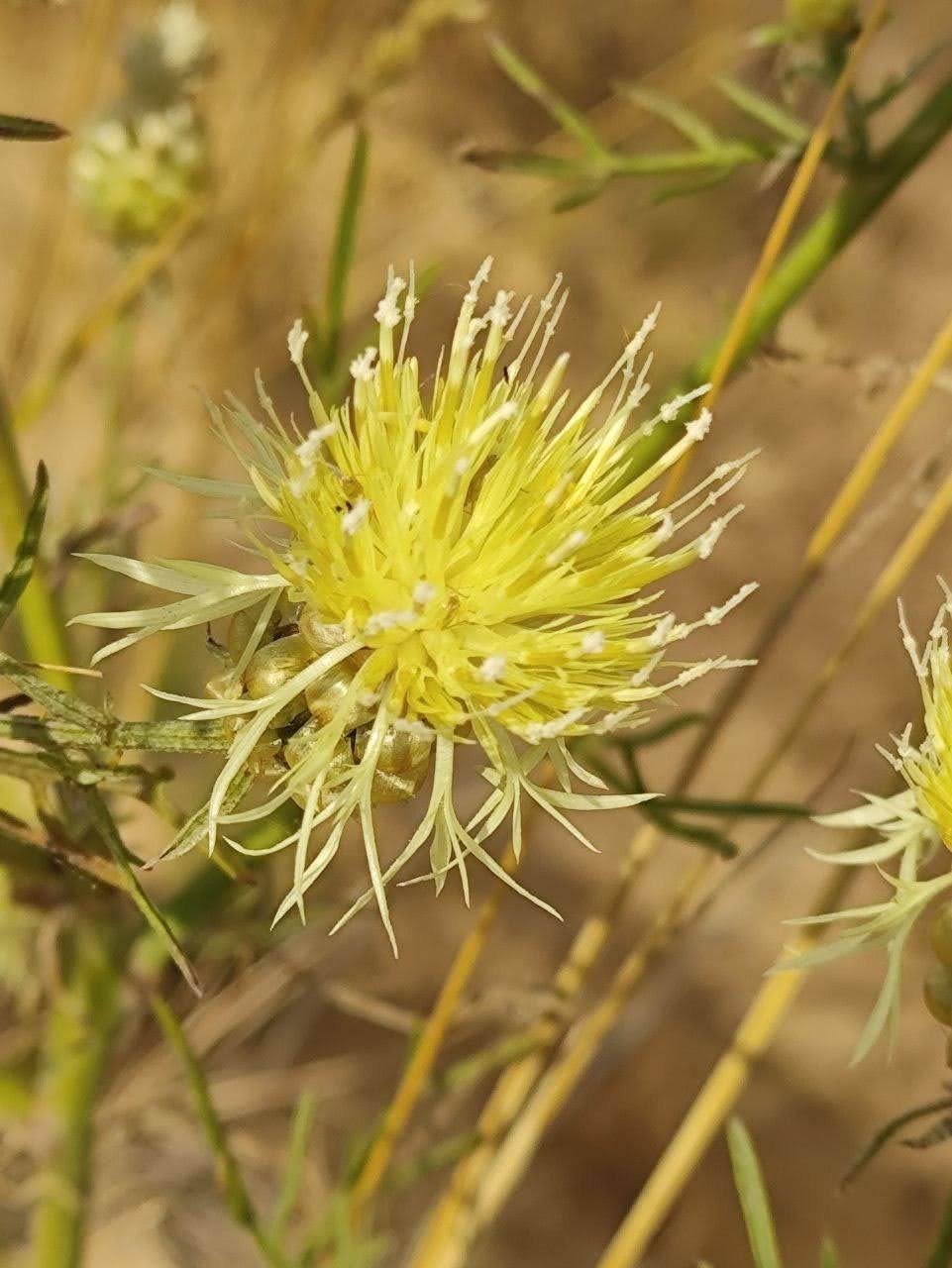
This is the latest in our series examining the war’s impacts on specific animal and plant species. Ukraine is home to a large number of endemics—species found only in very specific areas. One such plant is Paczoski’s knapweed, a rare plant that could have been completely wiped out as a result of Russia’s invasion. However, a recent expedition revealed that this unique species has survived, although it remains threatened.
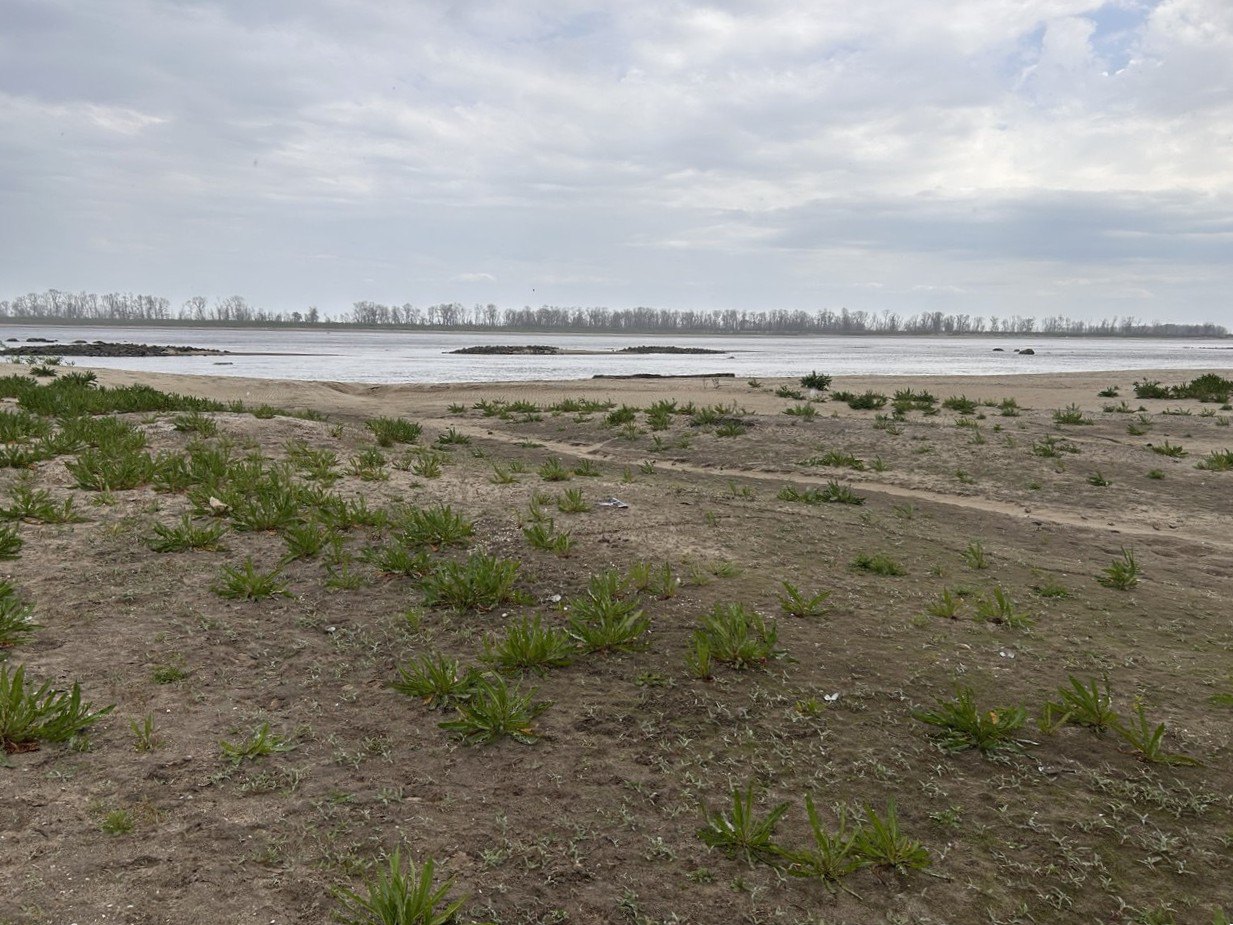
Paczoski’s knapweed (Centaurea paczoskii) grows in only one location—on the sandy banks of the Inhulets River valley in Kherson region. In 2026, scientists from Ukrainian Nature Conservation Group organized a special expedition to the frontline in southern Ukraine to study the war’s impact on biodiversity and develop plans for new nature reserves. But the main goal was to find out whether Paczoski’s knapweed had survived.
Read more: 20 plants that could disappear because of Russia’s invasion of Ukraine
Scientists are aware of only two locations where Centaurea paczoskii grows—near the villages of Novohrednevo and Bobrovy Kut. Before the war, there were about 2,000 known examples of this plant, an amount which for a steppe plant essentially means “on the brink of extinction.” These locations have been known since 1915, and no other populations of this species have been discovered since that time.
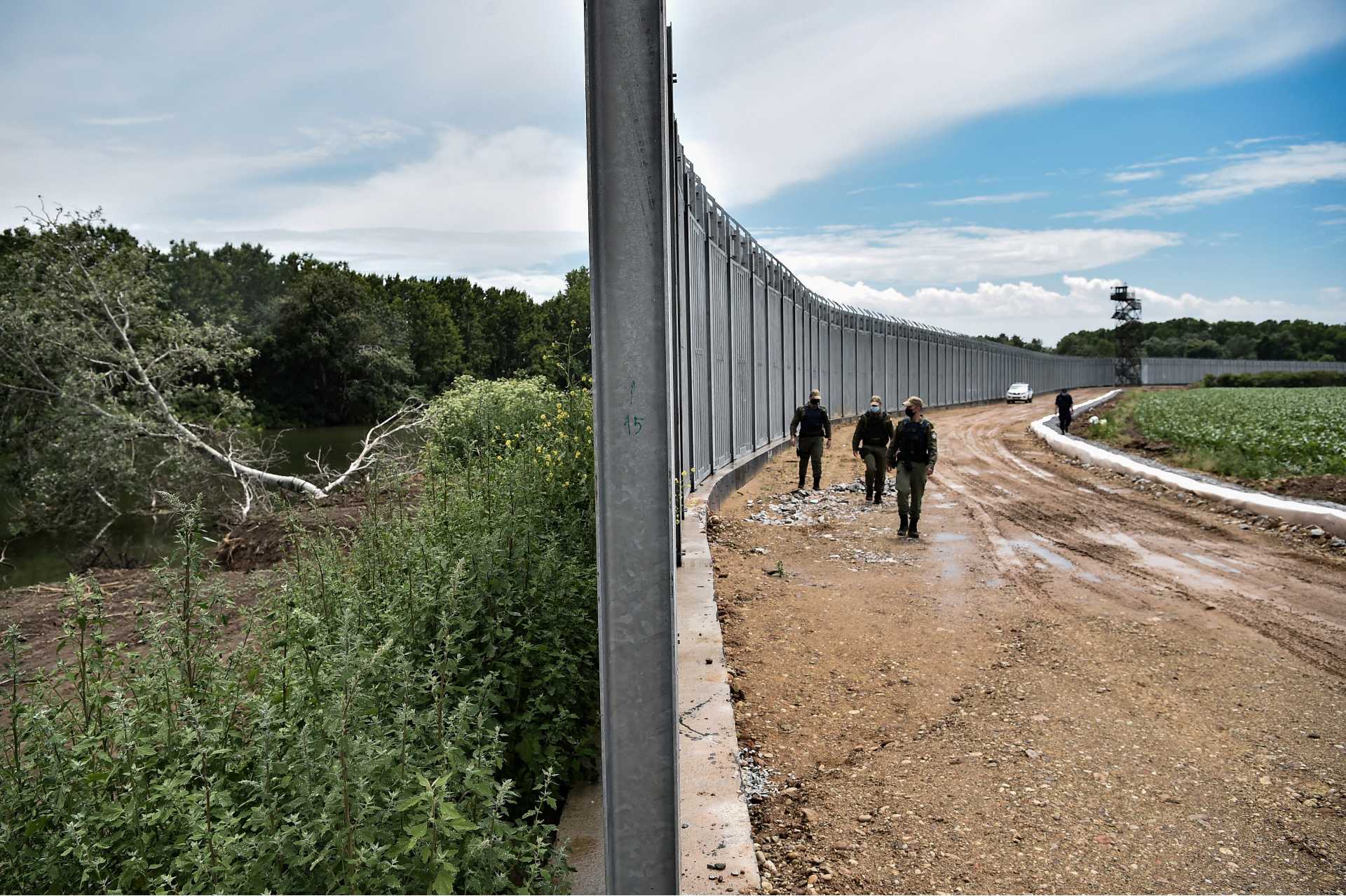
After Russia launched its full-scale invasion in 2022, this endemic’s habitat was located squarely in the combat zone. Heavy fighting took place right where the plant occurs, fighting which halted the Russian forces’ advance northward. This hardy knapweed faces additional threats, including wildfires, construction of military fortifications, and flooding caused by the destruction of the Kakhovka hydropower plant dam.
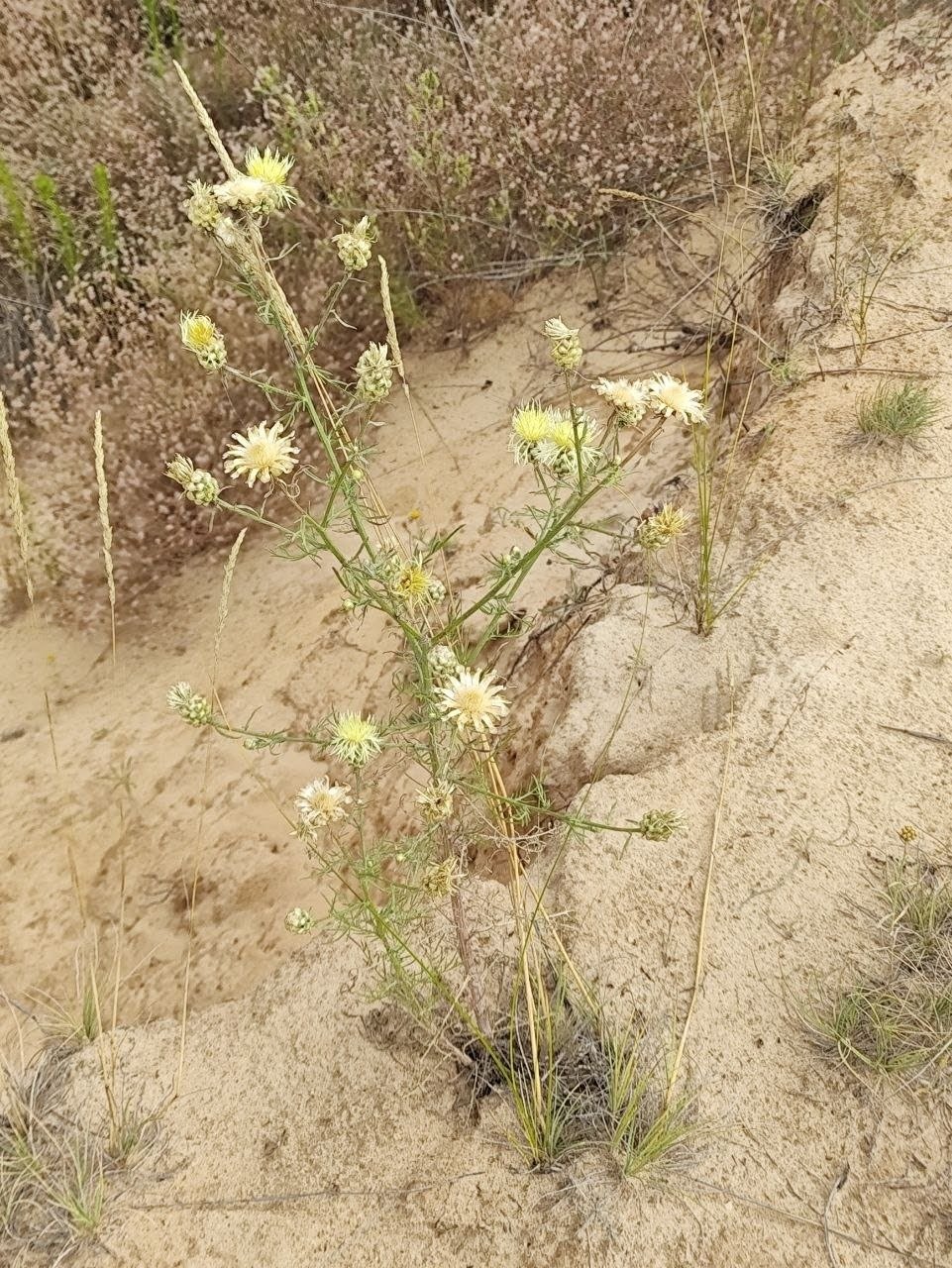
Looking back, this plant was first discovered by the Polish botanist Józef Paczoski. However, he considered it a Central Asian species, and it was not until the 1930s that Mykhailo Kotov determined that Paczoski had, in fact, discovered a distinct species. At this point, this knapweed fell out of scientific view for 80 years and was considered extinct!
In 2008 as part of his work on the third edition of Ukraine’s Red Book, botanist Ivan Moiseenko organized an expedition, one of the goals of which was to search for Paczoski’s knapweed.
He and his colleagues found Centaurea paczoskii exactly where Paczoski and Kotov had initially described it. At that time, the species was threatened with extinction due to a reforestation project in the area around Novohrednevo and Bobrovy Kut. The researchers drafted a statement arguing against the reforestation of these steppe areas, especially since other rare plants are also found there, including Goniolimon graminifolium and Stipa borysthenica. Furthermore, they acted to preserve Paczoski’s knapweed and other rare species through a proposal to establish Bobrovy Kut Nature Reserve (651 ha) and Novogrednensky Natural Monument (21.5 ha). No decision has yet been made regarding the designation of these territories.
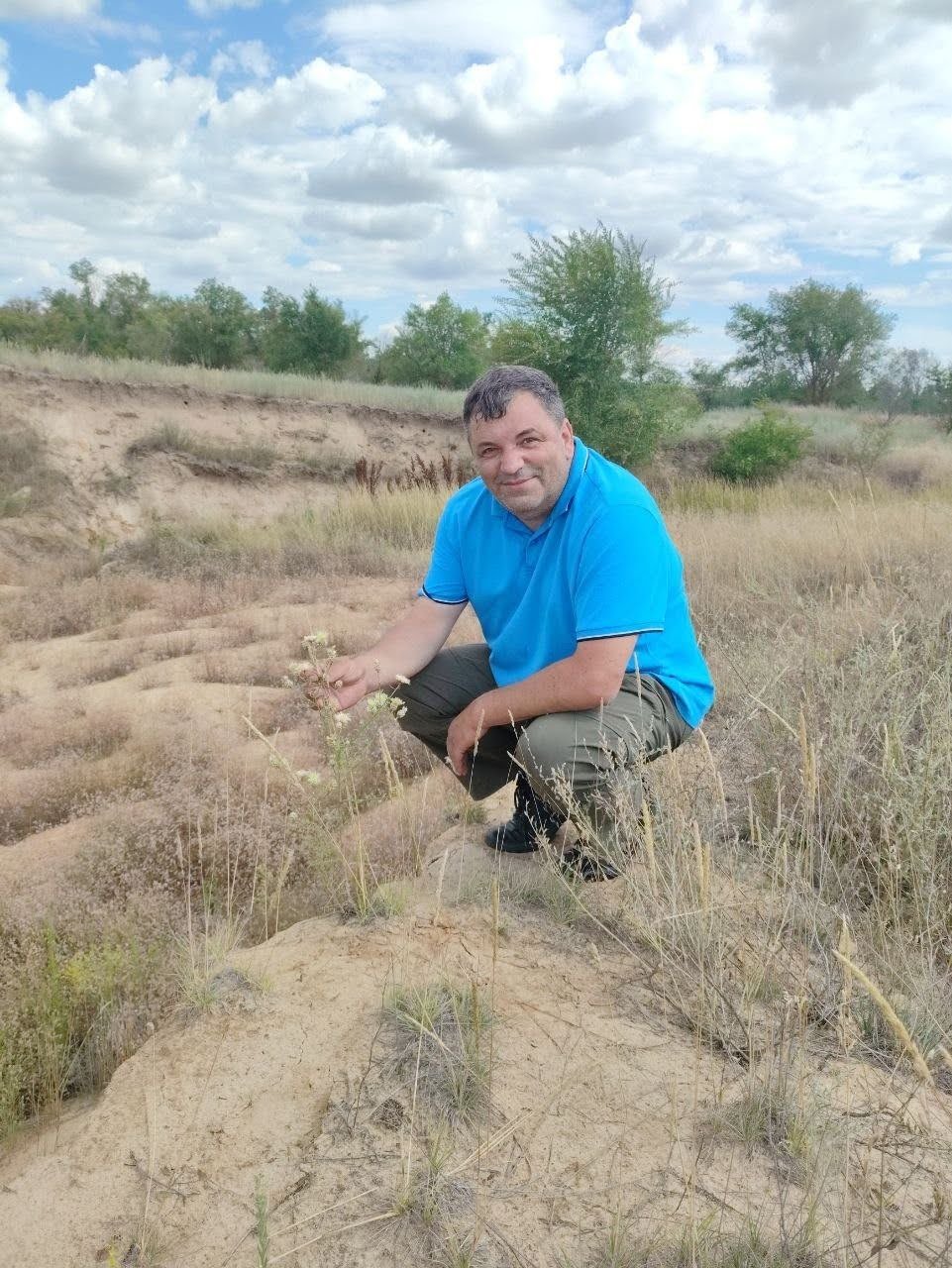
This year’s expedition showed that Paczoski’s knapweed persists in the face of many threats, but now faces at least one additional challenge—land mines. Nevertheless, this unique Ukrainian species has survived, offering hope for nature to recover after the war ends.
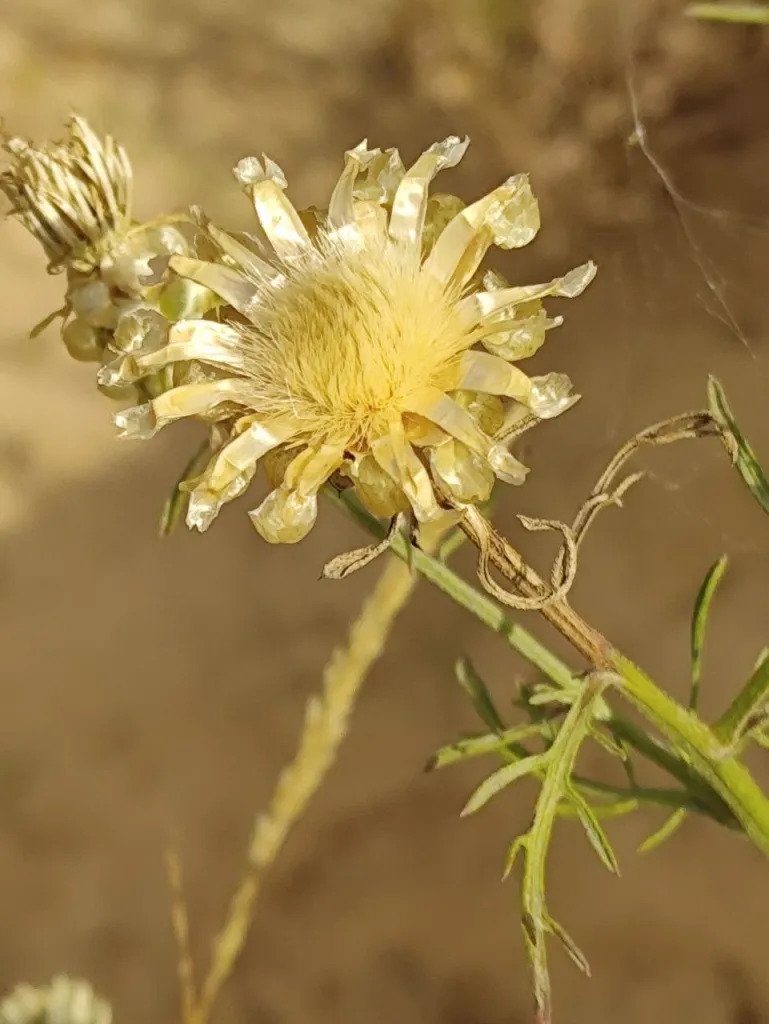
Main image source: Ivan Moiseenko