
When we visualize the war in Ukraine, the images that usually come to mind are kinetic: tanks rolling across plains, missile strikes on apartment blocks, and drone warfare in the skies. However, a new academic study published in International Affairs reveals a quieter, yet equally deadly front line: the problem of food safety and the dinner table.
Authors Simone Papale and Emanuele Castelli argue that Russia’s invasion has systematized “food warfare”—the deliberate use of hunger and agricultural destruction as a military tactic. This isn’t just collateral damage; it is a calculated strategy designed to break the will of the population and leverage global instability.
Four pillars of food warfare
The study identifies four specific ways aspects of this warfare, each with devastating humanitarian and environmental consequences:
1. Blockades: Early in the war, cities like Mariupol and Chernihiv were subjected to medieval-style sieges. By cutting off food and water, invading forces created man-made famines to force surrender. Simultaneously, the naval blockade of the Black Sea dealt a blow to the Ukraine’s economy, spiking food prices globally and threatening vulnerable nations in the Global South.
2. Destruction: This is where the environmental scars run deepest. The study highlights the “scorched earth” tactics used to obliterate Ukraine’s agricultural potential. This includes the widespread use of landmines—rendering nearly 30% of agricultural land unusable in the first year alone—and the catastrophic breach of the Kakhovka dam on the Dnipro River, which destroyed irrigation systems vital for farming. Recent attacks on sunflower oil export facilities in Ukrainian ports combine effects from these first two categories.
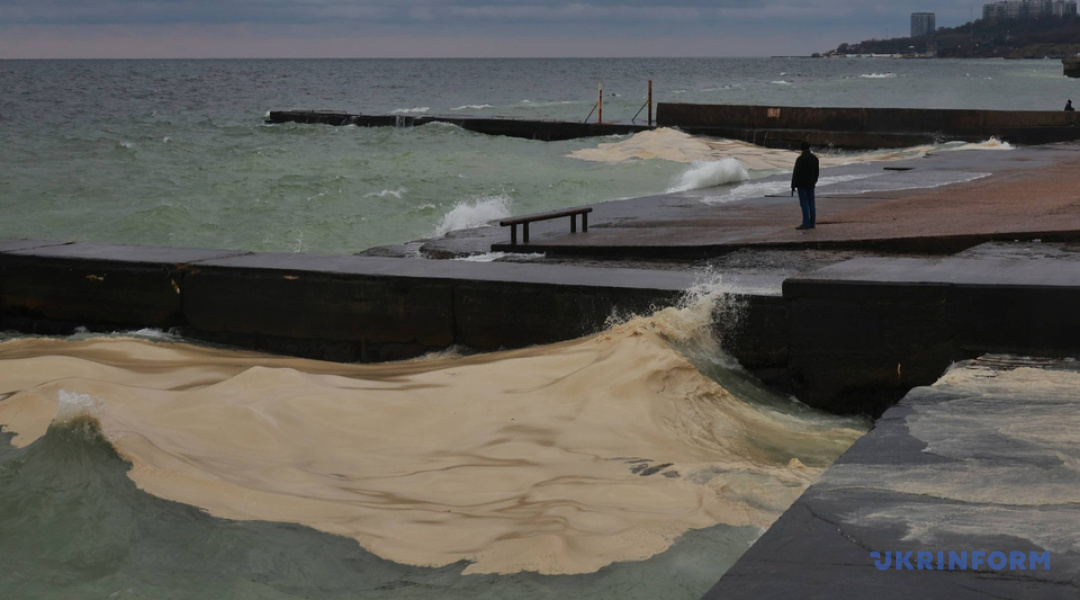
3. Capture: The research details a massive, state-level operation to steal Ukrainian grain. This “plunder” isn’t just theft; it’s a way to erase Ukraine’s economic independence while Russia uses the stolen grain to buy influence in other parts of the world.
4. Contamination: Perhaps the most insidious tactic is the poisoning of the land itself. The study notes incidents of chemical waste being dumped into rivers (such as the Seym River) and soil being saturated with heavy metals from shelling. This leaves the environment toxic long after the fighting stops.
Ecological feedback loop
The intersection of war and agriculture creates a terrifying ecological legacy. Depriving the country of the ability to ensure its food security leads to further environmental destruction.
This connection was starkly highlighted in the article “If not by sword, then by plowshare: the ecological impacts of a war-induced food crisis”. This report warns that the pressure to replace lost food supplies often leads to unsustainable farming practices elsewhere, deforestation, and a breakdown of environmental regulations.
Why this matters now
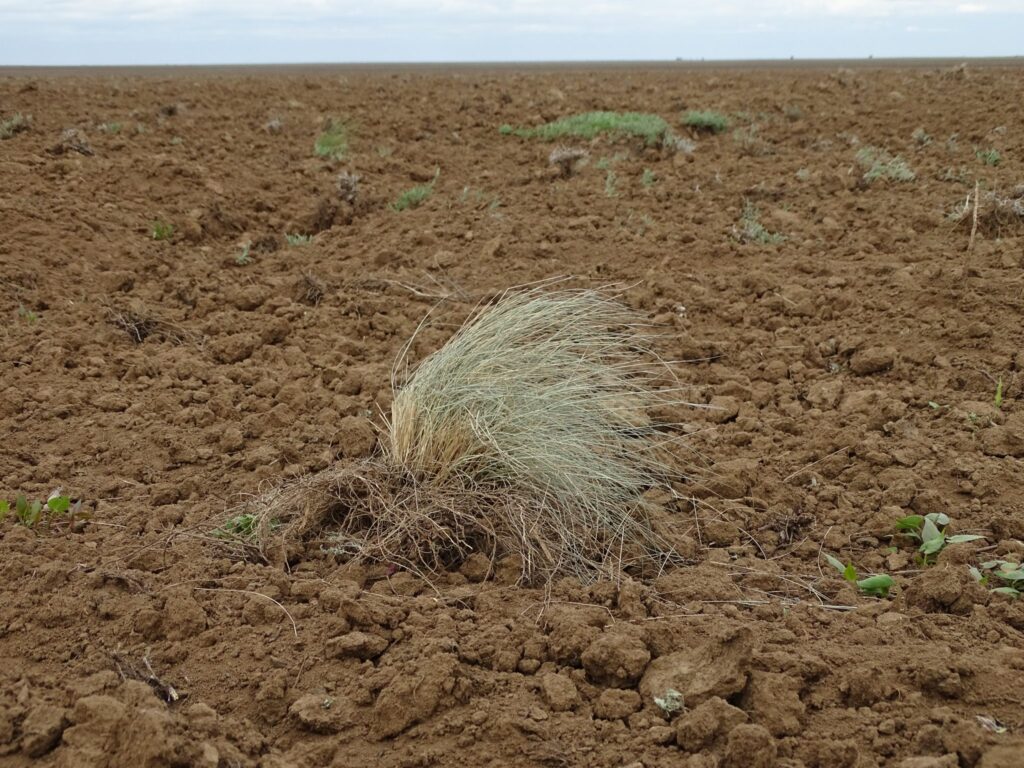
Papale and Castelli’s new research confirms what environmental watchdogs have feared: the environment is not just a victim of war, but a hostage. The use of the “Zemledelie” remote mine-laying system and the deliberate shelling of grain silos prove that for the Russian army the target is not just the opposing army, but the very soil that sustains life.
As the war drags on, understanding “food warfare” is essential. It reminds us that the recovery of Ukraine will not just require rebuilding cities, but demining fields, detoxifying soil, and restoring the “breadbasket of Europe” before the damage becomes irreversible.
Recent posts:
- Wild Victims of War—Paczoski’s knapweed (Centaurea paczoskii)
- Promises or commitments? Fifty shades of green at the Ukraine Recovery Conference 2026
- Environmental consequences of the war in Ukraine: July–August 2026 Review
- UWEC Work Group designated an “undesirable organization” in Russia
- Wild Victims of War. Great Crested Grebe (Podiceps cristatus)