
Full-scale war has significantly increased the ecological risks facing the Black Sea marine mammals. Today, three species inhabit the region: the bottlenose dolphin, the common dolphin, and the porpoise. As apex predators, they are particularly vulnerable to pollution and ecosystem changes.
Historically, these populations have already suffered from hunting, unsustainable coastal development and invasive species. However, the war has created new threats. In 2022, marine mammal mortality increased 2.2-fold compared to 2019–2021. A total of 914 deaths were recorded. Most of the deaths were porpoises, followed by common dolphins and bottlenose dolphins.
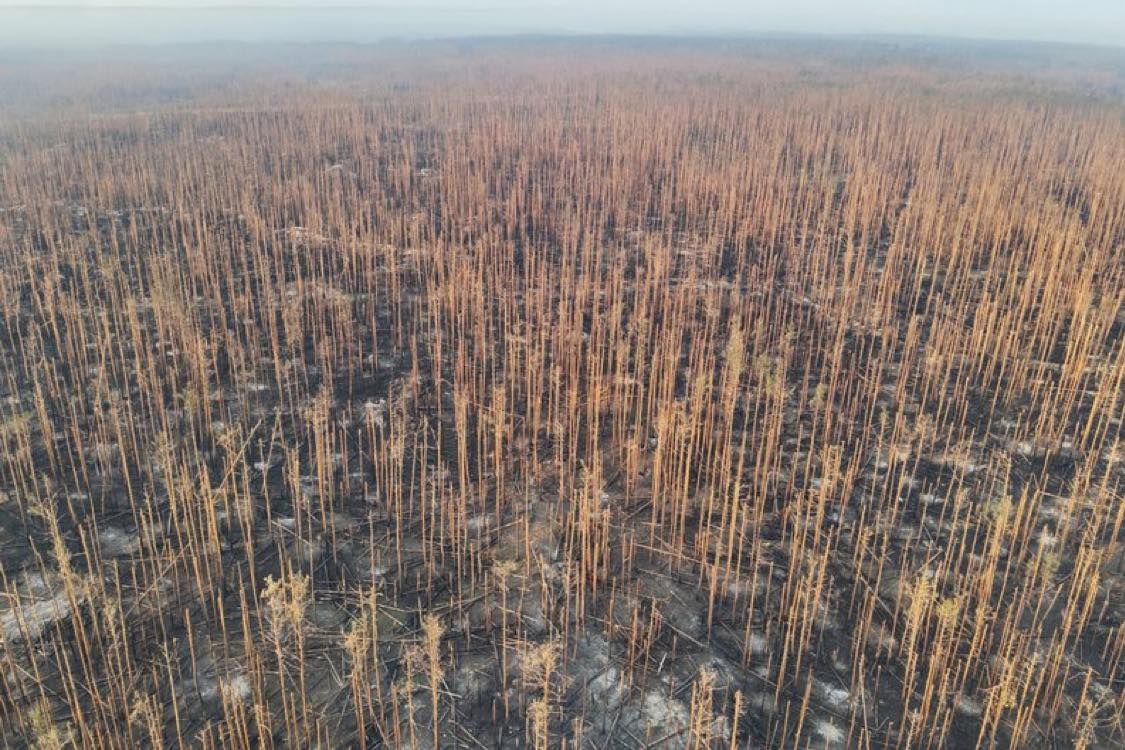
Key causes include the use of military sonar during Russia’s full-scale invasion, explosions and large-scale marine pollution. Additional damage to the ecosystem was caused by infrastructure destruction, including the siege of the Azovstal plant washing toxic chemicals into the Azov Sea in 2022. The Kakhovka disaster exacerbated pollution from toxic substances and heavy metals. Analysis of the fish that dolphins feed on showed levels of heavy metals and other pollutants exceeding safe health limits.
The war has also altered maritime logistics and resource use. The militarization of Crimea and the construction of the Kerch Bridge have disrupted the migration routes of the Black Sea marine mammals through the Kerch Strait. At the same time, Ukraine is making more active use of Danube ports, which requires dredging the riverbed and impacts the Danube delta ecosystem—a key biodiversity hotspot.
Changes have also occurred in fisheries. Russia and Ukraine have reduced their fish catches, while Turkey has increased its harvest. Entanglement in nets remains one of the main causes of dolphin deaths. As a result, many animals are moving northward in the sea, where there is less fishing but the military threats are greater.
Experts emphasize the need for investment in environmental monitoring of the Black Sea. Long-term research and the development of citizen monitoring will help create an effective plan for ecosystem restoration.