Polina Tsybulska
As war and climate change inflict damage on Ukraine’s environment, from polluting rivers and soils to destroying ecosystems, how could these threats be transformed into tools for resilience, diplomacy and recovery? And what could Ukraine learn from countries that have faced armed conflict, resource scarcity and extreme weather for decades?
Imagine the clean air we breathe every day, the water in the rivers where our children swim, and the fertile soils that feed generations. Now imagine all of this suddenly becoming toxic as a result of pollution, floods or fires, caused not only by climate change but also by human activity.
Environmental security is not some abstract theory lifted from scientific journals; it is our armor. It protects us from invisible enemies: the toxins in our water, the smog over our cities, the erosion of our land, and the disasters that are becoming increasingly severe as a result of climate change. At a time when Ukraine is fighting for its survival and freedom, this armor is becoming part of the country’s national security—because without a healthy environment, there is no healthy nation.
According to Ukrainian legislation (see the law “On the Protection of the Natural Environment,” Section XI, Article 50), environmental security is defined as a state of the natural environment in which deteriorating environmental conditions and the emergence of hazards to human health are prevented. In simple terms, it means that the state, businesses and citizens regulate their impact on nature to avoid a future in which they have to deal with toxic clouds or barren fields. So what are the dangers? They are very real and painful—air pollution from factory emissions; smoke from fires; chemical toxins from industrial accidents; and the destruction of ecosystems, particularly the drying up of rivers or death of forests. This is not simply a case of “the weather getting worse,” but a direct threat to our future. And if we factor in the significant impact of military action, the situation is only deteriorating.
Why has the war turned environmental security into a national defense frontline?
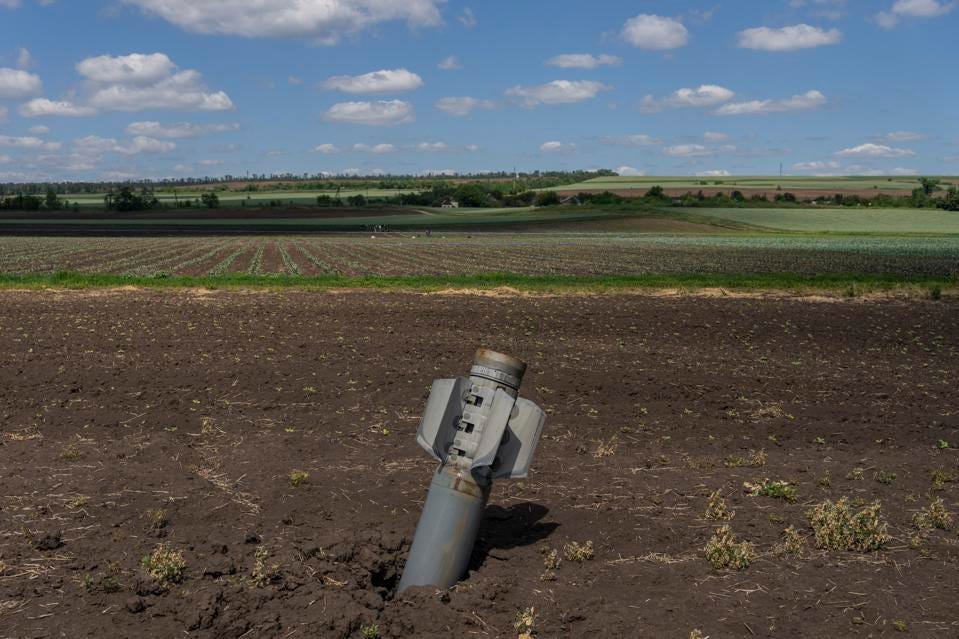
War is not just missiles and trenches; it’s also an invisible battle for land. Russia’s full-scale invasion of Ukraine has exacerbated environmental problems to the point where they have become a full-fledged threat to national security. First, the range of threats has grown significantly—explosions, fires and shelling have substantially increased and types of pollution become more varied. Second, new types of risk have emerged—from the mining of fields to the blowing up of dams over which control has been lost following the occupation of territory. And third, it affects the health of both military personnel and civilians, as well as food security. Many of the consequences have a cross-border character.
International law has long recognized the direct prohibition of warfare methods that inflict serious, wide-ranging and long-term damage to the natural environment. Article 35(3) of Additional Protocol I to the 1977 Geneva Conventions clearly outlaws the use of methods or means of warfare that are intended or likely to cause long-term damage to the natural environment. Article 55(1) underscores the obligation to protect the environment from such damage, since it can endanger population health or survival. Article 55(2) further prohibits attacks on the environment as a form of retaliatory action.
At the same time, Article 56 protects installations containing “dangerous forces” such as dams, levees and nuclear power plants from attack, if there is a risk this could result in catastrophic consequences (e.g., flooding or the spread of radiation) and severe casualties among the civilian population.
Certain international treaties, such as the 1972 Biological Weapons Convention and the 1993 Convention on Chemical Weapons, are even more stringent regarding the use of prohibited weapons of mass destruction. They outlaw all types of weapons that poison the environment for generations to come—from toxic gases to persistent soil pollutants. These rules form the basis of the International Criminal Court (ICC) in The Hague, which has been investigating crimes related to Russia’s invasion of Ukraine since 2014, with a particular focus on war crimes committed after 2022.
The ICC has already included environmental crimes in its investigation into the situation in Ukraine, in particular the destruction of the Kakhovka Hydropower Plant. However, as of December 2025 not a single indictment for ecocide had yet been filed; the collection and analysis of evidence is ongoing.
Although the ICC has not yet issued an arrest warrant specifically for environmental crimes, its jurisdiction (under the Rome Statute, Article 8(2)(b)(iv)) covers “widespread, long-term, and severe damage to the natural environment.” ICC Chief Prosecutor Karim Khan announced in 2024 his intention to pursue such cases more vigorously. Meanwhile, Ukrainian agencies such as the general prosecutor’s office had registered 246 cases of environmental war crimes (403 incidents) as of December 2024, 11 of which were qualified as ecocide (the mass destruction of flora, fauna or poisoning of water/air) under Article 441 of the Criminal Code of Ukraine. These national investigations could form the basis for establishing precedent-based accountability at the ICC.
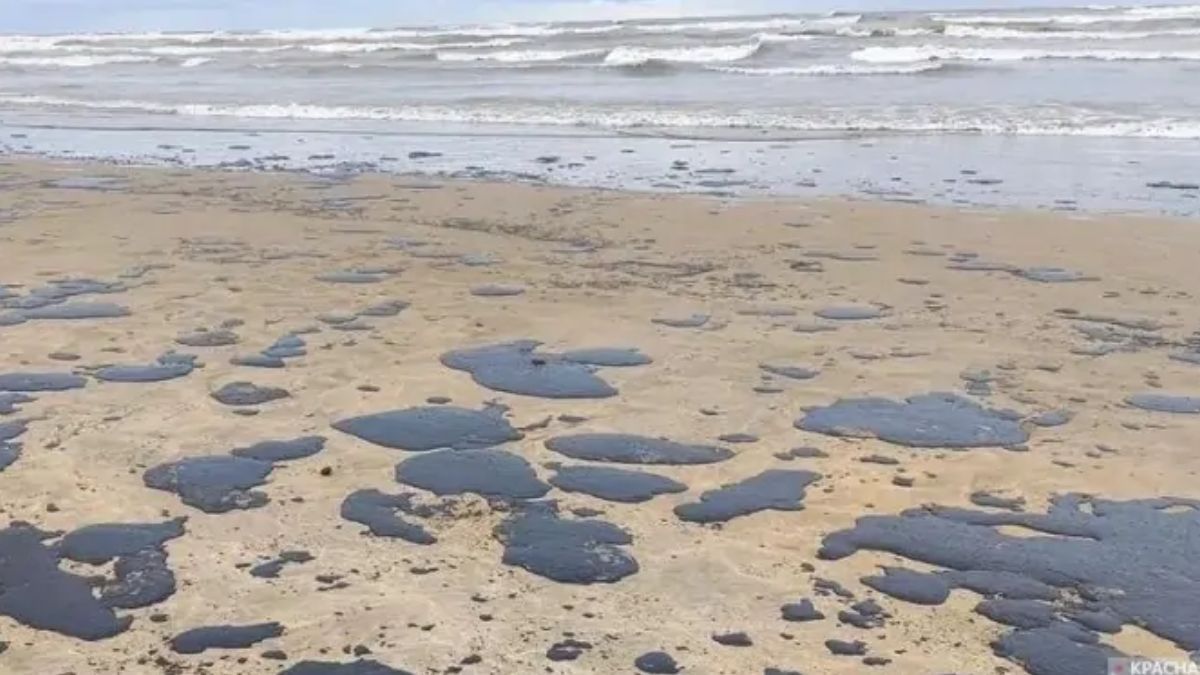
The scale of the environmental consequences of the Russian invasion is illustrated by specific examples: the destruction of the Kakhovka Dam in June 2023 and the subsequent flooding released over 600 tons of oil products, chemicals and municipal waste, pushing heavy metal levels in the Dnipro River to 100 times higher than normal and killing marine life in the Black Sea. A UNEP assessment has identified it as a costly catastrophe with potentially irreversible consequences. The economic damage is estimated at over 57 billion euros ($62.1 billion).
Another example is the numerous attacks (more than 70) carried out in 2022 on the Kharkiv Institute of Physics and Technology, where nuclear materials are stored. This could have resulted in a release of radiation, and three Russian commanders have been charged in absentia with ecocide.
There are other cases, too: the pollution of the Seim and Desna rivers with chemical waste since 2022 has led to massive die-offs of fish, including protected species, while fires and land mines destroyed 92,000 hectares of forest in 2024, threatening biodiversity and the health of local residents.
From toxic “time bombs” in the soil to shortages of drinking water for millions, these incidents not only destroy nature but also threaten its survival. Ukraine, having ratified the Rome Statute in October 2024 (it entered force in January 2025), is now setting a global precedent to ensure that environmental damage is not merely considered an “unfortunate consequence” of war, but is fairly compensated, including financially.
Read more:
- On the path to international recognition of ecocide
- Interview with Olena Kravchenko of NGO ‘Environment-People-Law’
The scale of military ecocide: from Kakhovka to transboundary poison
Since 2022, over 9,000 cases (as of July 2025) of environmental damage from military action have been recorded in Ukraine. These range from fires that have devastated over 800,000 hectares of land to greenhouse gas emissions and CO₂-equivalent toxins. The total cost of environmental damage from the war already amounts to €108 billion. These consequences also create long-term health risks: toxic substances such as lead, mercury and arsenic enter the food chain, threatening the ecosystems of the Black Sea and the Sea of Azov.
But this is not solely a problem for Ukraine: the long-term consequences have an impact well beyond its borders. These include the pollution of the Black Sea, which has already reached the shores of Romania and Turkey, air pollution, and contamination of groundwater. Dust from fires in Kherson settles in Moldova, while toxins from the destroyed Kakhovka reservoir settle in the Danube Delta and even on the beaches of the Sea of Marmara, and are also carried further into Europe via the food chain.
How Ukraine protects nature during war: progress and gaps
Key Ukrainian laws and initiatives, such as legislation on environmental protection and the Environmental Security and Climate Adaptation Strategy through 2030, integrate the environment into national security, emphasizing the importance of environmental monitoring and restoration. The National Security and Defense Council of Ukraine (NSDC) plays a key role in this. On March 23, 2021 it explicitly identified environmental threats as part of national security, emphasizing the importance of protecting the environment from anthropogenic risks and of priority measures—from strengthening monitoring to international assistance. Another resolution from 2022 focuses on forests—a strategic resource for security.
But there are also gaps. Chief among them is the absence of a clear mechanism for assessing damage during war. In many cases, peacetime methods are still used, ignoring explosions or occupation, leading to an underestimation of losses (over $56 billion as of 2023 alone; the current figure has almost doubled). This complicates obtaining reconstruction aid from international donors (such as the EU or the World Bank) and prosecuting those responsible at the ICC in The Hague, where since 2025 Ukraine has had the right to demand reparations from the aggressor for environmental war crimes.
Israel, Palestine and Lebanon: lessons in environmental security from the Middle East
For an example of a modern approach to environmental security, one can look to Israel, a country that has been walking a tightrope between armed conflict and severe climate challenges (drought, water shortages and increasing extreme weather conditions) for decades. Environmental security is deeply embedded in Tel Aviv’s national security strategy. Back in 2019, the country’s National Security Council (NSC) set up a dedicated department for climate change, which it saw as a threat multiplier—from the risk to water and food security to the potential escalation of border conflicts due to mass migration or competition for resources.
Israel’s 2025 National Adaptation Plan for Climate Change integrates environmental risks into defense policy. For example, it conducts assessments of the vulnerability of military infrastructure to floods and fires. The budget for sustainable solutions amounts to 650 million shekels (~$199 million or ~173 million euros), and climate threats are included in annual security reports. Powerful environmental monitoring plays a key role—from satellite systems and sensor networks for real-time tracking of pollution, pests and fires (with a budget of 250 million shekels, equivalent to approximately $76.5 million or 66.5 million euros) for agriculture to mobile technologies such as portable sensors for assessing air and water pollution during shelling or in conflict zones, allowing government to respond quickly in crisis situations.
Water technologies are Israel’s real success story. Seawater desalination provides around 85% of the country’s drinking water, while wastewater recycling reaches 90%, with plans to invest billions of dollars in highway renovation and river restoration in order to combat drought.
And diplomacy is turning the environment into a tool for peace. Through initiatives such as the N7 conference (a platform for discussion between Israel and Arab states), Tel Aviv is sharing water and agricultural technologies to reduce regional tensions over resources. Israel is an excellent example of how environmental security can become part of a national strategy in the context of persistent conflict and drought.
Neighboring countries such as Palestine and Lebanon face similar challenges as a result of Israeli military action, which has transformed nature into a “hidden front,” threatening not only ecosystems but also the stability of these states due to resource scarcity, declining public health and a food crisis.
In Palestine, the Israeli military offensive in Gaza has led to 97% of water supplies being contaminated with heavy metals, posing a threat to human health and food security. Five of six wastewater treatment plants have been damaged or destroyed, resulting in sewage discharges into the Mediterranean and soil being contaminated with pathogens, microplastics and heavy metals from munitions. Damaged solar panels, asbestos and medical waste also pose a threat.
In Lebanon, meanwhile, fires, toxic oil spills and asbestos contamination have destroyed thousands of hectares of forests. At least 195 cases of white phosphorus use in Israeli attacks have been identified, burning approximately 5 square kilometers of olive farms and meadows, generating toxic waste emissions and contaminating soils with phosphoric acid.
While environmental safety is a fundamental part of Palestinian and Lebanese law, Israel’s system is more structured. The Palestinian Basic Law (The Basic Law 2002, Article 33) defines environmental protection as a national duty to preserve public health and resources, linking environmental risks to public safety, while Environmental Law No. 7 (1999) regulates pollution as a threat to stability.
The Lebanese constitution contains no direct provisions on environmental safety or protection, focusing instead on the general principles of sovereignty and social justice. However, these norms are interpreted as the basis for environmental regulation in specific laws, such as Environmental Protection Law No. 444 (2002), which recognizes environmental pollution as a threat to public safety.
On the whole, environmental security in these countries is largely declarative, but it does offer a lesson for Ukraine: legislation can serve as a foundation for recovery if combined with international instruments.
All these examples highlight that if environmental security is not integrated into defense and diplomacy, war destroys not only buildings but also the foundations for survival—water, air, soil and biodiversity. For Ukraine, this is another lesson: it must set up an environmental monitoring system and make use of international instruments.
Israeli environmental security models, such as precision farming for sustainable harvests or integrating climate-related challenges into defense assessments, could serve as a model for Ukraine. They demonstrate how to turn environmental challenges into a strategic advantage, even amid the chaos of conflict, with an emphasis on international cooperation and the use of modern environmental monitoring technologies.
How to make the environment a national security shield
For nature to become a powerful shield for Ukrainian national security, all parties—from the government to ordinary citizens—must act together, taking war and climate issues into account. There are some simple steps to help achieve this.
First, environmental issues should be integrated with national security issues. For example, Ukraine’s National Security Strategy and the Environmental Security and Climate Adaptation Strategy through 2030 should be updated to ensure that pollution from shelling or drought is assigned the same threat profile as military attacks. Creating special groups within Ukraine’s National Security and Defense Council, where environmentalists, military personnel and specialists work together would facilitate a more rapid response to toxic spills or radiation, as well as the development of a clear plan for both the front and rear. Citizens can also help by documenting damage in their regions, as many volunteers already do.
Second, damage monitoring methods need to be updated to ensure they are also suitable for wartime situations. Existing approaches are “peacetime methods”—they don’t take mines or explosions into account, so such damage remains unassessed. This requires the introduction of modern tools: drones equipped with cameras for detecting pollution, satellites (like the European Union’s Copernicus system) for monitoring forests and rivers, or AI for analyzing toxin data.
In the wake of the destruction of the Kakhovka Hydropower Plant, for example, satellites showed turbidity covering 35,000 square kilometers of the Black Sea, but Ukraine lacks its own research capacities of this kind. To increase publicity and make information more accessible, Kyiv should engage civil society organizations (such as Ecoaction or Environment People Law) and international experts. An open-source damage database (available to everyone, from citizens to judges in The Hague) would facilitate the transparency of the entire process.
Third, it is crucial not only to document the damage caused by the war but also to hold the aggressor accountable by making active use of international instruments. However, certain circumstances complicate the matter. In July 2023, for example, Russia pulled out of the Ramsar Convention on Wetlands of International Importance—a withdrawal from its obligations that demonstrates why relying on one agreement alone is inappropriate.
Read more:
Fortunately, solid instruments already exist and are in effect, removing the need for new ratifications. The most important is the Rome Statute of the International Criminal Court (Article 8(2)(b)(iv)), which recognizes “widespread, long-term, and severe” environmental damage as a war crime if it exceeds what is perceived to be reasonable military necessity.
Another is Additional Protocol I to the Geneva Conventions (Articles 35(3) and 55), which prohibits methods of warfare that cause serious and widespread damage to nature and requires signatories to protect the environment from damage that threatens public health.
These norms are part of customary international law, so Russia cannot withdraw from them, and they can be used in the ICC.
But to achieve full force, a further step is needed—ecocide must be recognized as a distinct, fifth crime against peace in the Rome Statute, alongside genocide, crimes of aggression, crimes against humanity and war crimes. This would make punishment more targeted and allow for culprits to be prosecuted for the mass destruction of ecosystems. A corresponding campaign has been ongoing since 2021 (Stop Ecocide International) and Ukraine actively supports it. Ukrainian diplomats and experts have promoted the idea of recognizing ecocide at international conferences such as the United Justice event in Lviv in March 2023 and at the 22nd Assembly of States Parties of the ICC in December of the same year. Recognizing ecocide will allow international lawyers to place additional pressure on companies that put short-term interests above the Earth’s interests, and Ukraine can become a leader in this movement by offering its own evidence.
Ukraine has already taken several important steps toward integrating environmental security into its national strategy, chiefly by adopting the Strategy for Environmental Security and Adaptation to Climate Change through 2030. In February 2025, it approved an operational plan for the strategy’s implementation for 2025-2027, taking into account military challenges and climate-related threats. This creates a solid documentary foundation where environmental risks are recognized as part of the country’s overall security.
Ahead lies the practical implementation: modernizing the environmental monitoring system, actively using international mechanisms to hold those responsible accountable and restore ecosystems, and the daily involvement of everyone—from recording environmental damage to taking care of nature.
Translated by Alastair Gill
Main image source: Razom for Ukraine