
Ukraine can make nature a key pillar of national security through coordinated action by the state and society.
Environmental risks must be integrated into national security strategies and treated on par with military threats. Creating multi-lateral expert teams within the National Security and Defense Councils would allow for rapid responses to environmental pollution and ecological disasters. Citizens can support these efforts by documenting environmental damage at the local level.
Monitoring methods must be adapted to wartime conditions. Existing peacetime tools do not account for mines and exploded munitions, leaving significant damage unassessed. Modern technologies should also be used, including drones, satellites and artificial intelligence–based pollution analysis systems. Public access databases on environmental damage would increase transparency and support international legal proceedings and claims for recovery.
International legal mechanisms already exist to prosecute environmental war crimes. The Rome Statute and the Geneva Conventions prohibit inflicting severe and long-term environmental damage during armed conflicts. These regulations are binding under international law and cannot be revoked.
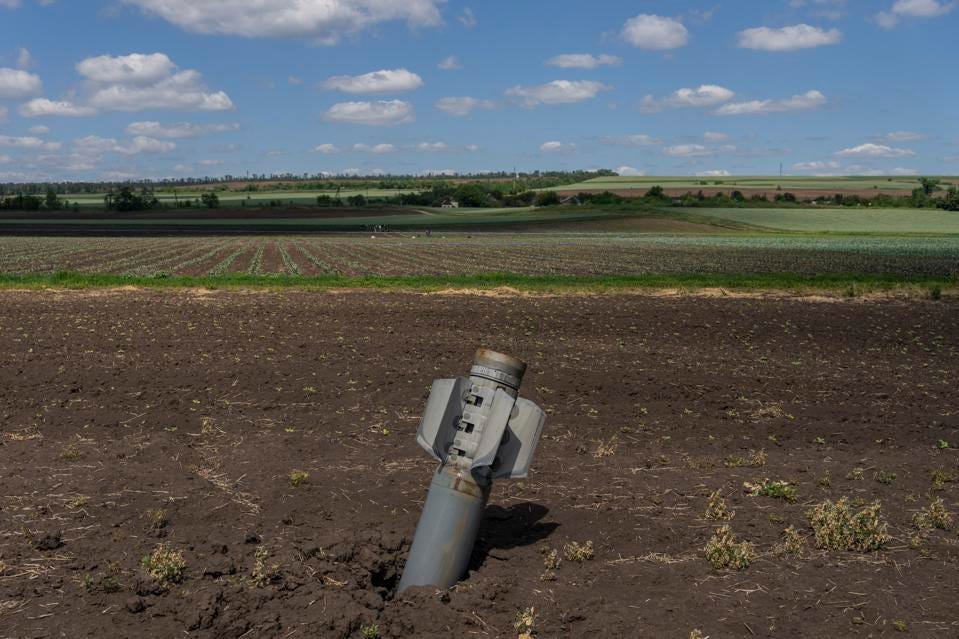
Recognizing ecocide as a separate international crime would strengthen accountability and apply pressure to corporations and aggressor states. Ukraine is already promoting this initiative globally and domestically, ecocide is recognized as a criminal offense.
Ukraine has adopted the Environmental Security and Climate Adaptation Strategy through 2030 and the 2025–2027 implementation plan. The next step is practical implementation: modern monitoring, legal action, ecosystem restoration, and public participation.