Skip to content
  • EN
  • UA
  • RU
Ukraine War Environmental Consequences Work Group

Ukraine War Environmental Consequences Work Group

Seeking solutions through information sharing about the environmental impacts of the war. UWEC Work Group.

  • Home
  • About UWEC
  • Issues
    • Issue #34
    • Issue #33
    • Issue #32
    • Issue #31
    • Issues 21-30
      • Issue #30
      • Issue #29
      • Issue #28
      • Issue #27
      • Issue #26
      • Issue #25
      • Issue #24
      • Issue #23
      • Issue #22
      • Issue #21
    • Issues 11-20
      • Issue #20
      • Issue #19
      • Issue #18
      • Issue #17
      • Issue #16
      • Issue #15
      • Issue #14
      • Issue #13
      • Issue #12
      • Issue #11
    • Issues 1-10
      • Issue #10
      • Issue #9
      • Issue #8
      • Issue #7
      • Issue #6
      • Issue #5
      • Issue #4
      • Issue #3
      • Issue #2
      • Issue #1
  • Highlights
  • Contacts
  • Resources
    • Webinars
  • Toggle search form

Environmental security in the Middle East: lessons from Israel, Palestine, and Lebanon

Posted on February 4, 2026March 12, 2026 By Editor No Comments on Environmental security in the Middle East: lessons from Israel, Palestine, and Lebanon

Israel demonstrates how environmental security can be integrated into national defense and diplomacy. Climate risks are treated as threat multipliers affecting water, food, migration and regional stability. Israel’s National Adaptation Plan incorporates climate risks into defense assessments and allocates significant funding for monitoring and the development of resilient infrastructure.

Advanced environmental monitoring relies on satellite data, sensors and mobile technologies to track pollution, fires and ecological threats in real time. Water security is a strategic priority: desalination supplies about 85% of drinking water, and wastewater recycling reaches 90%. Environmental diplomacy, including regional technology-sharing platforms, seeks to reduce the likelihood of resource-related conflicts.

Israel’s model shows how climate adaptation, defense planning, and environmental diplomacy can work together to strengthen national resilience.
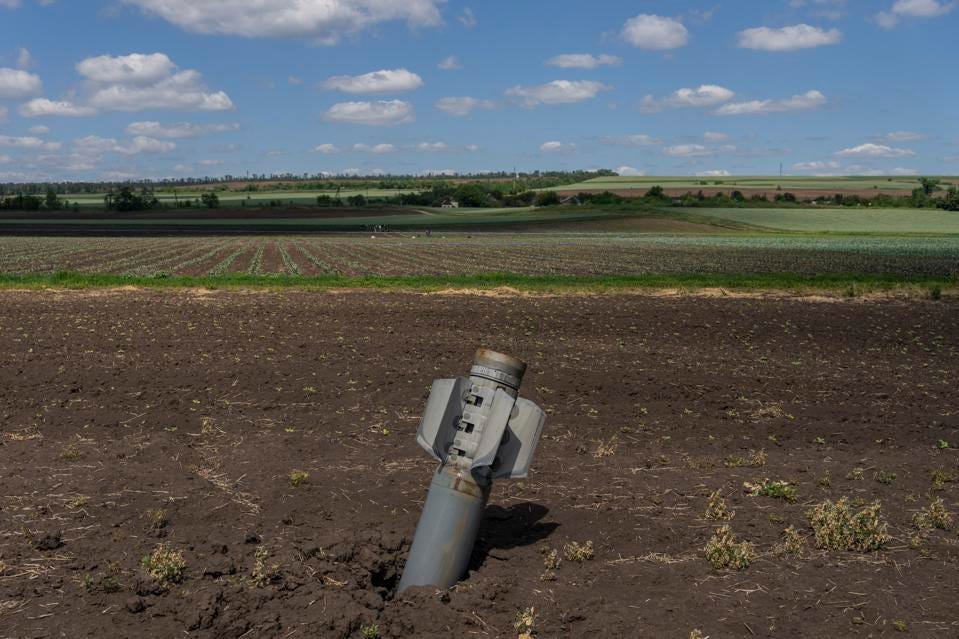
environmental security in Ukraine

Environmental security: a key element of Ukraine’s national policy

At the same time, Palestine and Lebanon contend with severe environmental damage caused by military operations. In Gaza, water contamination, destroyed treatment facilities and toxic debris threaten public health and food security. In Lebanon, fires, oil spills, asbestos and contamination by white phosphorus have damaged ecosystems and agricultural land.

While legal frameworks exist, their implementation is weak. Palestinian and Lebanese legislation recognizes environmental protection as a matter of public safety, but enforcement and institutional capacity remain limited. The Middle Eastern example shows that declarative laws are insufficient without monitoring systems, funding and integration into security policy.

Support UWEC Work Group

For Ukraine, these lessons highlight the need to integrate environmental security into defense, diplomacy and recovery strategies. Israeli practices relating to climate risk assessment for defense, precision agriculture, and environmental monitoring technologies provide scalable models for resilience during war and the post-war period.

Recent posts:

  • Underwater migrants: the invasive species upsetting ecosystems in Ukraine’s Black Sea waters
  • The Zone and the war: the new tragedy of Chornobyl
  • Environmental consequences of the war in Ukraine: Dec 2025 – February 2026 review
  • How new technology is helping make Ukraine’s demining process greener
  • Building Back Business as usual: Can the Rapid Damage and Needs Assessment provide strategic planning support for green rebuilding of Ukraine?
Highlights

Related Posts

  • Russia establishes “Velykyi Luh” National Park in occupied Zaporizhzhia Highlights
  • Ukraine at the IUCN-2025 Congress: war as a threat to biodiversity Highlights
  • Militarization of the Zaporizhzhia Nuclear Power Plant increases risks to nuclear safety Highlights
  • “Combat mosquitoes” in reverse: Russia creates cyber-pigeons and dreams of “reprogramming” Ukrainians Highlights
  • Fiber-optic drone pollution in Ukraine: environmental risks and scientific uncertainty Highlights
  • Wetlands as natural defense: how the Irpin wetlands stopped Russian tanks Highlights

Leave a Reply Cancel reply

Your email address will not be published. Required fields are marked *

  • Twitter
  • Facebook
  • YouTube
  • Telegram
  • Bluesky
Support Us

Topics

  • Civil society (36)
  • Climate Crisis (11)
  • Crisis & Cooperation (50)
  • Direct Impact (57)
  • Ecosystems (66)
  • Environmental Policy (83)
  • Green Recovery (43)
  • Highlights (31)
  • Issues (1)
  • Sanctions (12)
  • Uncategorized (8)
  • Webinars (11)

Sign-up for Our Issues:

Copyright © 2022-2025 Ukraine War Environmental Consequences Working Group.

Powered by PressBook News WordPress theme