Alexei Ovchinnikov
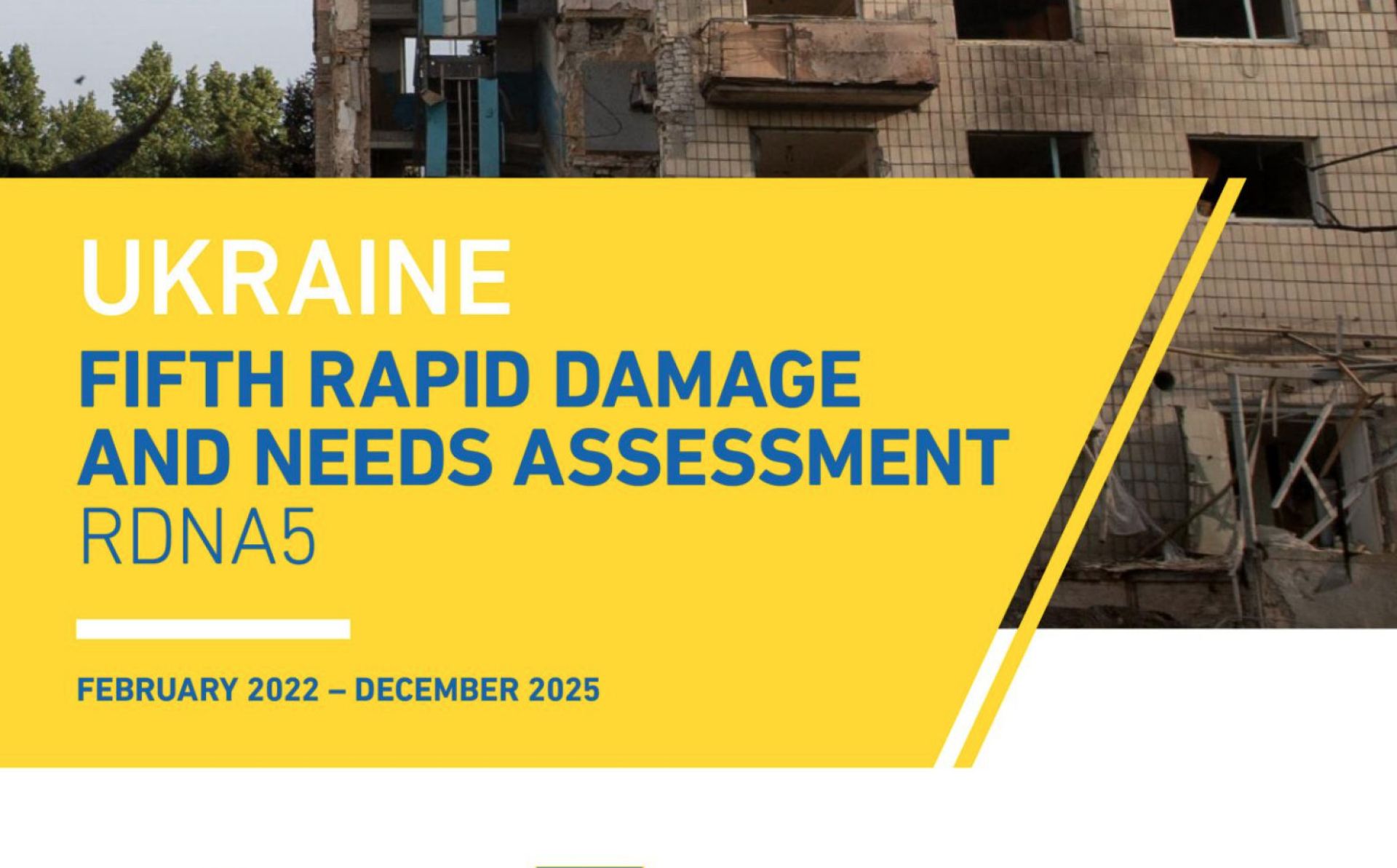
Read More “Environmental consequences of the war in Ukraine: Dec 2025 – February 2026 review” »

Ukraine War Environmental Consequences Work Group
Seeking solutions through information sharing about the environmental impacts of the war. UWEC Work Group.
Yelizaveta Temchenko
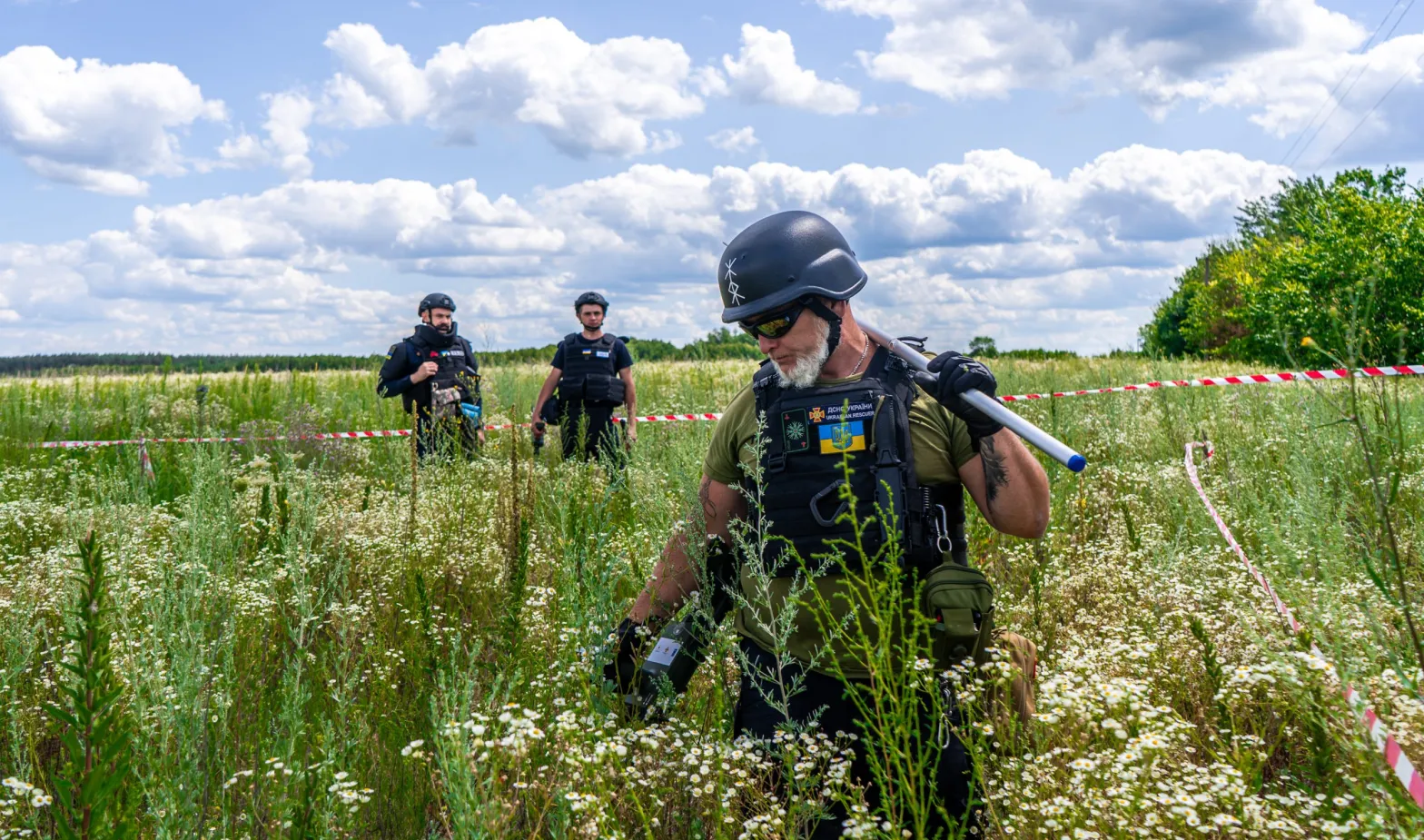
Read More “How new technology is helping make Ukraine’s demining process greener” »
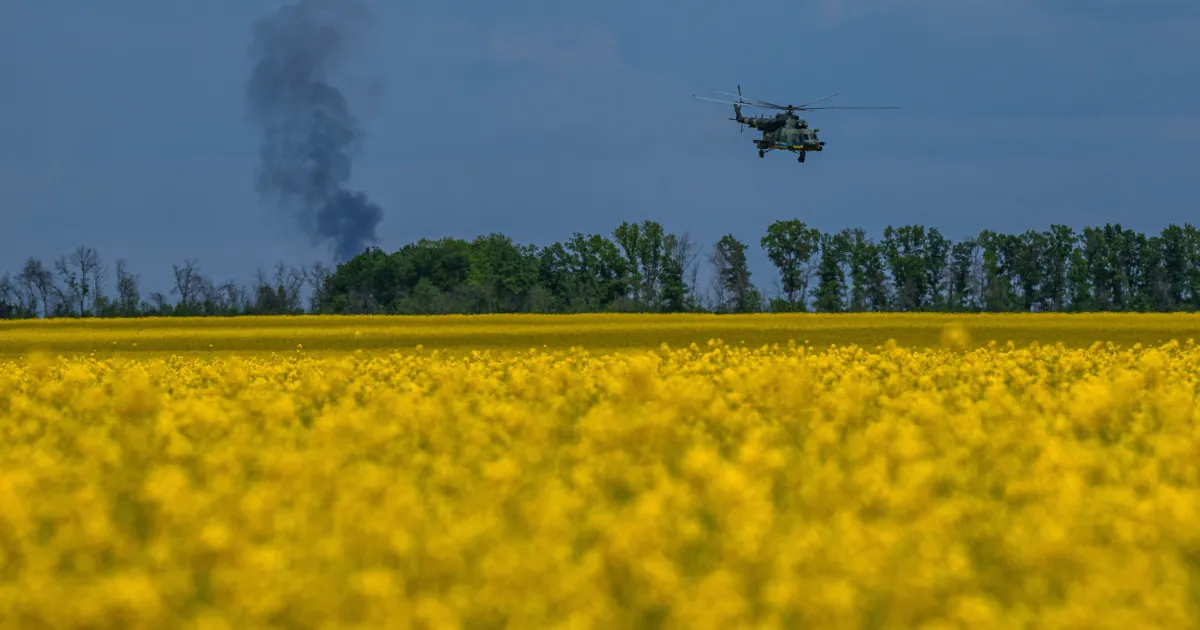
When we visualize the war in Ukraine, the images that usually come to mind are kinetic: tanks rolling across plains, missile strikes on apartment blocks, and drone warfare in the skies. However, a new academic study published in International Affairs reveals a quieter, yet equally deadly front line: the problem of food safety and the…
The war in Ukraine has opened a new and alarming chapter in the history of modern conflicts, where natural resources have ceased to be merely the backdrop of hostilities and have become direct participants in the tragedy. A new study by scholars from the Netherlands, the United States, and Iran convincingly shows how hydropolitics –…
In early March 2026, apocalyptic scenes unfolded in Tehran, Iran. Following intense airstrikes on Iranian oil refineries and fuel depots, the capital was shrouded in thick, toxic smog. When soot, sulfur compounds and heavy metals released into the air by the fires entered the cyclone’s path, “black acid rain” fell on the city. Local residents…
Martin Vrba, Marta Abbá
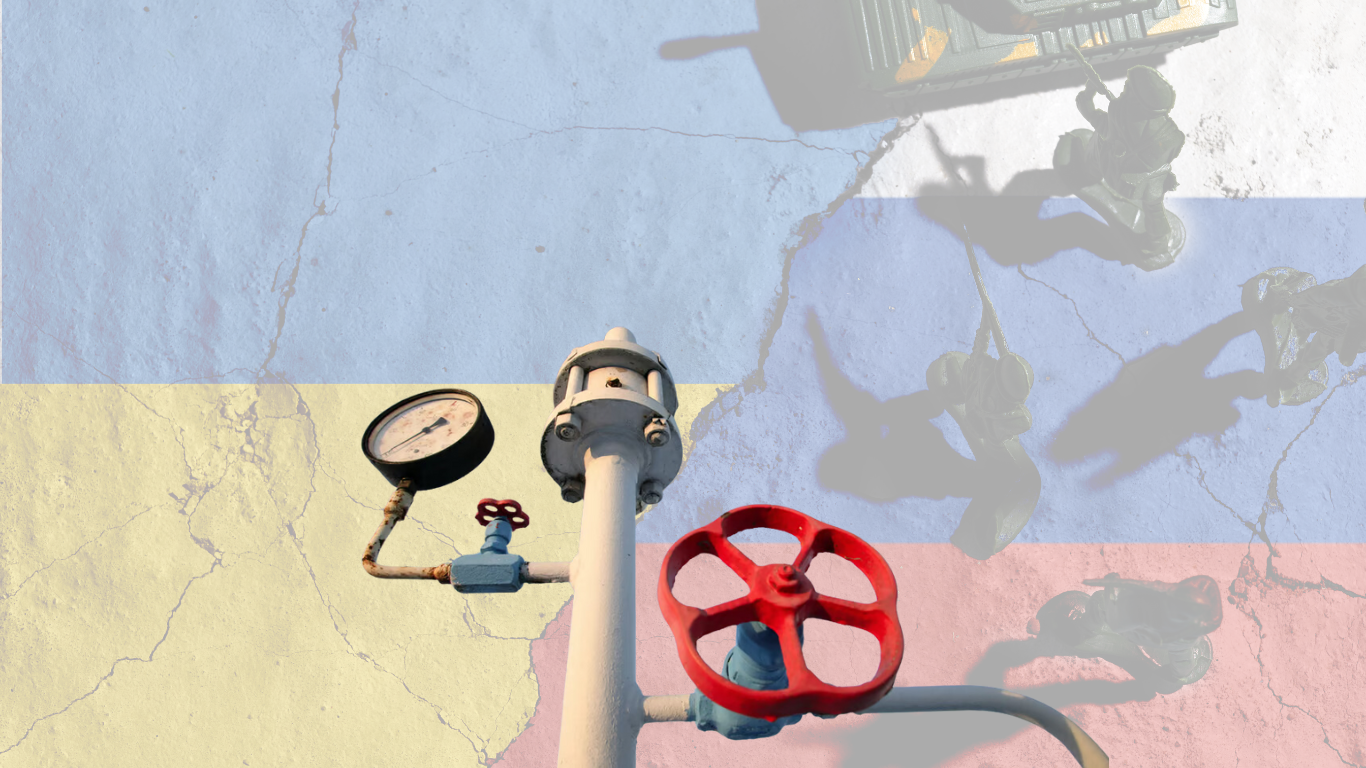
Read More “LNG dependency poses a risk to Europe’s climate ambitions” »
We have already covered how, since the start of the full-scale invasion, Russian propaganda has tried to frighten the world with stories about “American biolabs” in Ukraine. From UN podiums and television screens, Russian officials seriously spoke about infected birds, “ethnically targeted” pathogens, and even combat mosquitoes allegedly aimed at Russians. At the time, these…
Ukraine’s wetlands are critical for biodiversity, water security and climate regulation. Globally, peatlands store over 600 gigatons of carbon and absorb 0.37 gigatons of CO₂ annually, according to the International Union for Conservation of Nature. Although Ukraine has a modest share of wetlands, its peatlands remain strategically important. Some areas are protected within the Emerald…
Read More “Ukraine’s peatlands and wetlands: climate value, legal gaps and restoration urgency” »