Oleksii Vasyliuk, Eugene Simonov
Read More “Russia’s attacks on vegetable oil facilities open a new front in its war on Ukraine” »

Ukraine War Environmental Consequences Work Group
Seeking solutions through information sharing about the environmental impacts of the war. UWEC Work Group.
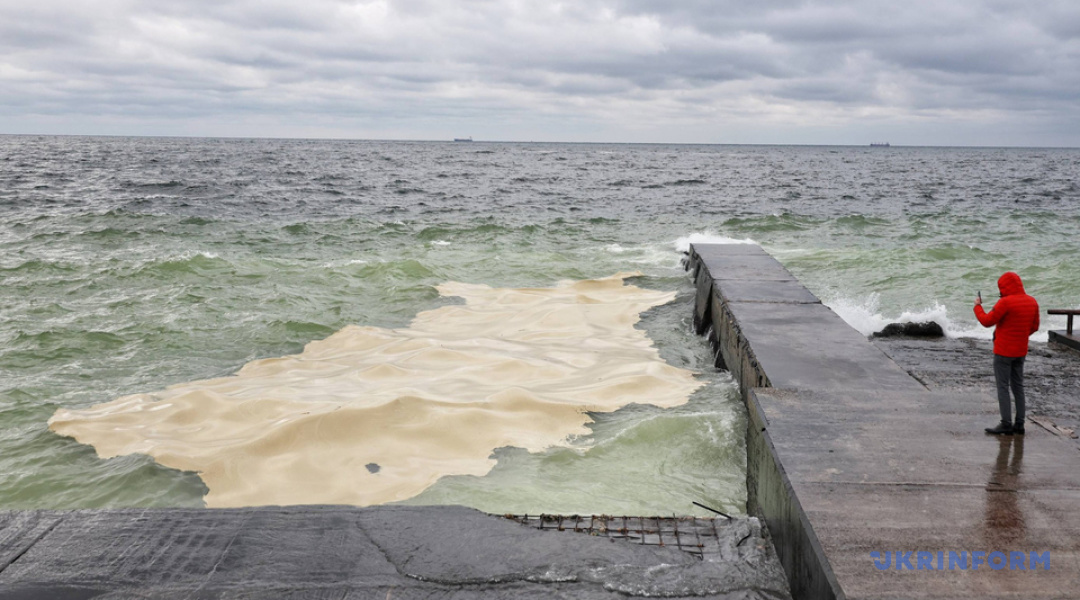
After the December 2025 strike on Pivdennyi port, authorities failed to promptly seal the Small Adzhalyk Estuary. The sunflower oil spill spread 55 km along the Odesa coast, covering 130 km² and contaminating beaches. Hundreds of oil-coated birds were rescued, while dead wildlife later appeared as far as Tuzly Lagoons. Experts warned that early containment…
Read More “Odesa oil spill: delayed response, ecological damage and wildlife crisis” »
Ukraine’s Polissia wetlands could have played an even greater defensive role in 2022. Decades of Soviet land reclamation drastically shrank wetlands. The 1948 Stalinist transformation plan ordered drainage of 1.9 million hectares in Ukraine. Large-scale projects straightened rivers, destroyed floodplains and drained peat bogs. In 1959, Moscow approved land reclamation of five million hectares of…
Read More “Wetland reclamation in Ukraine: how drained swamps weakened natural defense” »
Vegetable oil spills in marine and freshwater bodies can cause severe ecological damage. Studies show they trigger organism mortality, population shifts, and dominance of more resistant species. Unlike crude oil, vegetable oils biodegrade relatively quickly through bacterial decomposition. However, rapid degradation sharply increases biological oxygen demand, causing oxygen depletion and fish kills. In enclosed waters…
Russia’s attacks on oil terminals in Odesa, Chornomorsk, Mykolaiv and Dnipro caused massive sunflower oil spills into estuaries and the Dnipro River. Ukraine exports 5–6 million tons annually, so targeting storage facilities weakens both economy and environment. Russian attacks on vegetable oil facilities open a new front in its war on Ukraine Unlike crude oil,…
Read More “Russia’s strikes on Ukraine’s oil terminals trigger large-scale vegetable oil spills” »
Oleksii Vasyliuk, Eugene Simonov
Read More “Russia’s attacks on vegetable oil facilities open a new front in its war on Ukraine” »
After hostilities end, Ukraine will prioritize demining, not fiber-optic cleanup. So far, ordnance units report no confirmed interference from fiber-optic cables, leaving the demining impact unresolved. Scientific research on fiber-optic pollution is still at an early stage. Experts agree that long-term monitoring is essential to assess real environmental consequences. The main concern is microplastic formation…
Read More “Fiber-optic drone waste in Ukraine: environmental impact and post-war risks” »
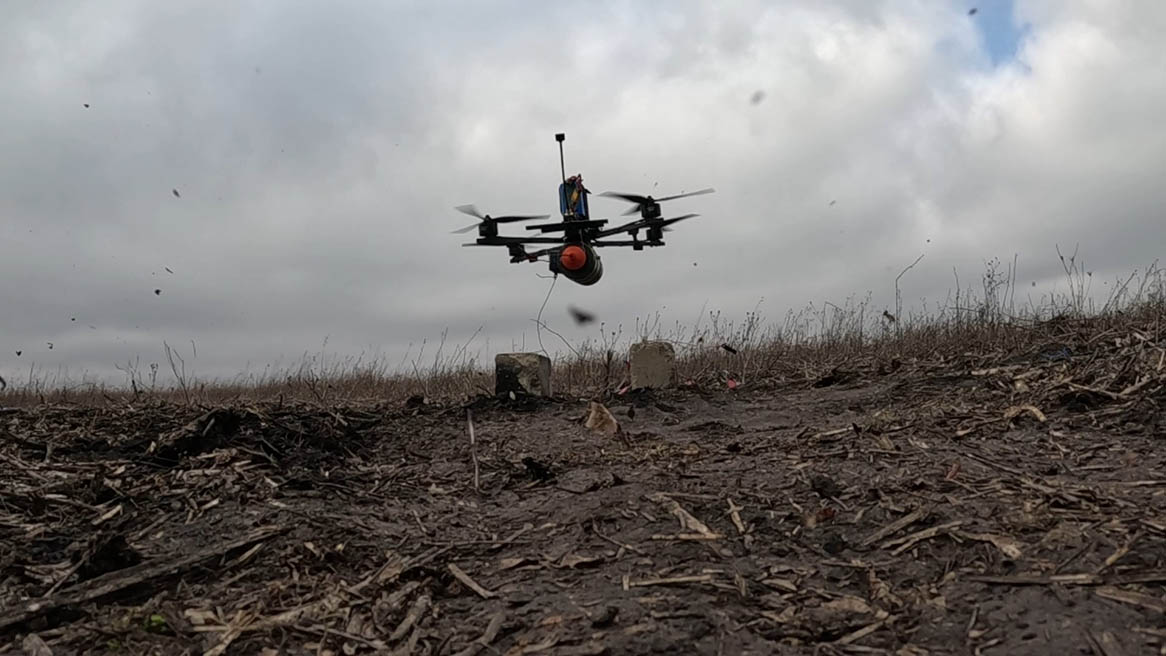
First-person-view (FPV) drones leave long fiber-optic threads across frontline fields, forming visible webs on soil and vegetation. Research on their environmental impact is just beginning, and long-term effects on soil, plants and wildlife remain unclear. Fiber-optic cables are made mainly from PMMA plastic, which degrades into micro- and nanoplastics over time. Studies suggest these particles…
Read More “Fiber-optic drone pollution in Ukraine: environmental risks and scientific uncertainty” »
Fiber-optic drones have recently appeared on the frontlines of Russia’s war against Ukraine. These UAVs deploy thin optical cables that remain in forests, fields, and soil, forming large debris networks with unknown ecological impacts. The war is often described as a “drone war,” with both sides using UAVs to strike targets remotely and reduce human…
Read More “Fiber-optic drones in Ukraine: military advantage and emerging environmental risks” »
Ukraine can make nature a key pillar of national security through coordinated action by the state and society. Environmental risks must be integrated into national security strategies and treated on par with military threats. Creating multi-lateral expert teams within the National Security and Defense Councils would allow for rapid responses to environmental pollution and ecological…
Read More “How Ukraine can integrate environmental security into its national defense strategy” »