
The war in Ukraine has opened a new and alarming chapter in the history of modern conflicts, where natural resources have ceased to be merely the backdrop of hostilities and have become direct participants in the tragedy. A new study by scholars from the Netherlands, the United States, and Iran convincingly shows how hydropolitics – control over water resources – has become one of the key drivers of the Russian-Ukrainian confrontation. The Dnipro River, which historically united the region, has now become a line of rupture that researchers call a “liquid iron curtain.”
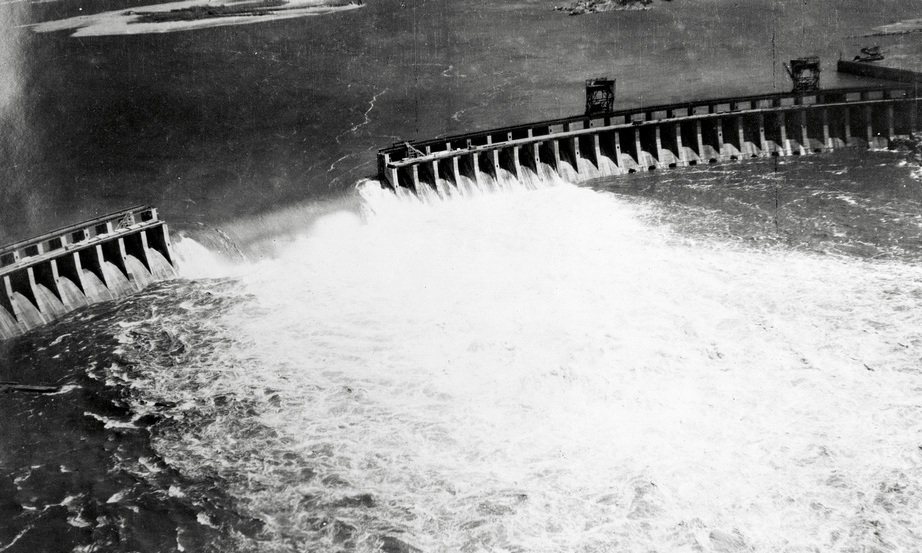
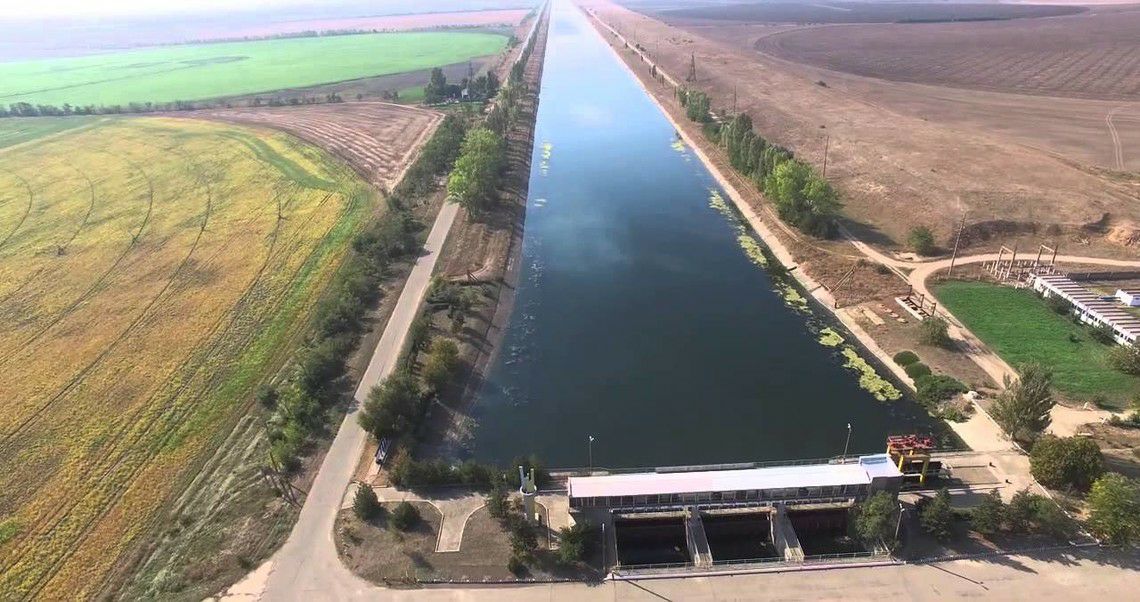
For Russian leadership, control over the Dnipro carries deep symbolic meaning, rooted in the perception of the river as a “sacred baptismal font.” This metaphysical idea collides with the hard reality of Ukrainian sovereignty, for which water resources are a matter of national security and physical survival. The most striking example of this clash is the fate of the North Crimean Canal. After the annexation of the peninsula in 2014, Ukraine blocked the water supply, which led to the collapse of agriculture in Crimea: the area of irrigated land fell catastrophically – from 130,000 hectares to just 14,000.
Researchers draw troubling parallels between the situation on the Dnipro and other well known water conflicts. The authors compare the impact of shutting off the North Crimean Canal with the consequences of diverting waters from the Ganges, a move which severely damaged agriculture in Bangladesh. Moreover, Russia’s current strategy of using water control to pressure its opponent is described as “negative hydro-hegemony.” Scholars see similarities with the situation in the Gaza Strip and Israel’s actions, as well as with tensions in the Nile basin between Ethiopia and Egypt. In all these cases, as in Ukraine, the dominant side uses water infrastructure as a lever of military and political pressure while ignoring humanitarian consequences.
During the war, water has been used both as a shield and as a sword. At the beginning of the full-scale invasion, Ukrainian forces applied the tactic of “defensive flooding,” breaching a dam on the Irpin River. This created impassable marshland that helped save Kyiv from encirclement, though at the cost of flooding their own villages. Russia, meanwhile, used the tactic of “offensive water use,” destroying dams and shelling water supply systems in Mariupol and Mykolaiv. The culmination of this escalation was the destruction of the Kakhovka Hydroelectric Power Plant in June 2023. This act not only caused massive flooding and a humanitarian disaster, but also led to long term poisoning of the ecosystem with chemicals and fuel washed out of industrial zones by turbulent flows down the Lower Dnipro. The destruction of the Kakhovka dam deprived vast territories in southern Ukraine of water, putting the region’s food security at risk. More than 6 million people in Ukraine today face difficulties accessing drinking water.

The authors pay special attention to the issue of restoring the Dnipro ecosystem. By this, researchers mean not only mitigating the riverbed or restoring fish populations, but above all rebuilding governance institutions. Scholars emphasize that without creating reliable interstate agreements on water use that balance political realities with humanitarian needs, the physical restoration of nature is doomed to fail.
The study concludes that long term peace in Eastern Europe will depend not only on drawing lines of separation on land, but also on the ability of former enemies to agree on rules governing water resources. For now, the Dnipro remains a hostage of geopolitics, while millions of people continue to struggle with access to a basic human right – clean water.