
Wetlands provide a variety of services: support biodiversity, regulate waterflow, and help to mitigate climatic impacts. They store carbon, recharge groundwater and reduce flood risks. The Ramsar Convention on Wetlands and EU environmental frameworks recognize their critical ecosystem services.
The war has reshaped defense thinking in Europe. Latvia now restores peatlands as natural military barriers. Similar initiatives are under discussion in Poland, Finland and Estonia.
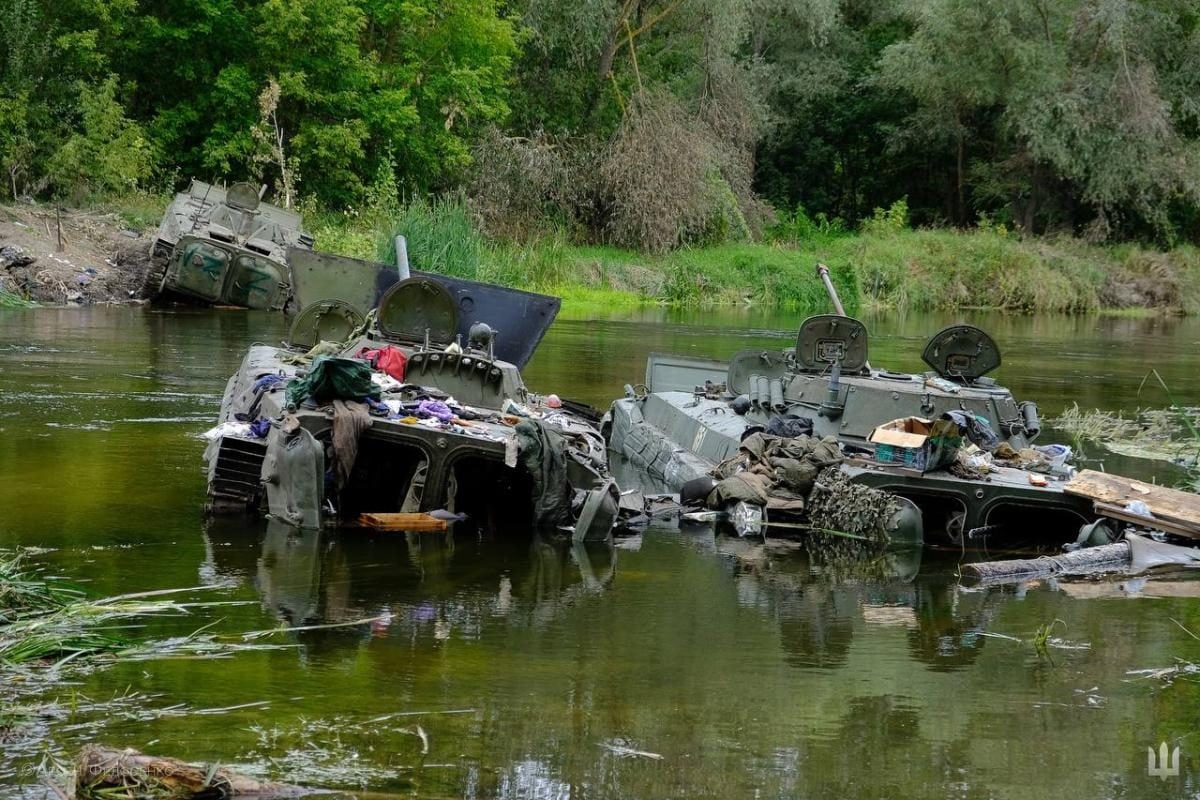
On February 25, 2022, Ukraine destroyed bridges and a dam on the Irpin River to halt Russian forces advancing on Kyiv. Floodwaters covered roads and fields, trapping armored vehicles in saturated soil. The wider wetlands of Ukrainian Polissia limited military maneuvering in Kyiv, Chernihiv, Sumy and Zhytomyr regions. Russian columns were forced onto narrow highways, leaving them vulnerable to ambush.
The Irpin case reveals a critical lesson. Decades of drainage and river straightening weakened its natural defenses. After the dam was destroyed, water from the Kyiv Reservoir reflooded the floodplain. The land reverted to marsh, blocking crossings and immobilizing heavy equipment.
Wetlands function as strategic terrain because saturated peat soils cannot support heavy loads. Even engineered drainage cannot permanently alter deep hydrological memory. Restoring degraded peatlands strengthens climate resilience and national security simultaneously.
Ukraine’s experience shows that wetland restoration is not only an aspect of environmental policy. It is critical long-term infrastructure for ecological stability and territorial defense.
Recent posts:
- Wild Victims of War—Paczoski’s knapweed (Centaurea paczoskii)
- Promises or commitments? Fifty shades of green at the Ukraine Recovery Conference 2026
- Environmental consequences of the war in Ukraine: July–August 2026 Review
- UWEC Work Group designated an “undesirable organization” in Russia
- Wild Victims of War. Great Crested Grebe (Podiceps cristatus)