
While the country’s eastern regions now under Russian occupation are primarily industrial areas, the southern expanse of Crimea and Kherson has historically been central to agriculture, botany and biodiversity.
Although Ukraine covers less than 6% of Europe’s landmass, it is home to about 35% of the continent’s biodiversity. Many of the country’s rare and endemic species are located in the steppe zone and along Crimea’s coasts and mountains.
“This territory that is taken, it’s almost 40% of all the agricultural land of Ukraine,” says Oleksii Vasyliuk, a zoologist and member of the UWEC Work Group. He adds that the country’s largest national parks and reserves, including one of the world’s oldest steppe reserves, Askania-Nova, are primarily in that zone and have fallen under occupation. “This territory will be inaccessible to us for many decades, or maybe even centuries” because it has been heavily mined, he says.
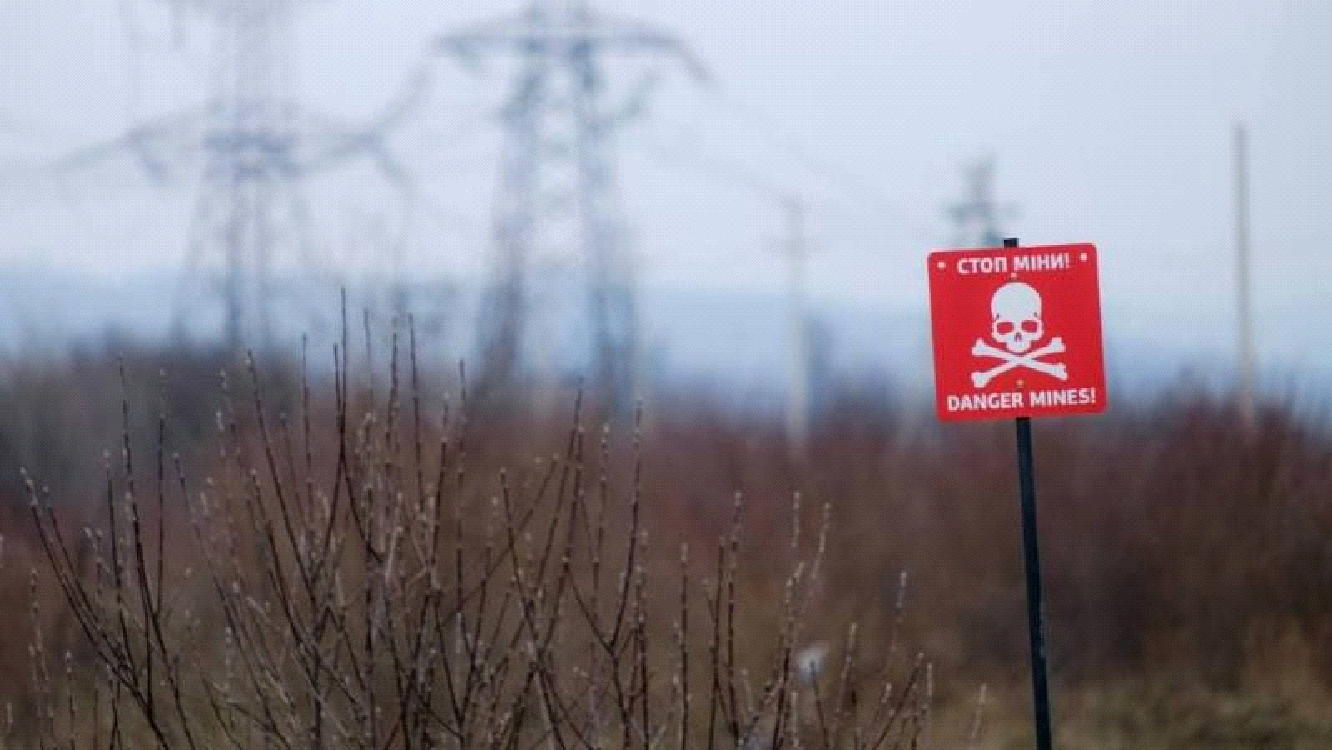
For that reason, he adds, Ukraine is documenting instances of “ecocide”, in the hope that the international criminal court will recognise Russian crimes against the environment as war crimes when the conflict concludes.
Source: the Guardian
Recent posts:
- Building Back Business as usual: Can the Rapid Damage and Needs Assessment provide strategic planning support for green rebuilding of Ukraine?
- LNG dependency poses a risk to Europe’s climate ambitions
- Four years of full-scale war in Ukraine: the environmental perspective
- Russia’s attacks on vegetable oil facilities open a new front in its war on Ukraine
- Fiber-optic web: How the use of drones on the frontlines impacts the environment