Skip to content
  • EN
  • UA
  • RU
Ukraine War Environmental Consequences Work Group

Ukraine War Environmental Consequences Work Group

Seeking solutions through information sharing about the environmental impacts of the war. UWEC Work Group.

  • Home
  • About UWEC
  • Issues
    • Issue #33
    • Issue #32
    • Issue #31
    • Issues 21-30
      • Issue #30
      • Issue #29
      • Issue #28
      • Issue #27
      • Issue #26
      • Issue #25
      • Issue #24
      • Issue #23
      • Issue #22
      • Issue #21
    • Issues 11-20
      • Issue #20
      • Issue #19
      • Issue #18
      • Issue #17
      • Issue #16
      • Issue #15
      • Issue #14
      • Issue #13
      • Issue #12
      • Issue #11
    • Issues 1-10
      • Issue #10
      • Issue #9
      • Issue #8
      • Issue #7
      • Issue #6
      • Issue #5
      • Issue #4
      • Issue #3
      • Issue #2
      • Issue #1
  • News
  • Contacts
  • Resources
    • Webinars
  • Toggle search form

Odesa oil spill: delayed response, ecological damage and wildlife crisis

Posted on February 18, 2026March 11, 2026 By Editor No Comments on Odesa oil spill: delayed response, ecological damage and wildlife crisis

After the December 2025 strike on Pivdennyi port, authorities failed to promptly seal the Small Adzhalyk Estuary. The sunflower oil spill spread 55 km along the Odesa coast, covering 130 km² and contaminating beaches. Hundreds of oil-coated birds were rescued, while dead wildlife later appeared as far as Tuzly Lagoons.

Experts warned that early containment with booms and skimmers could have localized pollution. Instead, delayed or ineffective measures allowed oil to enter open waters. Unlike crude oil, liquid vegetable oil is harder to collect, less responsive to booms and unsuitable for chemical dispersants. Once dispersed, cleanup chances drop sharply.
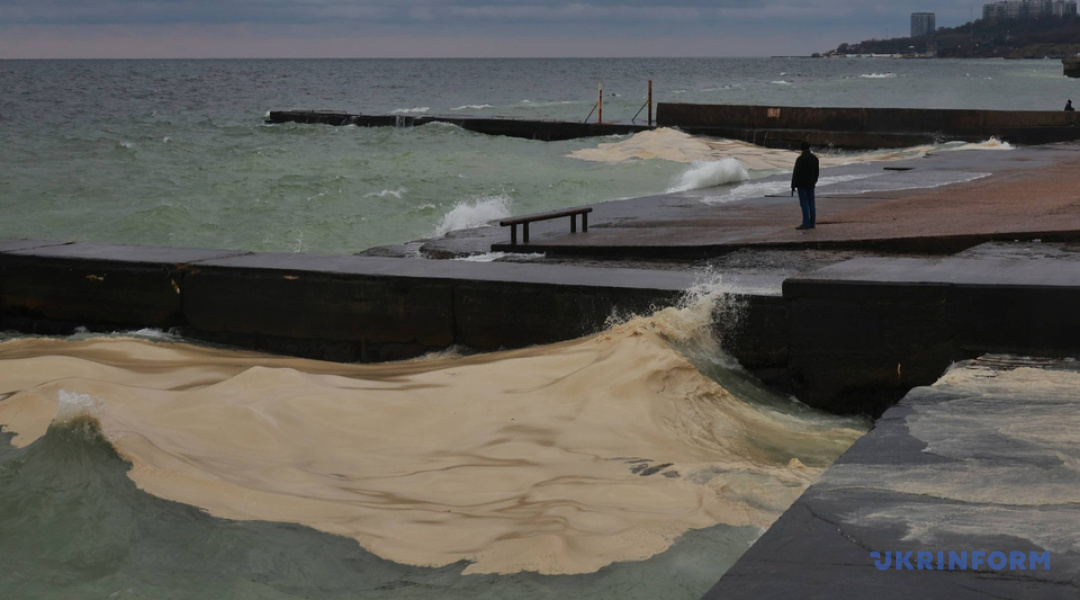
sunflower oil spills

Russia’s attacks on vegetable oil facilities open a new front in its war on Ukraine

Volunteers and the Odesa Zoo led bird rescue efforts. Specialists from Mechnikov National University and other institutions joined rehabilitation work. Still, infrastructure shortages and blackouts complicated care.

Oil residues and dead wildlife were later recorded in Tuzly Lagoons National Nature Park, while ecological risks remain high across the Gulf of Odesa.

Vegetable oil spreads faster than heavy petroleum in shallow, semi-enclosed basins. In winter, low temperatures slow biodegradation while storms fragment slicks into micro-droplets that settle onto seabeds. This can smother benthic organisms and form oxygen-depleting films. Estuaries like Kuyalnik or Small Adzhalyk are especially vulnerable because limited water exchange traps pollutants.

Support UWEC Work Group

To reduce future damage, ports require wartime contingency plans: rapid estuary closure systems, pre-installed boom anchoring points, mobile skimmer fleets, wildlife rehabilitation centers, and trained response teams. Prevention and early containment are the only truly effective strategies.

News

Related Posts

  • IUCN Congress 2025: Ukraine blocks Russia’s political lobby News
  • How Ukraine can integrate environmental security into its national defense strategy News
  • US exit from climate institutions amid record global warming News
  • Fiber-optic drone waste in Ukraine: environmental impact and post-war risks News
  • How warfare destroys Ukraine’s farmland and wildlife News
  • Fiber-optic drones in Ukraine: military advantage and emerging environmental risks News

Leave a Reply Cancel reply

Your email address will not be published. Required fields are marked *

  • Twitter
  • Facebook
  • YouTube
  • Telegram
  • Bluesky
Support Us

Topics

  • Civil society (34)
  • Climate Crisis (10)
  • Crisis & Cooperation (46)
  • Direct Impact (55)
  • Ecosystems (64)
  • Environmental Policy (81)
  • Green Recovery (39)
  • Issues (1)
  • News (22)
  • Sanctions (12)
  • Uncategorized (10)
  • Webinars (11)

Sign-up for Our Issues:

Copyright © 2022-2025 Ukraine War Environmental Consequences Working Group.

Powered by PressBook News WordPress theme