
Ukraine’s Polissia wetlands could have played an even greater defensive role in 2022. Decades of Soviet land reclamation drastically shrank wetlands.
The 1948 Stalinist transformation plan ordered drainage of 1.9 million hectares in Ukraine. Large-scale projects straightened rivers, destroyed floodplains and drained peat bogs. In 1959, Moscow approved land reclamation of five million hectares of Polissia and channelization of the Prypiat River. Explosives were used, significantly damaging ecosystems.
According to official data, 800,000 hectares of peatlands were drained. Other estimates reach 1.2 million hectares. Tens of thousands of hectares later burned.
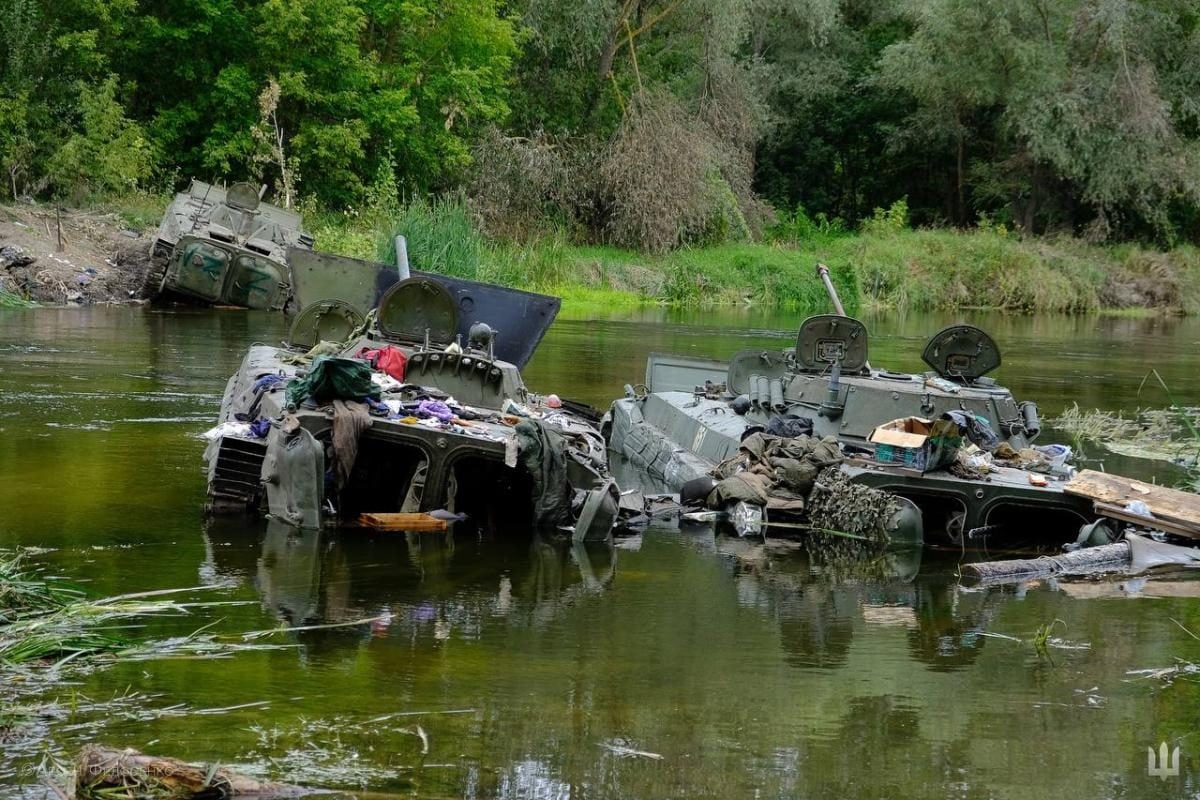
Ironically, Soviet military research recognized swamps as strategic barriers. The classified 1943 study “Passability of Swamps” noted tanks frequently stalled in peat soils. Even light armored vehicles became immobilized without engineering support.
World War II confirmed wetlands as major obstacles. During Operation Bagration, swamp maneuvers required extensive preparation and engineering works.
Modern military manuals still classify certain forest swamps as impassable for tanks. Peat soils have low bearing capacity and retain water even after drainage. Straightened channels accelerate runoff but cannot erase underlying hydrological structure. When reflooded, degraded peatlands rapidly regain marsh characteristics, limiting heavy equipment mobility.
Despite decades of destruction, the remaining Polissia swamps nevertheless slowed Russian forces in 2022. The lesson is clear: wetland restoration strengthens biodiversity, climate resilience and national defense simultaneously.
Recent posts:
- Environmental consequences of the war in Ukraine: Dec 2025 – February 2026 review
- How new technology is helping make Ukraine’s demining process greener
- Building Back Business as usual: Can the Rapid Damage and Needs Assessment provide strategic planning support for green rebuilding of Ukraine?
- LNG dependency poses a risk to Europe’s climate ambitions
- Four years of full-scale war in Ukraine: the environmental perspective