Stanislav Viter
In an environmental context, war isn’t just about pollution caused by explosives or the destruction of infrastructure. The uncontrolled movement of people and goods facilitates the spread of unwanted species and disease carriers such as insects—as Ukraine is now finding out.
Insects are the most numerous group of living beings on Earth, accounting for no less than 90% of all biodiversity on the planet. So it’s no surprise that they can be found almost everywhere and have lived alongside humans for millennia. Woodworms, carpet beetles and grain beetles destroy our food supplies, as do pyralid moths. Cockroaches don’t destroy food so much as act as carriers of dangerous bacterial infections and helminthiasis (worms). At night, tiny bloodsuckers like mosquitoes and bedbugs hunt us in our own cozy homes.
Many of these six-legged creatures are found primarily in human settlements. Consequently, their spread to new locations is largely dependent on anthropogenic factors, as are changes in their range. Insects can appear as a result of random, unsystematic introductions or in more regular patterns as a result of intensive trade between different regions. Of course, the anthropogenic factor is important, but so is the climatic context: global warming often contributes to such changes in range becoming permanent, and even accidental one-off “introductions” can spawn a new population.
Social upheavals, which alter the movement of goods and people, naturally have a significant impact on insect distribution. The war in Ukraine has led to displacement of people on a level unseen since World War II: 6.5 million refugees have fled their homeland since the start of Russia’s full-scale military invasion in 2022, heading primarily to the EU. At the same time, a significant number (2.2 million as of the end of 2025) have returned. In addition to the flow of people, there has been a significant increase in the volume of large cargo, including military goods. This is primarily due to an increase in the flow of imports into Ukraine, including large quantities of goods from other continents (North America, Asia and Australia).
Insects are able to cover long distances fairly easily by traveling in vehicles, on people or inside their belongings, or with items of food. These creatures often travel in large numbers—entire populations—along with their food supply.
This is the case with pyralid moths (Pyralidae), carpet beetles (Dermestidae), bean weevils (Bruchidae) and the sawtoothed grain beetle (Oryzaephilus surinamensis). The grain, flour, meat, sausage and dried fruit they infest host mini-populations of these insects, which move along with the food source. Humanitarian aid to Ukraine has contributed to the rapid spread of these insect species, particularly in flour, dates and rice. This was particularly noticeable in 2022, when the sawtoothed grain beetle entered Ukraine in large numbers via “humanitarian” shipments of rice packaged in 50-kilogram sacks, especially in the city of Kharkiv, where it has since become a common sight in many homes.
The second group of synanthropic insects—a synanthrope is an animal whose habitats are directly linked to human activity—is far less pleasant. These are bloodsucking insects that, since ancient times, have gradually dispersed from their traditional primary habitats by following the migrations of various peoples. One of these is the common bedbug (Cimex lectularius), which is becoming increasingly familiar to Ukrainians. It was the large-scale population movements between Ukraine (where this species is relatively rare) and Western Europe (a region long inhabited by bedbugs) that saw bedbugs become a widespread phenomenon in Ukraine in 2022–2025, and all data in the Global Biodiversity Information Facility (GBIF) database for the country relates to this period.
Invasion of the killer mosquitoes
While common bedbugs are not carriers of dangerous diseases, mosquitoes certainly are. And there are a number of well-known dangerous species that could potentially be transported into Ukraine.
For example, the yellow fever mosquito (Aedes aegypti), whose original natural habitat was tropical Africa. During the Age of Discovery in the 16th and 17th centuries it was introduced to tropical and subtropical regions of the Americas, and by the early 20th century it had reached many islands in Oceania. It is unclear when and how this mosquito arrived in tropical Asia. The closest habitats of the species are found in the Caucasus and Transcaucasia, Asia Minor and even in some parts of Central and Western Europe (Spain, France, Germany, the UK). As its name suggests, the yellow fever mosquito is a vector of the yellow fever virus. In Ukraine, the species can today be spotted in Crimea and the Danube Delta.
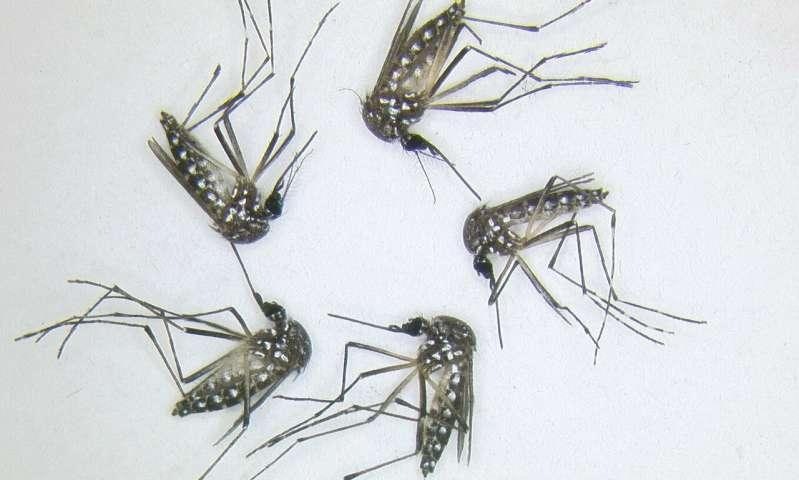
Another potentially dangerous “invader” is the Asian tiger mosquito (Aedes albopictus = Stegomyia albopicta). The geographical origin of this species, which closely resembles the yellow fever mosquito, is uncertain. The prevailing opinion is that it originates in the subtropical and tropical regions of eastern Asia. According to the GBIF database, however, it is currently found in almost all tropical and subtropical regions of the Earth, and in East Asia, Europe and North America it extends far into temperate latitudes. In Europe, the Asian tiger mosquito was first recorded in Albania in 1974, and its range now covers most of the continent, reaching as far north as the southern United Kingdom, Sweden and Finland. This species has also been found in Ukraine, with recorded sightings in the south and in the Kharkiv region. It is a vector for yellow fever and the Chikungunya, dengue, Usutu and Zika viruses.
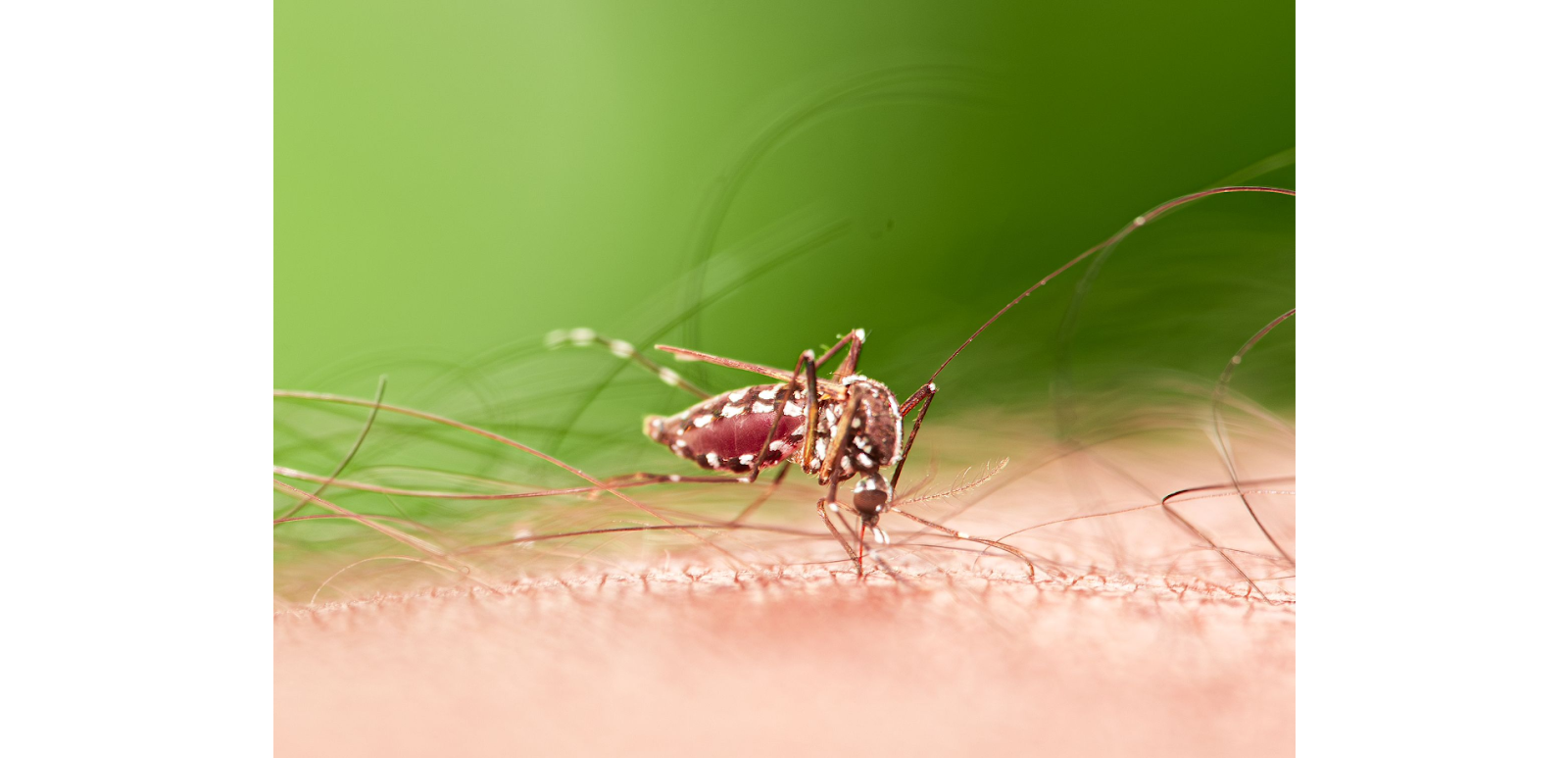
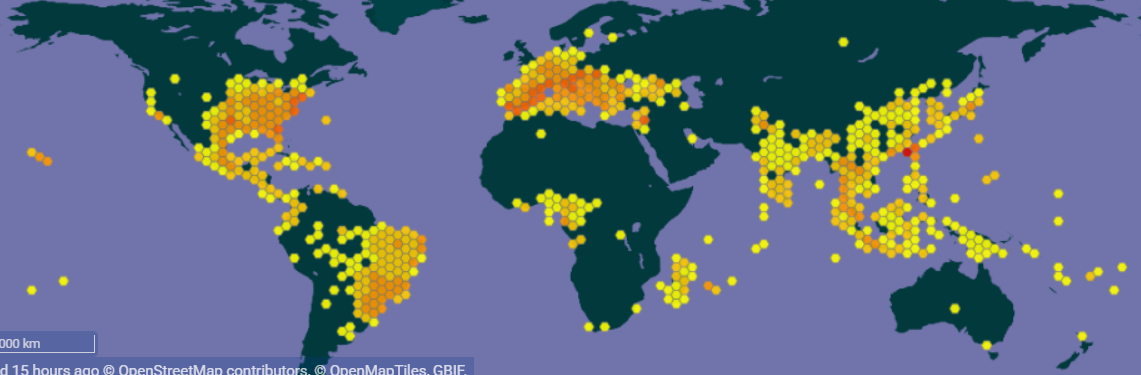
The southern house mosquito (Culex quinquefasciatus) is native to tropical regions in the Eastern Hemisphere, but like the two previous species, it has spread across the planet by sea and, to a lesser extent, by air, primarily to subtropical and tropical regions. The northernmost permanent populations of this species are concentrated in Spain, Italy, France, Greece and Turkey, although the species is rapidly spreading throughout major cities across the European continent. It has also been found in Ukraine—in Kharkiv, for example. This species and several closely related members of the Culex genus are carriers of filaria larvae—dangerous parasitic roundworms that infest the human lymphatic system and cause elephantiasis, a disease that can result in severe disfigurement.
All three of the mosquito species mentioned above are notable for their ability to travel with humans over vast distances, swiftly colonizing new lands and forming urban populations. In the historic districts of large cities in the Americas, the yellow fever mosquito formed urban populations in pools and fountains, where larvae can develop. It could be said that the opulent colonial architecture in the “Creole Baroque” style provided a haven for urban populations of these “deathbringers.” It was from the wealthy neighborhoods of Latin America that yellow fever first spread, plunging the entire American continent into a dark night of convulsions and suffocation that lasted from the 17th to the 19th century.
But why is it that this particular trio can cover large distances so easily on ships or even airplanes, given that adult mosquitoes are known to be quite sensitive to drafts and strong temperature fluctuations, and that bodies of water are needed for the development of their larvae?
First, all three species inhabit semi-arid or monsoon regions in the tropical zone of the Eastern Hemisphere. This means that sudden changes in temperature and humidity are not a problem for adult insects, and the rapid drying of swampy areas during the dry season augments their migratory skills and increases their mobility.
Second, bodies of water in tropical landscapes of variable humidity often turn into small, fetid, sun-heated puddles, so the larvae of these mosquitoes are less demanding: they can develop even in a small tin can filled with water.
On a ship, therefore, adult mosquitoes can easily find a warm dark corner and their larvae can find a vessel of superheated water—a regular glass or teacup is sufficient. Crew members provide the female mosquitoes with the food they need—blood. With a constant supply of this food, the mosquitoes are able to reproduce throughout the voyage, increasing their numbers before settling in new lands.
Something similar is happening today, but the emphasis is now on the mosquitoes’ ability to penetrate containers and other means of transportation, as well as the ability of larvae to develop even in water that has accumulated in places such as rubber tires. Moreover, as natives of the seasonally dry tropics, the larvae of these three mosquito species are quite comfortable in small volumes of heated water.
Staging posts: Cities, vegetable warehouses, timber storage facilities
European cities, including those that function as distribution centers for people and goods entering and leaving Ukraine, are essentially transportation hubs, allowing mosquitoes to travel quickly and easily from one major city to another. So what makes large cities so attractive to these little wayfarers?
First, they can find numerous small bodies of warm water in technical structures (heating mains, collector sewers, industrial facilities with condensate or cooling ponds at power plants, etc.). Second, temperatures in large cities are higher than in adjacent undeveloped areas. Cities contain many places with consistently high temperatures: residential buildings, industrial plants, vegetable warehouses and greenhouses. Cities therefore allow these mosquitoes to maintain the rhythm of their tropical homeland within the cooler European continent. Urban colonization is a key “stepping-stone” in conquering vast territories, in which a particular species quickly colonizes a relatively small breeding ground, and then, thanks to certain factors, moves to another location with similar conditions, but already far from the first hotspot. The transportation of goods is one such factor, and modern European cities are a web of breeding grounds for the further spread of these carriers of dangerous diseases.
A little earlier in the article, vegetable warehouses and greenhouses were mentioned. This is where the third group of invaders begin their journey: silverfish, crickets, cockroaches. Why here?
First, vegetable farms and greenhouses are the oldest structures in European cities that are constantly heated to high temperatures throughout the year. Second, vegetables, fruits and ornamental plants are brought here from all over the world, including distant tropical countries. And since these are mainly herbivorous insects, vegetable farms and greenhouses offer all kinds of delicacies.
Of this diverse group of insects, this article is concerned only with those that significantly expanded their range in Ukraine between 2022 and 2025. One of these is the so-called American cockroach (Periplaneta americana), which, despite its name, likely originates from tropical Africa but has now colonized nearly the entire world. Before the war, encounters with American cockroaches in Ukraine were rare. In Kharkiv, their spread turned out to be directly linked to the city’s zoo. By 2023–2024, this cockroach species was already being sighted in high-rise residential buildings in Kharkiv. In fact, all registered sightings of this species entered in the GBIF database were made after 2014 (primarily from 2022 to 2025).
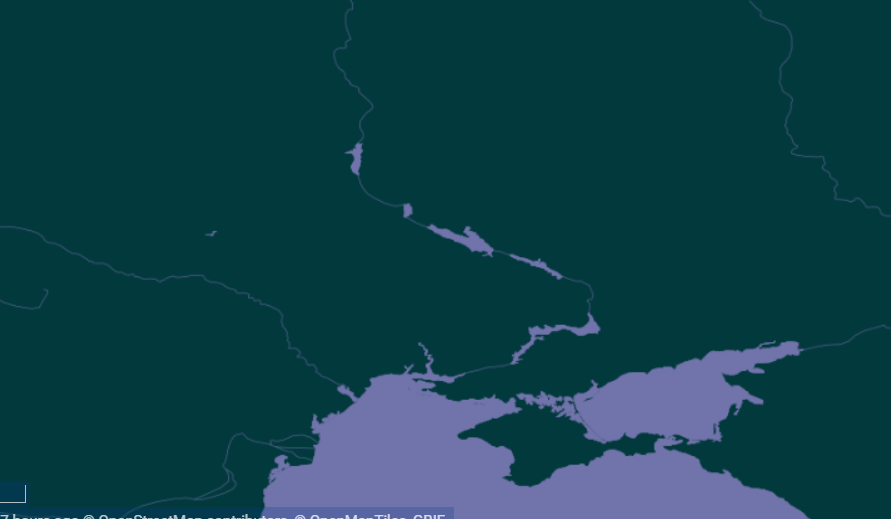
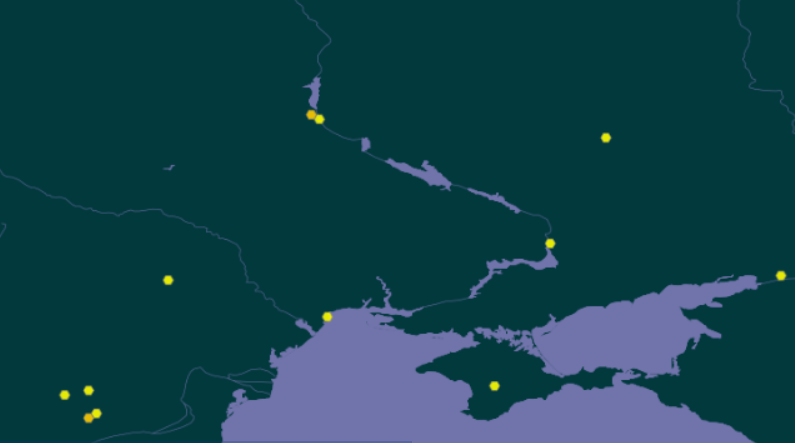
The German cockroach (Blatella germanica) was virtually ubiquitous in Ukraine, although some residential areas were still free of this insect prior to the full-scale invasion. In 2022, the species was found to have been brought into residential districts of Kharkiv, a city where it was previously unknown, in the belongings of internally displaced Ukrainians from further east. This shows how the increased movement of people and goods is playing a role in accelerating the colonization of major Ukrainian cities by this species.
Cockroaches, which often visit garbage dumps, can contaminate food and utensils with their excrement and can also act as mechanical carriers of helminth eggs (the reproductive stage of parasitic worms) and various bacteria.
The transportation of timber (wood, planks, even furniture) facilitates the introduction and rapid dispersal of certain species of jewel beetles and longhorn beetles, whose larvae live in wood. Almost the entire territory of Ukraine has been “occupied” by the emerald ash borer (Agrilus planipennis), which is native to East Asia. Even the export of timber from Ukraine risks facilitating the rapid spread of this invasive species to Central and Western Europe. The emerald ash borer poses a serious threat to ash trees during mass reproduction, which is characteristic of invasive species. The longhorn beetle (Semanotus bifasciatus), which also originates from East Asia, has been found outside its historical range in both Ukraine (Mariupol) and the Netherlands. This longhorn beetle causes great damage to park plantings of thuja, juniper and cypress.
Pushing the boundaries: How movement of goods and people helps insects expand their range
Between 2020 and 2025, the four-lined silverfish (Ctenolepisma lineata) made a dramatic expansion to the north. It was during this period that the species colonized Kharkiv, where it became a common sight in residential buildings. Overall, if we look at the registration map, the species’ expansion follows the main routes of movement of goods and people in Ukraine: west-east and southwest-north and northeast. Global climate change, particularly the rise in temperatures (especially during the cooler months), is contributing to an expansion in the northern range of some southern species, particularly Mediterranean species. This is especially true for those typically found in buildings, such as Ctenolepisma lineata.
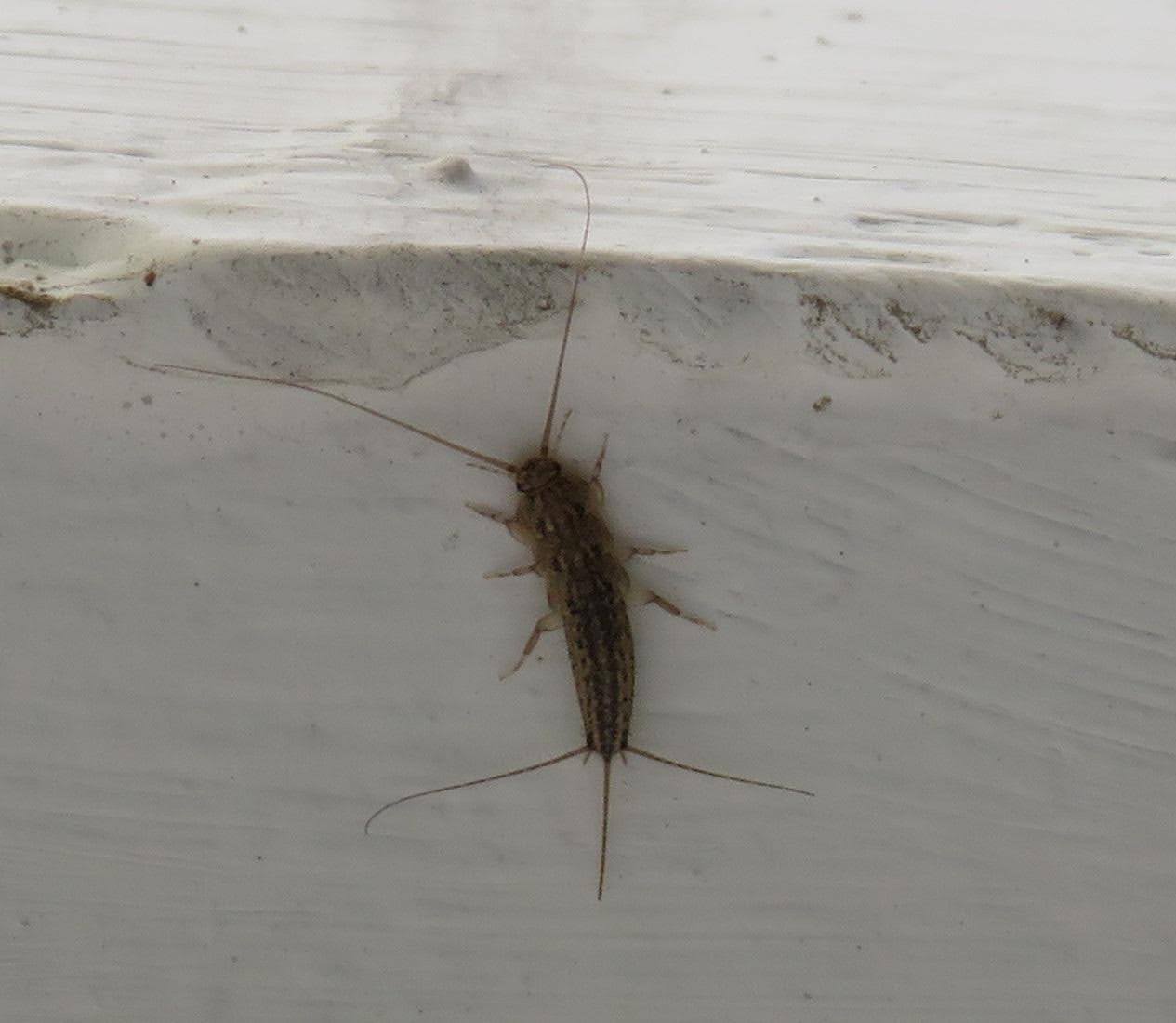
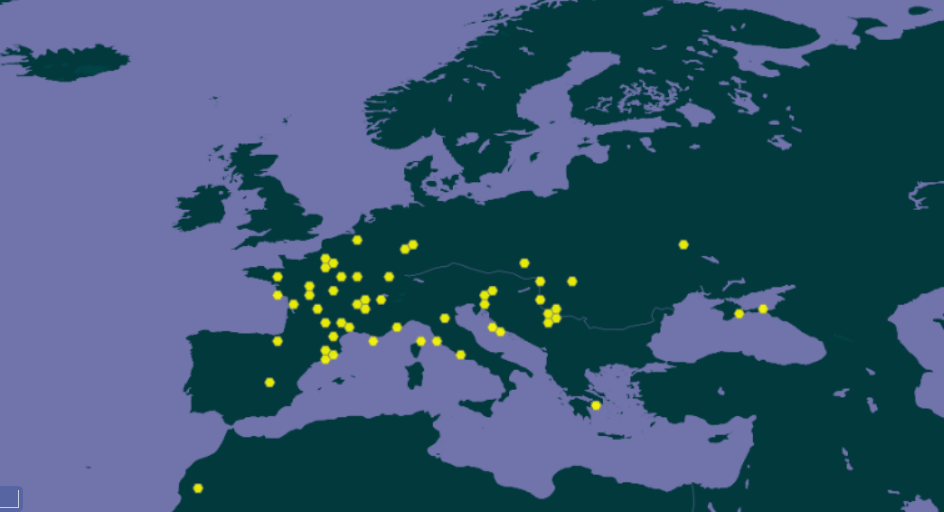
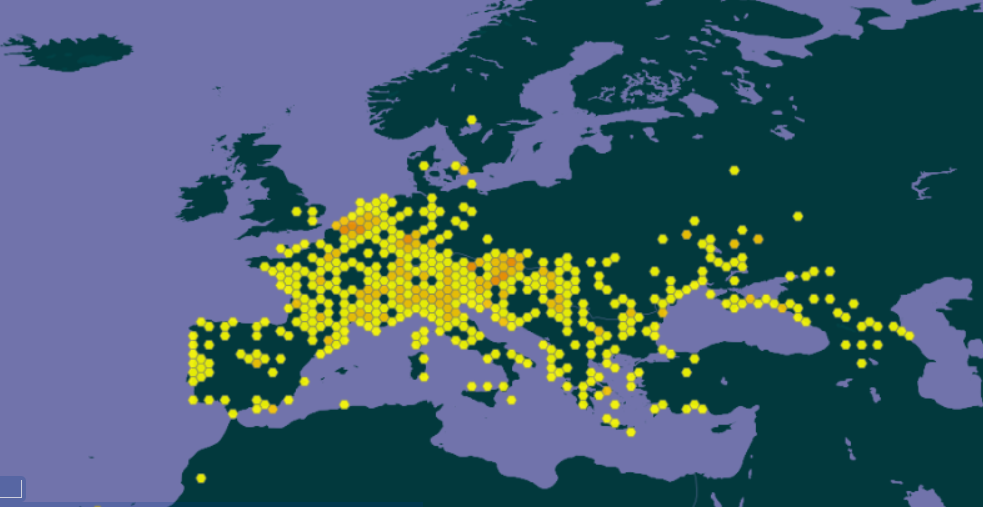
Another species, the common silverfish (Lepisma saccharinum), was widespread in Ukraine even before the war. However, the intensification of shipping has contributed to its increasing prevalence in private homes. In 2022, for example, this writer was informed by several acquaintances that they had discovered silverfish in their homes after receiving humanitarian aid (grain, sugar).
Both species of silverfish are generally not significant pests in residential buildings, although they can consume grain and sugar, and sometimes even the glue used in binding book spines. Their harmful activity is more noticeable when they breed en masse in storage areas.
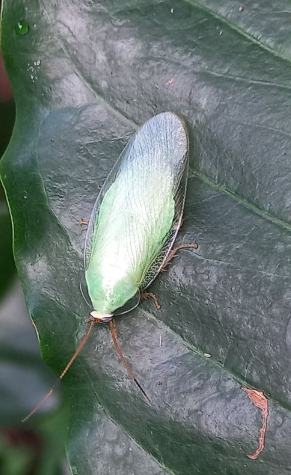
Some “guests” are simply too exotic and are unlikely to ever become synanthropic in Ukraine. In Kharkiv, for example, the author of this article found green banana cockroaches (Panchlora nivea) among bananas imported from Colombia. This species has previously been found to have entered Denmark, the United Kingdom, Finland (Helsinki), Sweden (primarily Stockholm), Belgium, the Netherlands, Germany and Spain (Barcelona) as part of banana shipments (GBIF data).
Taking the family along for the ride
Wherever herbivorous insects are found, there are also predators. The most noticeable synanthropic predatory insect species is the masked hunter (Reduvius personatus). This species probably originated in Africa, but is now distributed across the world’s continents (except Antarctica), most prominently in Europe and North America. The masked hunter is found mainly in cities and other populated areas, both indoors and outdoors.
Analyzing the distribution data for the species in the GBIF database for the period up to and including 2017 and for the period since 2017 (especially 2020–2025), it can be observed that the vast majority of sightings of the masked hunter in Ukraine occurred during the period of full-scale war The intensification of transportation and migration caused by the war undoubtedly helped this species spread to new territories, although it is a good flyer and capable of covering large distances on its own.
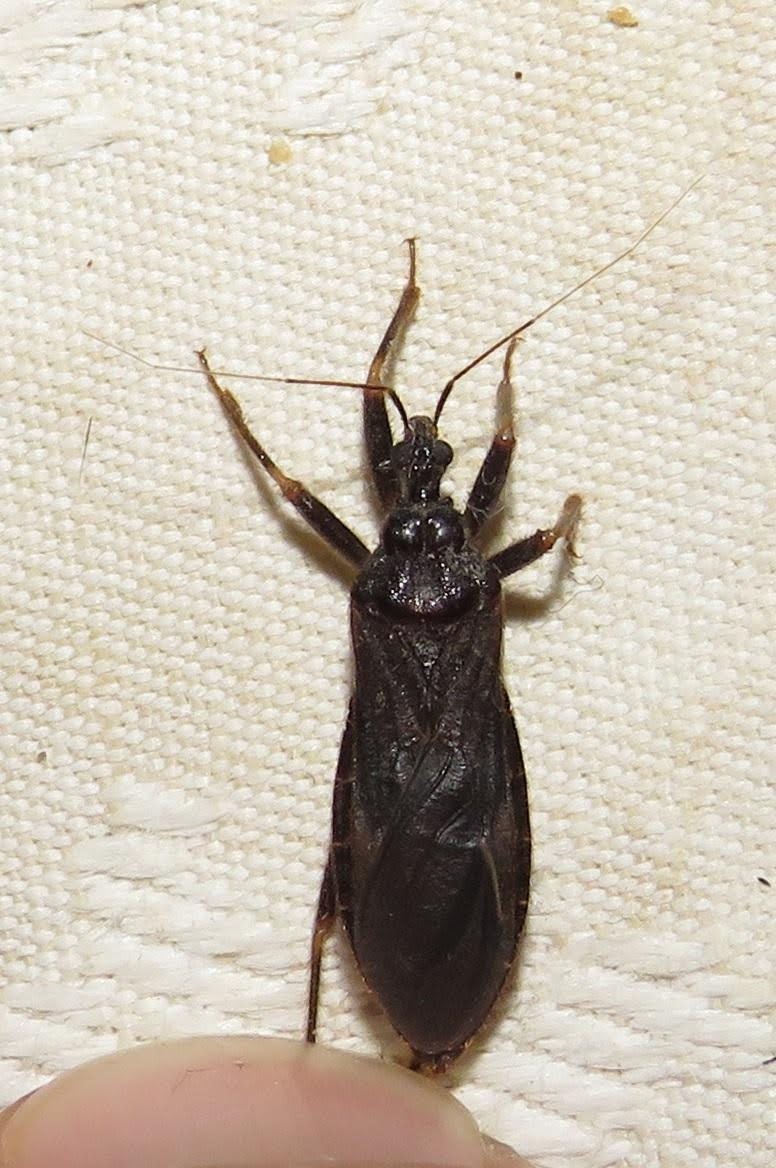
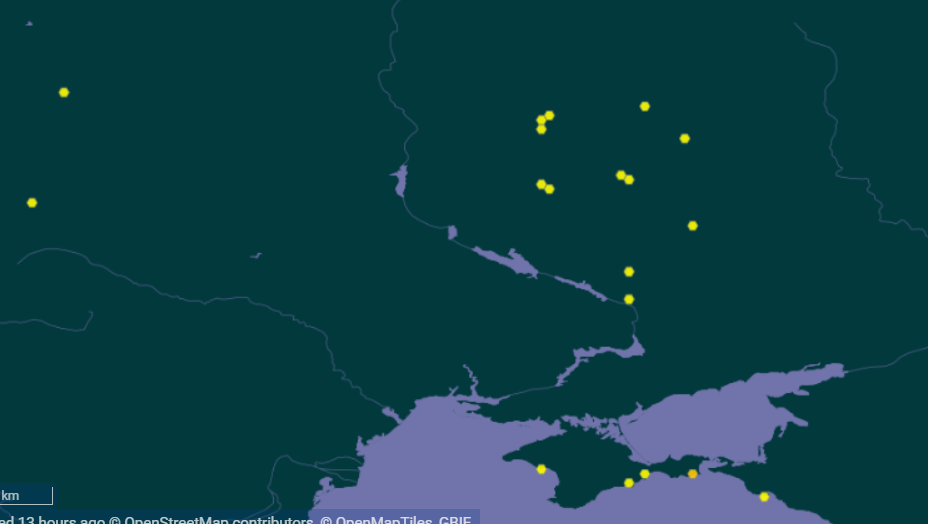
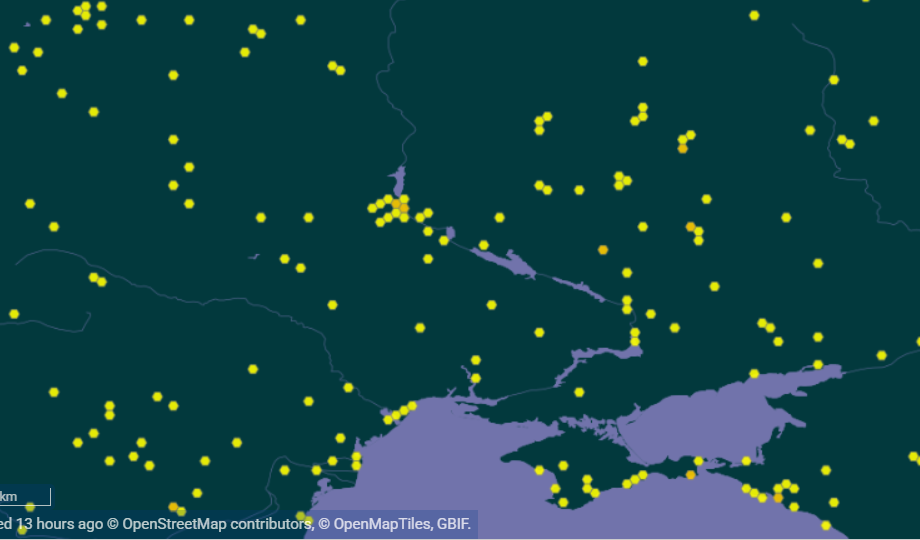
In addition to numerous new observations (in new geographical coordinates) a significant increase in the number of the species Reduvius personatus has been noted in certain locations, for example in the city of Kharkiv (where sightings approximately quadrupled in 2022–2025 when compared to registered sightings on the same observation routes in 2016–2018).
Goods transportation, especially container shipping, facilitates the spread of several species of mud-dauber wasps (genus Sceliphron). These elegant wasps build nesting cells out of clay everywhere, often attaching them to the inside of shipping containers, inside items of furniture or in stacks of boards and other wood products. These nesting cells, in which Pelopeia larvae grow, are transported over great distances within this cargo. It is possible that this is how the species Sceliphron deforme arrived in Ukraine from East and Southeast Asia, and it is this “help” that allows the spread of the Mediterranean species Sceliphron curvatum and Sceliphron caementarium, which are more common in Ukraine.
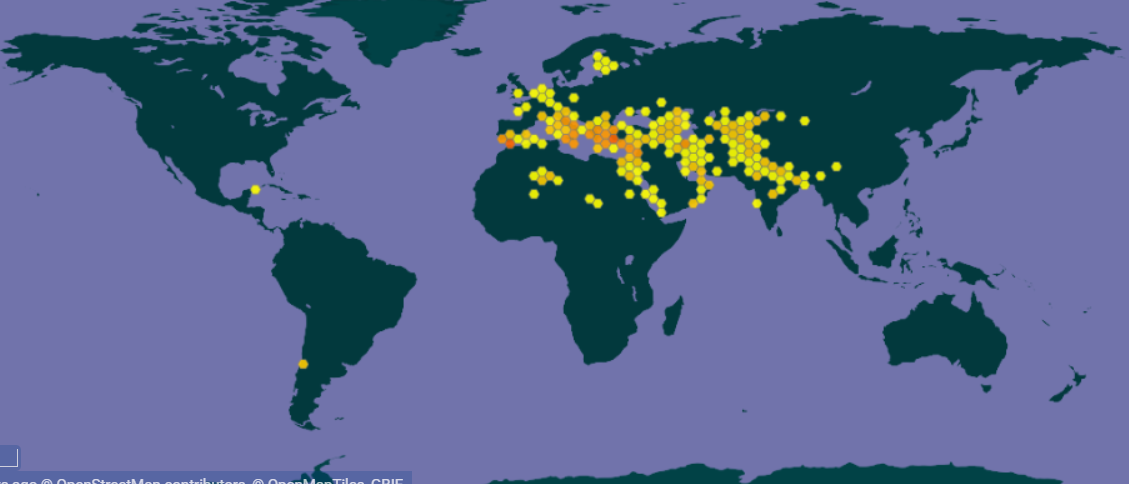
The oriental hornet (Vespa orientalis) is a striking example of a species that has significantly expanded its range thanks to intensive commercial goods transportation. Its range originally included the eastern Mediterranean, Arabia and the Middle East, Turkestan, Transcaucasia and northwestern regions of India. But it has now spread throughout the Mediterranean, as well as to Yucatan (Mexico), central Chile, southern China and Europe (southern Finland, the southern UK, France, the Netherlands and Germany). It has also been discovered in Ukraine, in the port city of Odesa.
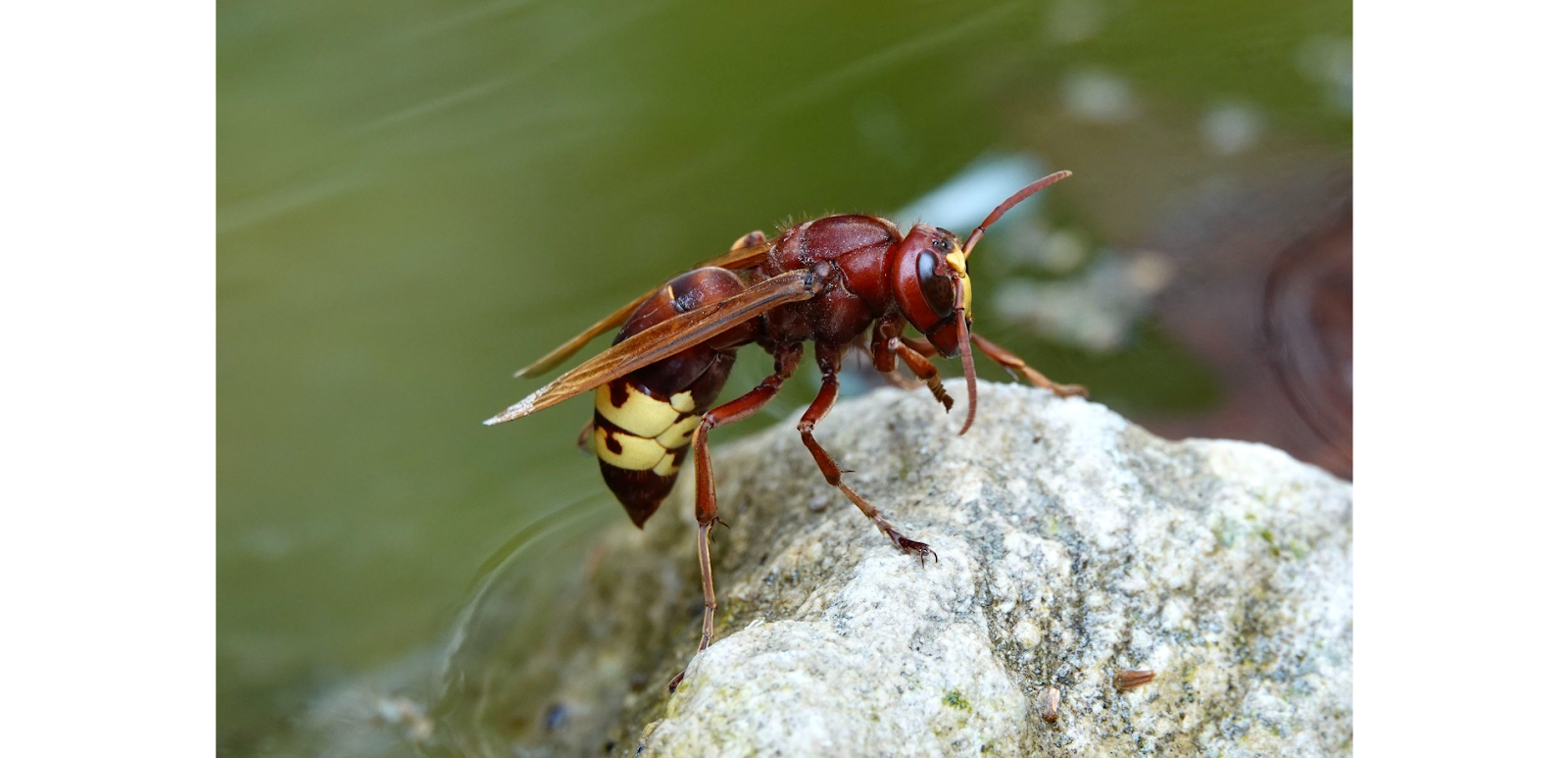
Global warming and the intensification of commercial goods transportation mean this species of large wasp is likely to appear in many parts of Ukraine. The oriental hornet prefers to nest near apiaries and can cause significant damage to beekeeping activity by catching adult bees and feeding them to its own larvae. However, oriental hornets are less attached to forested landscapes than the common European hornet (Vespa crabro) and are much more likely to nest near humans.
A question arises: how dangerous exactly is a “hitchhiker” like this? Of course, when insects that are potential carriers of dangerous diseases expand their range, it creates a serious problem that requires comprehensive monitoring and preventative measures.
Mosquitoes are the most dangerous “unwanted travelers” of all. This means it is especially important to observe basic sanitary standards by treating the cabins of airplanes and ships with special mosquito-repellent insecticides after they leave a potential infestation area. It is crucial to avoid leaving any vessels containing water uncovered, even small ones. Condensation or water from rainfall can seep into any potential reservoirs (tires, containers or empty metal cans), and over time the water will accumulate. On arrival at their final destination, it is necessary to re-treat the premises and cargo with insecticides, and not to allow – without preliminary processing – any water to be drained off, since it may contain mosquito larvae.
To curb the spread of timber beetles, quarantine measures should be introduced both for Ukrainian timber exports and when wood is transferred between regions inside the country.
It is far harder to track the movement of cockroaches and bedbugs, since often these insects are transported not in large vehicles, but in travelers’ luggage. And this is already the responsibility of each individual person: to carefully go through their things before packing, to inspect their suitcases, and when necessary to thermally treat their things using an iron.
As for what is to be done, in the case of invasive species the answers are already well-known and relatively simple: proactive management; quarantine; the observation of basic sanitary norms. But all the same, there is no 100% guarantee that no undesirable “guests” will be introduced. This is why insects so successfully use “hitchhiking” as a means of quickly spreading over large distances, circumventing numerous natural barriers: seas, mountains, oceans, deserts. War significantly complicates sanitary control over shipments and populations on the move, and increased flows of particular goods can facilitate the spread of invasive species.
Translated by Alastair Gill
Main image source: comptoncreekmad.org