
Vegetable oil spills in marine and freshwater bodies can cause severe ecological damage. Studies show they trigger organism mortality, population shifts, and dominance of more resistant species.
Unlike crude oil, vegetable oils biodegrade relatively quickly through bacterial decomposition. However, rapid degradation sharply increases biological oxygen demand, causing oxygen depletion and fish kills. In enclosed waters such as bays and estuaries, anoxic zones form easily, intensifying ecological damage.
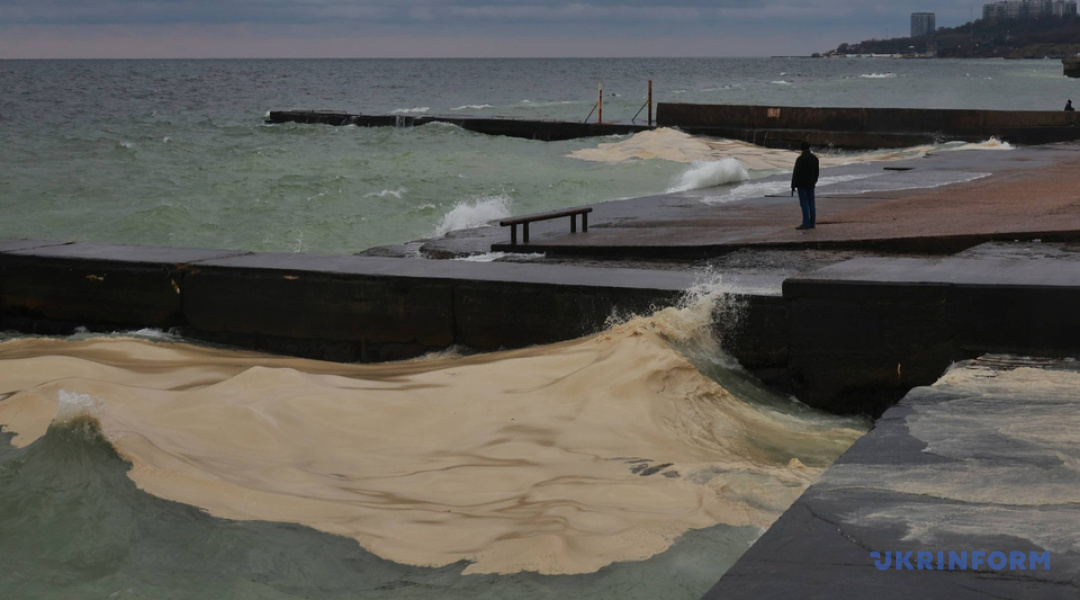
The main risk is not toxicity but suffocation: oil films block oxygen exchange and clog fish gills. Bottom habitats suffer when oxidized oil settles, creating oxygen-free zones that harm mussels and benthic species.
Vegetable oils spread faster and thinner than petroleum, covering large surface areas. They reduce surface tension, threatening surface-dwelling plankton. Birds are affected physically, as oil disrupts feather insulation and causes hypothermia. Unlike petroleum, vegetable oil is less carcinogenic but difficult to remove from feathers. On shorelines, it can polymerize and coat objects.
Regulation differs by country. The United States requires spill prevention and response plans under federal law, including SPCC systems. Ukraine mandates emergency response plans for high-risk facilities but lacks detailed standards specific to edible oils.
Although vegetable oil spills degrade faster than crude oil, oxygen depletion can make short-term ecological impacts more intense, especially in semi-closed ecosystems.