Skip to content
  • EN
  • UA
  • RU
Ukraine War Environmental Consequences Work Group

Ukraine War Environmental Consequences Work Group

Seeking solutions through information sharing about the environmental impacts of the war. UWEC Work Group.

  • Home
  • About UWEC
  • Issues
    • Issue #34
    • Issue #33
    • Issue #32
    • Issue #31
    • Issues 21-30
      • Issue #30
      • Issue #29
      • Issue #28
      • Issue #27
      • Issue #26
      • Issue #25
      • Issue #24
      • Issue #23
      • Issue #22
      • Issue #21
    • Issues 11-20
      • Issue #20
      • Issue #19
      • Issue #18
      • Issue #17
      • Issue #16
      • Issue #15
      • Issue #14
      • Issue #13
      • Issue #12
      • Issue #11
    • Issues 1-10
      • Issue #10
      • Issue #9
      • Issue #8
      • Issue #7
      • Issue #6
      • Issue #5
      • Issue #4
      • Issue #3
      • Issue #2
      • Issue #1
  • Highlights
  • Contacts
  • Resources
    • Webinars
  • Toggle search form

Wetland reclamation in Ukraine: how drained swamps weakened natural defense

Posted on February 17, 2026March 10, 2026 By Editor No Comments on Wetland reclamation in Ukraine: how drained swamps weakened natural defense

Ukraine’s Polissia wetlands could have played an even greater defensive role in 2022. Decades of Soviet land reclamation drastically shrank wetlands.

The 1948 Stalinist transformation plan ordered drainage of 1.9 million hectares in Ukraine. Large-scale projects straightened rivers, destroyed floodplains and drained peat bogs. In 1959, Moscow approved land reclamation of five million hectares of Polissia and channelization of the Prypiat River. Explosives were used, significantly damaging ecosystems.

According to official data, 800,000 hectares of peatlands were drained. Other estimates reach 1.2 million hectares. Tens of thousands of hectares later burned.
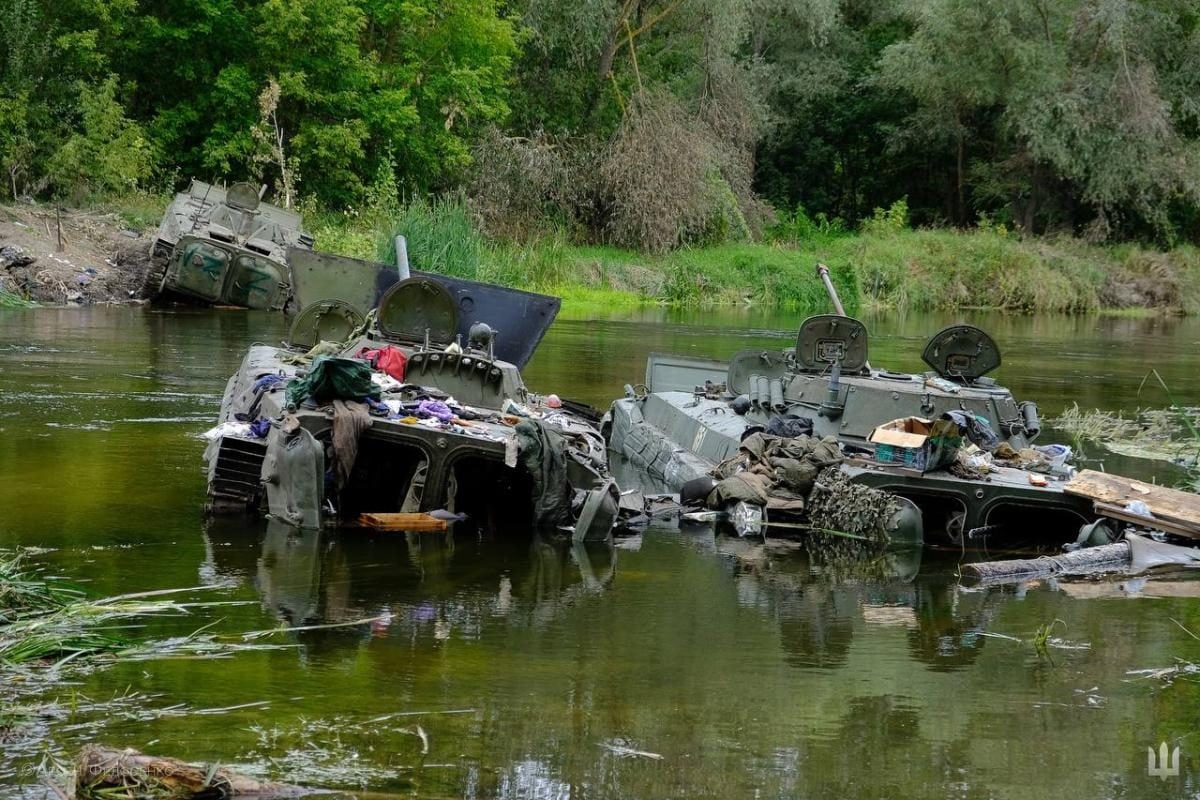
wetlands

Nature’s tank traps: How wetlands form a natural shield against military aggression

Ironically, Soviet military research recognized swamps as strategic barriers. The classified 1943 study “Passability of Swamps” noted tanks frequently stalled in peat soils. Even light armored vehicles became immobilized without engineering support.

World War II confirmed wetlands as major obstacles. During Operation Bagration, swamp maneuvers required extensive preparation and engineering works.

Modern military manuals still classify certain forest swamps as impassable for tanks. Peat soils have low bearing capacity and retain water even after drainage. Straightened channels accelerate runoff but cannot erase underlying hydrological structure. When reflooded, degraded peatlands rapidly regain marsh characteristics, limiting heavy equipment mobility.

Support UWEC Work Group

Despite decades of destruction, the remaining Polissia swamps nevertheless slowed Russian forces in 2022. The lesson is clear: wetland restoration strengthens biodiversity, climate resilience and national defense simultaneously.

Recent posts:

  • Six-legged stowaways: The dangerous insects hitching a ride to war-torn Ukraine
  • Preserve the Great Meadow as a UNESCO World Heritage Site
  • Blind restoration: What lessons do other countries have for Ukraine’s green recovery?
  • Re-dam or to restore the Dnipro: What are the goals of International Financial Institutions in the Dnipro River valley?
  • Espoo Convention: Does cross-border environmental impact assessment work in war zones?
Highlights

Related Posts

  • Occupied agricultural lands and biodiversity at risk in Ukraine Highlights
  • Soil and water in Ukraine are contaminated with toxic substances Highlights
  • Ukraine’s ruined cities: rebuild or start from scratch? Highlights
  • Black Sea dolphins and porpoises: the impact of war on marine mammals Highlights
  • Fiber-optic drone waste in Ukraine: environmental impact and post-war risks Highlights
  • US exit from climate institutions amid record global warming Highlights

Leave a Reply Cancel reply

Your email address will not be published. Required fields are marked *

  • Twitter
  • Facebook
  • YouTube
  • Telegram
  • Bluesky
Support Us

Topics

  • Civil society (36)
  • Climate Crisis (11)
  • Crisis & Cooperation (54)
  • Direct Impact (57)
  • Ecosystems (68)
  • Environmental Policy (87)
  • Green Recovery (47)
  • Highlights (33)
  • Issues (1)
  • Sanctions (12)
  • Uncategorized (8)
  • Webinars (11)

Sign-up for Our Issues:

Copyright © 2022-2025 Ukraine War Environmental Consequences Working Group.

Powered by PressBook News WordPress theme