Skip to content
  • EN
  • UA
  • RU
Ukraine War Environmental Consequences Work Group

Ukraine War Environmental Consequences Work Group

Seeking solutions through information sharing about the environmental impacts of the war. UWEC Work Group.

  • Home
  • About UWEC
  • Issues
    • Issue #33
    • Issue #32
    • Issue #31
    • Issues 21-30
      • Issue #30
      • Issue #29
      • Issue #28
      • Issue #27
      • Issue #26
      • Issue #25
      • Issue #24
      • Issue #23
      • Issue #22
      • Issue #21
    • Issues 11-20
      • Issue #20
      • Issue #19
      • Issue #18
      • Issue #17
      • Issue #16
      • Issue #15
      • Issue #14
      • Issue #13
      • Issue #12
      • Issue #11
    • Issues 1-10
      • Issue #10
      • Issue #9
      • Issue #8
      • Issue #7
      • Issue #6
      • Issue #5
      • Issue #4
      • Issue #3
      • Issue #2
      • Issue #1
  • Highlights
  • Contacts
  • Resources
    • Webinars
  • Toggle search form

Russia establishes “Velykyi Luh” National Park in occupied Zaporizhzhia

Posted on March 13, 2026April 2, 2026 By Editor No Comments on Russia establishes “Velykyi Luh” National Park in occupied Zaporizhzhia

In January 2026, the Russian government announced the creation of the “Velykyi Luh” National Park in the occupied territory of Zaporizhzhia Oblast. The new nature reserve covers an area of approximately 16,700 hectares and completely overlaps with the boundaries of the Ukrainian national park of the same name. The park includes the former territories of the Kakhovka Reservoir, the islands of Velyki Kuchugury and Mali Kuchugury, a stretch of coastline between Skalky and Enerhodar, as well as the Mayachanska Balka and the Bilozerske Tract. Currently, these areas remain in an active hostilities zone.
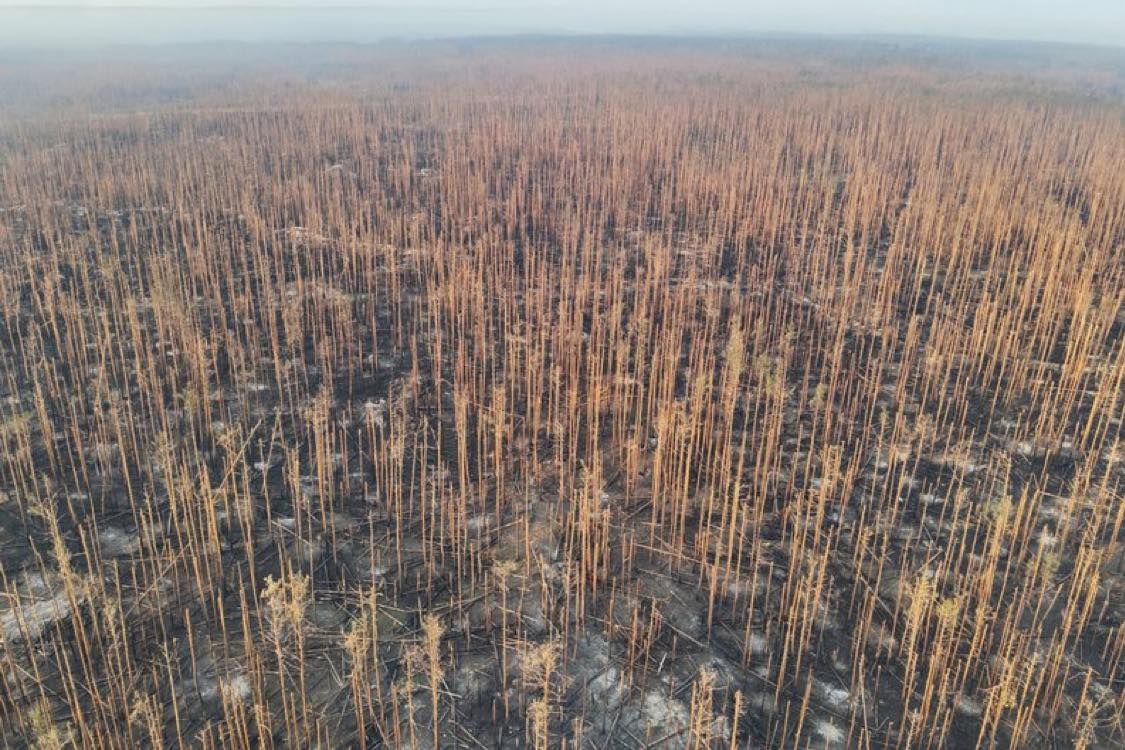
Zaporizhzhia nuclear power plant, Velykyi Luh

Environmental consequences of the war in Ukraine: Dec 2025 – February 2026 review

Historically, the Velykyi Luh natural complex was nearly destroyed in 1956 during the creation of the Kakhovka Reservoir. Remnants of the ecosystem survived on the islands and in ravines along the shoreline. Following the destruction of the Kakhovka Hydroelectric Power Plant in 2023 and the draining of the reservoir, a rapid restoration of natural ecosystems began. Ukrainian scientists also proposed creating a nature reserve here, but assumed it would be established only after the region’s de-occupation.

According to UWEC Work Group experts, Russia’s initiative may be linked to an attempt to legitimize control over the occupied territories through the creation of protected natural areas and their potential international recognition.

At the same time, pressure on the environmental scientific community continues in Russia. In January 2026, scientist Aleksei Dudarev, a researcher of Arctic pollution, was arrested. He has been charged with treason in connection with his scientific collaboration in the international Arctic Monitoring and Assessment Programme. As a result of this political persecution, the next report on Arctic pollution may be published without the participation of Russian scientists.

Support UWEC Work Group

This is not the only case of repression against scientists working on topics related to Russia’s geopolitical interests. UWEC previously reported on the arrest of Leonid Pshenichnov, a Ukrainian Antarctic researcher with Russian citizenship.

Highlights

Related Posts

  • IUCN World Conservation Congress 2025: Ukraine shapes global conservation dialogue Highlights
  • Environmental security in the Middle East: lessons from Israel, Palestine, and Lebanon Highlights
  • How Ukraine can integrate environmental security into its national defense strategy Highlights
  • Russia’s strikes on Ukraine’s oil terminals trigger large-scale vegetable oil spills Highlights
  • Vegetable oil spills vs crude oil: environmental impact on marine and freshwater ecosystems Highlights
  • How food became a weapon in Ukraine Highlights

Leave a Reply Cancel reply

Your email address will not be published. Required fields are marked *

  • Twitter
  • Facebook
  • YouTube
  • Telegram
  • Bluesky
Support Us

Topics

  • Civil society (36)
  • Climate Crisis (11)
  • Crisis & Cooperation (49)
  • Direct Impact (56)
  • Ecosystems (64)
  • Environmental Policy (82)
  • Green Recovery (42)
  • Highlights (30)
  • Issues (1)
  • Sanctions (12)
  • Uncategorized (8)
  • Webinars (11)

Sign-up for Our Issues:

Copyright © 2022-2025 Ukraine War Environmental Consequences Working Group.

Powered by PressBook News WordPress theme