
A new assessment of the environmental and climate impacts of the war in Ukraine reveals far-reaching consequences. Over four years of full-scale invasion, CO2 emissions totaled 311 million tons—equivalent to France’s total annual emissions and half of Germany’s annual emissions—and are estimated to have caused nearly $57 billion in climate damage. Of these, 114 million tons were caused by military operations, and 70 million tons by wildfires exacerbated by dry weather and climate change.
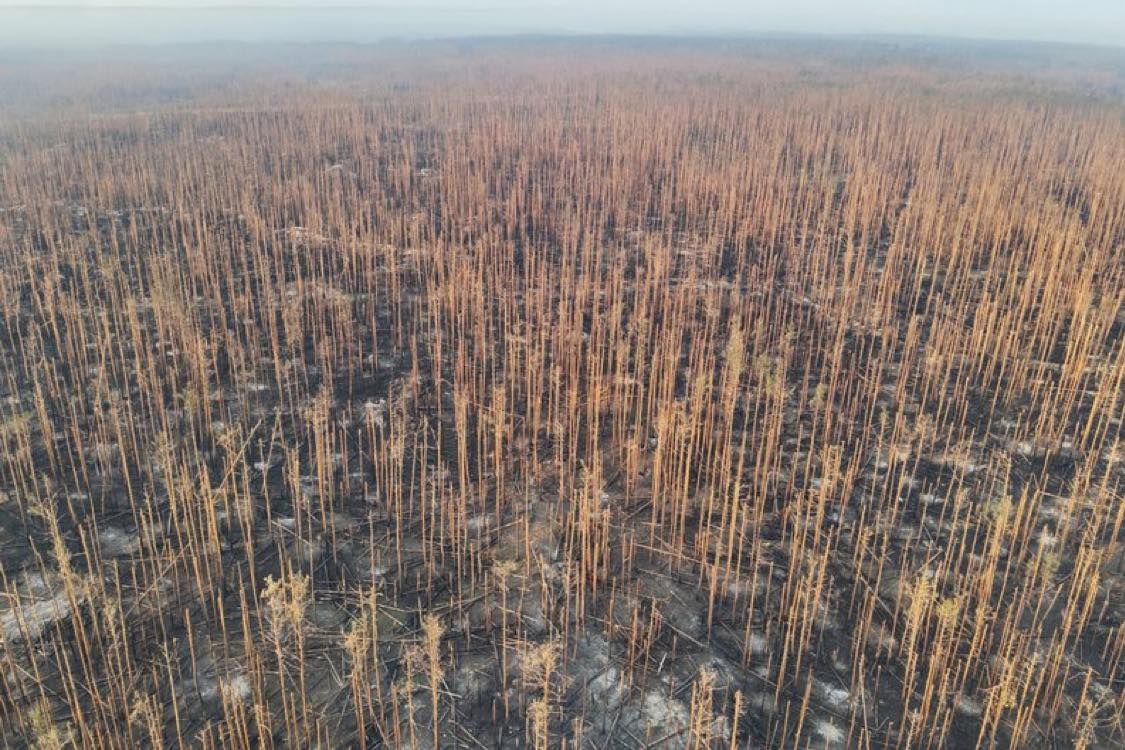
Ecodia’s monitoring recorded 2,598 cases of environmental damage, including shelling of nuclear power plants, ports, oil depots, forests, and steppes. Incidents are ranked from 1 to 3 based on their destructive impact: level 1—local damage without widespread impact; level 2—significant local harm; level 3—confirmed major destruction requiring long-term ecosystem restoration. 1,623 cases (63.2%) fall into the first category, but 237 (9.2%) have long-term destructive effects.
The highest intensity of environmental incidents was recorded in the first and fourth years of the war. 2025 was record-setting—931 incidents caused by Russia’s targeted strikes on industrial and energy infrastructure. Experts note a vicious cycle: war exacerbates climate risks, while climate change—such as drought conditions—makes the consequences of hostilities more destructive.
Monitoring continues while data is being collected from open sources, including the media, social media, and eyewitness accounts. Comprehensive post-war analysis will allow for an assessment of long-term consequences and the development of measures to restore ecosystems.