Eugene Simonov
Russia’s full-scale invasion of Ukraine is having catastrophic consequences for oil infrastructure and tankers, specifically in the form of large-scale oil spills that cause mass deaths of fish and dolphins. Monitoring data and international experts show that modern rules of war at sea are outdated. There are options to protect the marine environment ranging from the creation of ecological safety zones to the urgent need for a special convention on the protection of the marine environment from the environmental consequences of military activities.
The boundaries of permissible “legitimate military objectives” are constantly expanding, simultaneously increasing the risk of large-scale and long-term pollution for marine areas and coastlines. This carries the risk of significant negative consequences for both ecosystems as a whole and for specific species.
The most dangerous form of marine pollution is that caused by petroleum products and oil resulting from the destruction of tankers, port facilities and offshore oil platforms. Accidental spills of marine fuel from other military and civilian vessels are also highly dangerous. UWEC’s ongoing coverage of the spill caused by the dual tanker wrecks in December 2024 highlights those environmental consequences.
UWEC Work Group has also examined navigation rules that could help prevent spills and facilitate rapid spill cleanup. Today, spills caused by military operations present new challenges and require specialized approaches to their prevention and cleanup.
The question of whether environmental damage can be reduced is by no means trivial, and the solutions lie not only in the hands of both parties to the conflict but also within the sphere of responsibility of the participants in a complex system of international institutions that both shape the rules of maritime navigation and influence sanctions mechanisms.
First four years of the war
Between 2022 and 2024, the number of incidents involving damage to ships and coastal structures with the potential for producing large-scale marine pollution could be counted on one hand.
On February 24, 2022, a Ukrainian missile struck the Russian oil tanker SGV-Flot, and the following day, Russian forces damaged the Moldovan vessel Millennial Spirit, which sailed from Odesa carrying 600 metric tons of diesel fuel. No significant oil spills were reported.
The first well-documented case of a petroleum product leak resulting from military action involved the Russian cruiser Moskva, which was sunk in April 2022. The Ukrainian side reported a leak of marine fuel in the area where the ship sank, but the leak was short-lived, and the Russian Ministry of Defense did not respond to inquiries from Russian environmental nongovernmental organizations (NGOs) regarding the total amount of fuel on board the enormous vessel at the time of its sinking.
Another risk factor has been exponential growth—driven by the war and sanctions imposed against Russia—in the number of tankers in Russia’s “shadow fleet.” These ships lack responsible owners and proper insurance and, in most cases, are old vessels in poor condition. The potential for environmental disasters in the event of accidents involving these tankers have become the stuff of nightmares for officials in European and other countries through whose coastal waters Russian oil is exported.
Between February 2022 and early July 2026, approximately 60 military attacks that could potentially lead to oil spills at sea were reported by a number of reliable sources. Of these, ten attacks targeted oil and gas production platforms, 18 targeted port infrastructure and 32 targeted tankers and ferries. In about one-third of these incidents, UWEC Work Group experts found evidence of oil spills at sea resulting from the attacks. In most reports, these spills can be characterized as “minor.” This analysis does not include statistics related to attacks on terminals or vessels carrying plant oil that produce similar environmental consequences, discussed earlier—“Russia’s attacks on vegetable oil facilities open a new front in its war on Ukraine”.
Only a few of the attacks on oil tankers and ferries were accompanied by reports of marine pollution. This is partly due to the absence of systematic monitoring, but also partly related to combat tactics. With a focus on disabling the enemy’s fleet, Ukrainian drones and missiles primarily targeted vessel engine rooms and propeller-rudder assemblies. These components are separated from the fuel tanks and located as far as possible from cargo tanks containing petroleum products (if the vessel is a tanker). Until July 2026, Ukrainian forces mainly attacked empty tankers, where the only source of a spill would be the ship’s own fuel reserves. Even then, the fuel reserves on a large empty vessel represent a very significant potential source of pollution.
The number of attacks on tankers increased year over year: there were only six such attacks during the entire period from 2022 to 2024, but nine in 2025. And in the first half of 2026, at least 15 tankers were struck, of which at least seven carried oil cargo and one liquefied natural gas (LNG). The potential risk of catastrophic consequences from such attacks has increased many times over.
The fact that attacks on oil tankers and terminals were carried out primarily by the Ukrainian side can be explained not only by their strategic importance in fueling the Russian war machine but also by the virtual absence of such facilities in Ukraine. The Russian military, in violation of maritime law, regularly attacked all types of civilian vessels and port facilities in Ukraine. At the 137th session of the International Maritime Organization (IMO) Council on July 6, 2026, Ukrainian Deputy Prime Minister Oleksiy Kuleba reported that in the first half of 2026, the Russian military carried out over 70 attacks on merchant vessels associated with Ukraine. He noted, “Every unpunished attack on a merchant or rescue vessel undermines international law and sets a dangerous precedent for the whole world.”
Spills from onshore facilities
In 2025–26 it also became clear that extensive, chronic spills were occurring as a result of repeated strikes on coastal oil infrastructure. The consequences, however, depend largely on how well emergency oil spill response plans (OSRP) are designed.
UWEC experts have previously written about this in connection with the oil spills in Odesa. A storage facility with engineered embankments can protect a body of water from disaster no matter how heavily it is bombed. OSRPs are even more relevant for petroleum products.
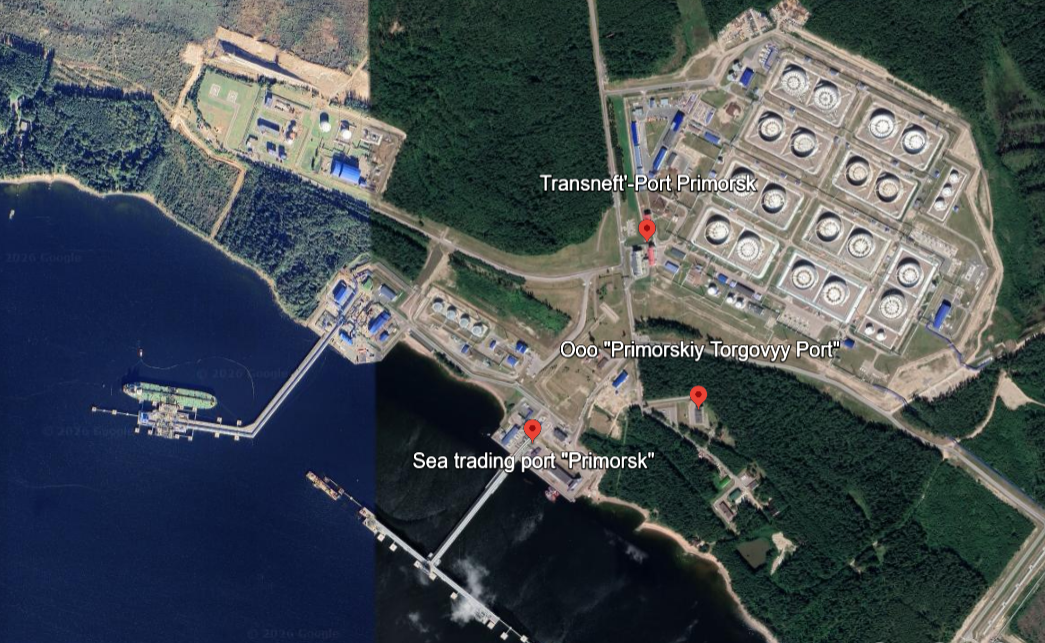
As an example, the Ukrainian Armed Forces have repeatedly struck the oil loading terminal in Primorsk on the Baltic Sea, but fires were localized and the resulting spills along the coast were almost imperceptible. This is likely due to there being adequate distance among the storage tanks, each surrounded by a containment berm designed to “capture” its entire contents in the event of an emergency discharge. As a result, oil leaks are only possible at docking facilities used for loading onto ships.
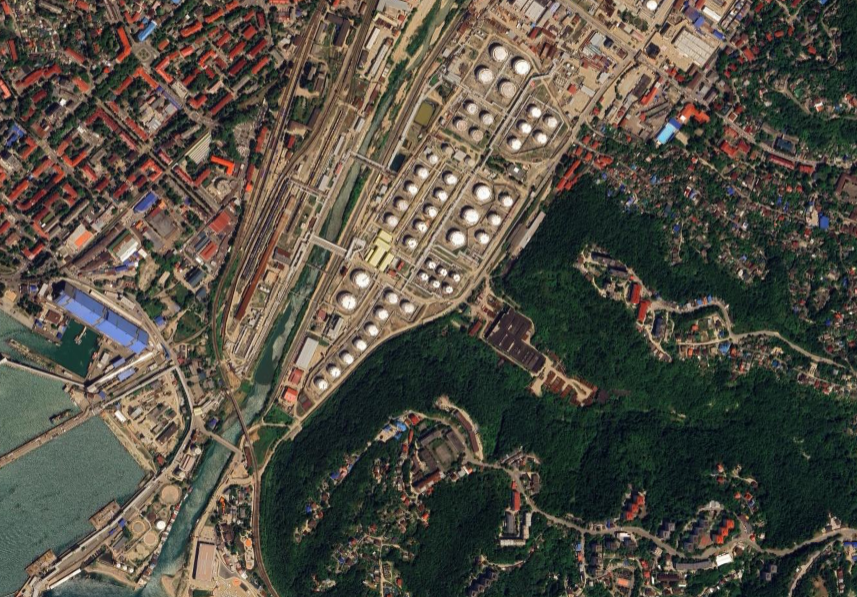
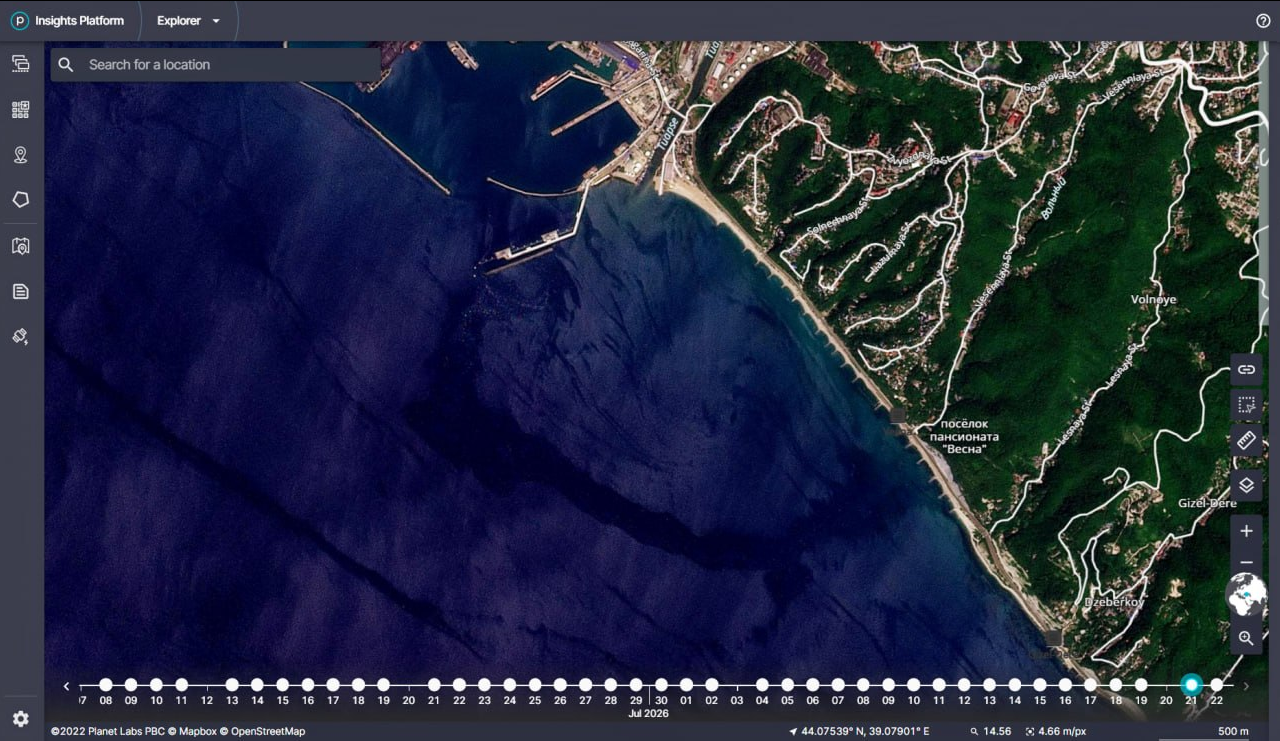
The situation is somewhat different at the Tuapse Oil Refinery, where storage tanks are haphazardly strewn along a river and residential areas, and have minimal containment berms. It is precisely these structural flaws that have made the Tuapse Oil Refinery the most vulnerable to attacks.
Nevertheless, as renowned Krasnodar environmentalist Yevgeniy Vitishko stated in an interview with Forbes, Rosneft’s refinery in Tuapse also has an OSRP. However, it is designed for a spill not exceeding … one metric ton.
That refinery’s daily processing capacity is 24,000 metric tons, and the capacity of each of its 47 fuel tanks ranges from 10,000 to 50,000 metric tons. According to Vitishko’s estimates, approximately 20,000 metric tons spilled into the environment—a volume that far exceeded the capacity of the existing containment system.
“The volumes were simply so large that the entire system failed,” explains Vitishko. As a result, a significant portion of the spilled oil ended up in the Tuapse River. Even then, a significant portion of the spilled oil could have been pumped out of the river if the company had had a realistic comprehensive OSRP as well as the resources to implement it. This was not the case, and the low-capacity booms deployed to contain the oil were insufficient. Shortly after the spill, heavy rains began, and all the oil contained by the booms was washed out to sea.
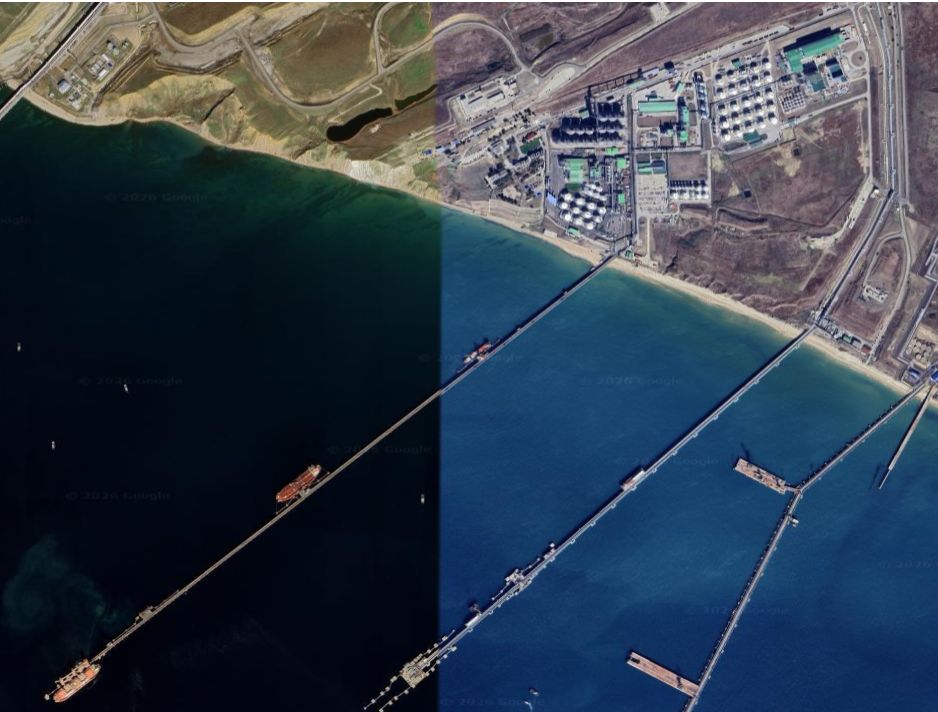
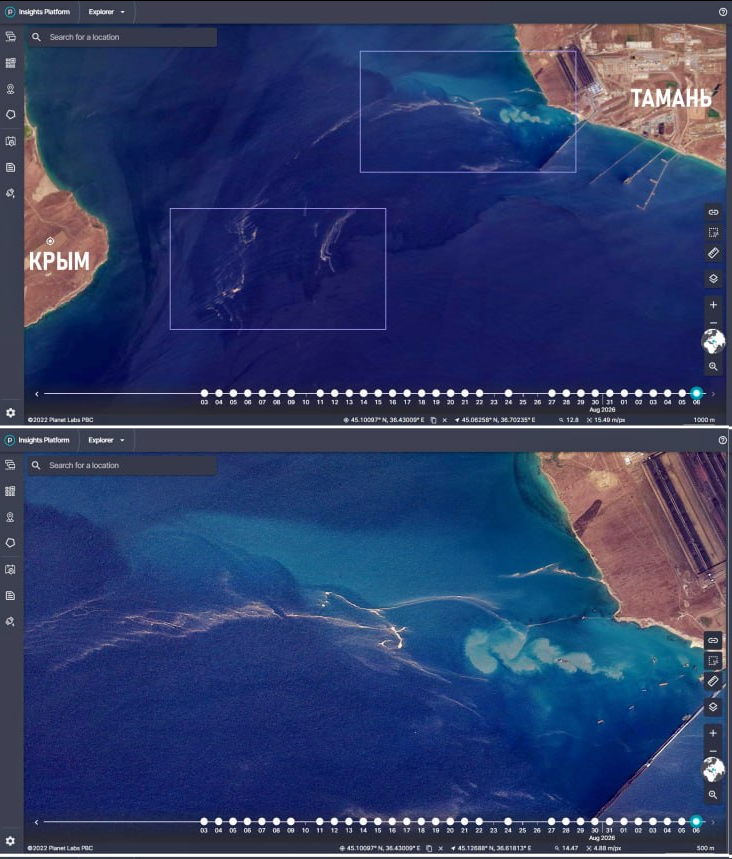
Another highly vulnerable facility was the Taman Transshipment Complex (TTC) for liquefied hydrocarbons (LHC), crude oil, and petroleum products, operated by Tamanneftegaz LLC. During attacks on it (December 2025, January, February, May–June, July 2026 and others), Ukrainian drones struck storage tanks, pipelines, docks, mooring posts and vessels. Damage to oil-filled pipelines and, in particular, to shut-off valves and gate valves at berths and storage tanks led to ongoing leaks of petroleum products under pressure or by gravity.
Tanker attacks intensify starting July 2026
In recent months, drone attacks on ships have increased significantly. For example, in July 2026, more than 200 ships were struck; in August, over 50; and in September, over 30—with approximately half of the targets likely being tankers.
The July escalation was part of Ukraine’s announced “40-day attempt to force Russia to make peace.” The main stated objective was to halt shipments to Crimea and block shipping, first in the Sea of Azov and then in the Black Sea.
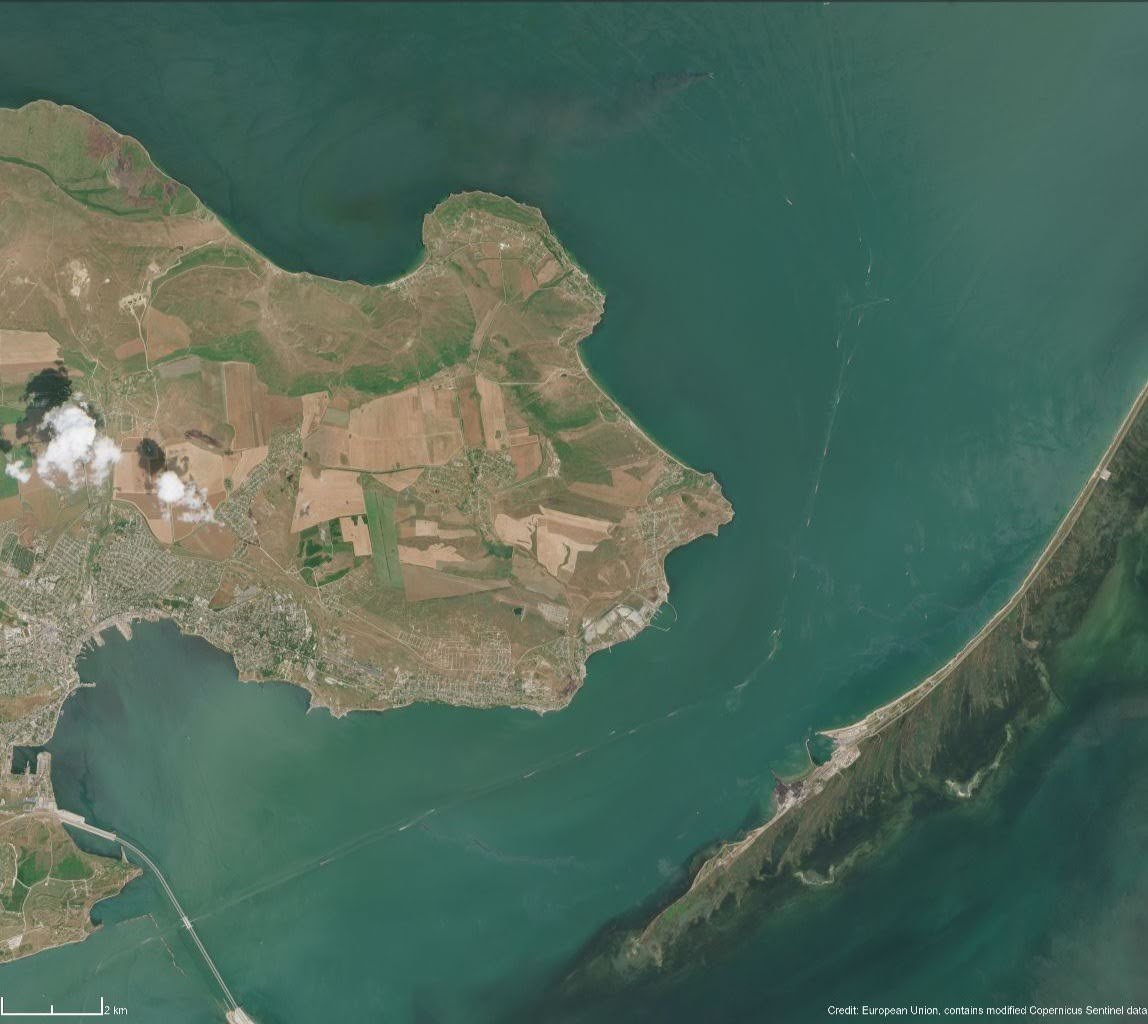
Most of the more than 100 tankers targeted during the operation have a maximum deadweight tonnage of 7,000 metric tons and are primarily engaged in transporting fuel oil and other petroleum products from the Volga and Don basins through the Sea of Azov to deep-water roadsteads in the Black Sea for transshipment onto large shadow fleet export vessels. Recall that in December 2024, the sinking of two such tankers in stormy conditions caused the largest environmental disaster in the Kerch Strait, a spill that continues to this day.
Robert “Madyar” Brovdi, commander of Ukraine’s unmanned aerial vehicle (UAV) forces, provided detailed updates on the progress of this operation on his social media accounts in July. On July 17, 2026, he tersely described its objectives as follows: “Irreversible paralysis of oil, fuel and cargo logistics operating under sanctions. Turn every self-propelled vessel into a drifting barge—blind and deaf. The goal is not to pollute the sea with these oils; therefore, there must be no hull breaches. We will stand firm. Moscow will fall, ….”
When Russian ships had completely ceased transiting the Kerch Strait by mid-July, shelling of ships in the Sea of Azov virtually ended due to a lack of targets, while in the Black Sea, one to two Russian “shadow” ships were targeted daily. The flip side was an intensification of Russian shelling targeting any ships carrying Ukrainian cargo, as well as Ukrainian ports.
Attacks from both sides have virtually halted Ukrainian and Russian exports of agricultural products via the Black Sea. On September 16, 2026, the Joint War Committee (JCW) issued a circular (JWLA-035) expanding the list of hazardous areas in the Black Sea from the coastal waters of Russia and Ukraine to the entire Black Sea, with the exception of the territorial waters of Turkey, Romania, Bulgaria and Georgia. Although this is an advisory document, it will nonetheless lead to a significant insurance cost increases as well as denials of coverage, moves which will further hinder commercial shipping.
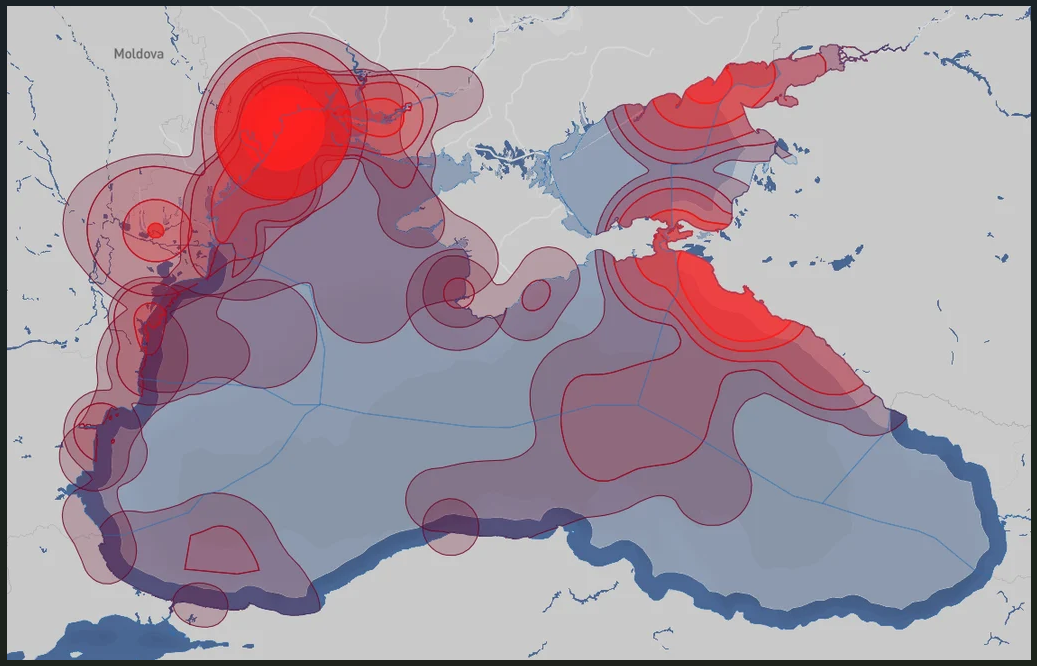
Extent of oil spills
In the Sea of Azov, during a Ukrainian Armed Forces operation in June–August 2026, both empty and oil-laden tankers were targeted by shelling. Although most strikes targeted ship bridges and engine rooms, the widespread shelling of vessels nonetheless led to numerous oil spills in the Azov and Kerch Strait. In particular, large and persistent surface oil slicks are visible in publicly available satellite images in Taganrog Bay, near Kuchugury village, the mouth of the Akhtarsky Limans, Chushka Spit, and in other nearby areas.
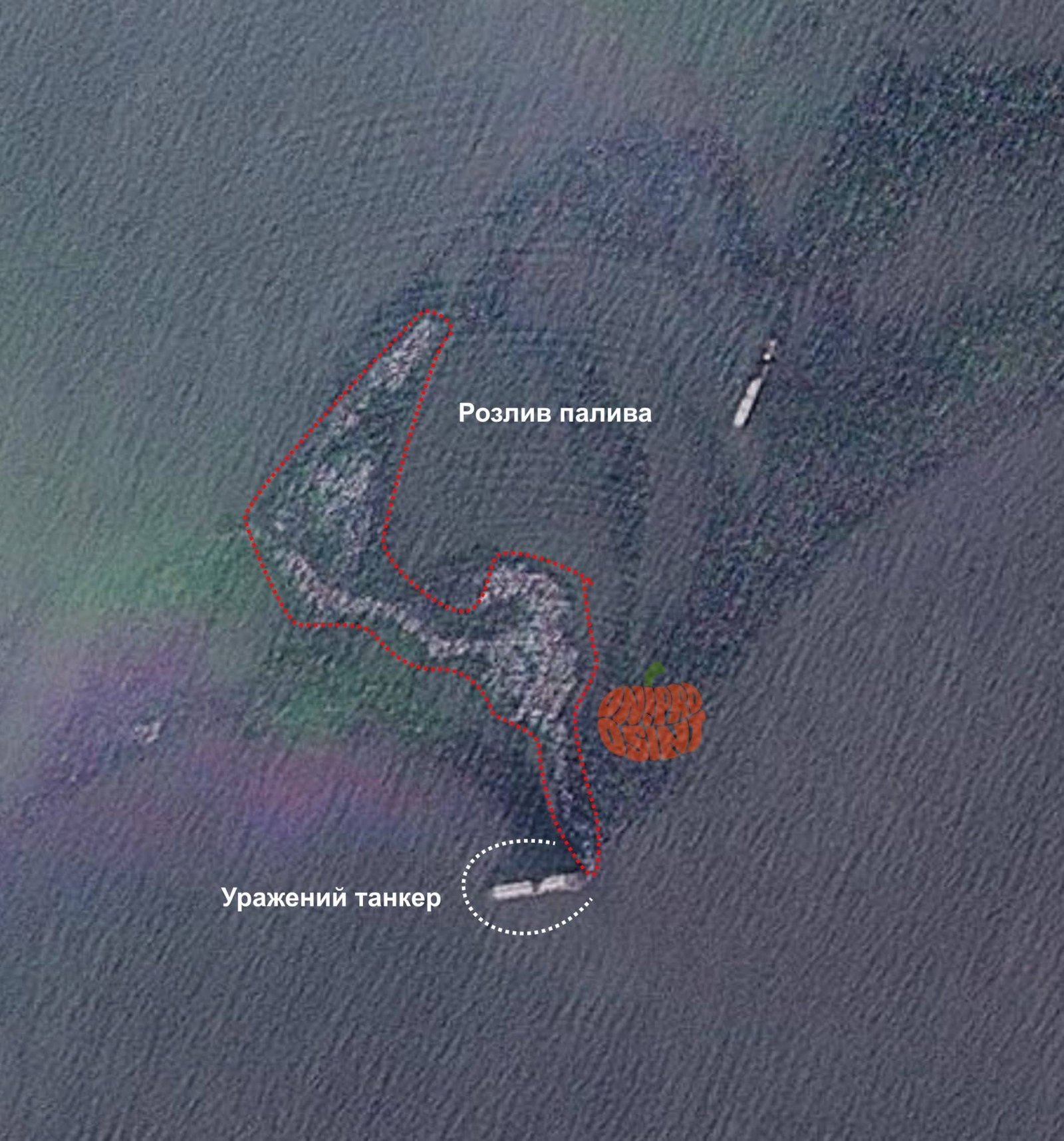
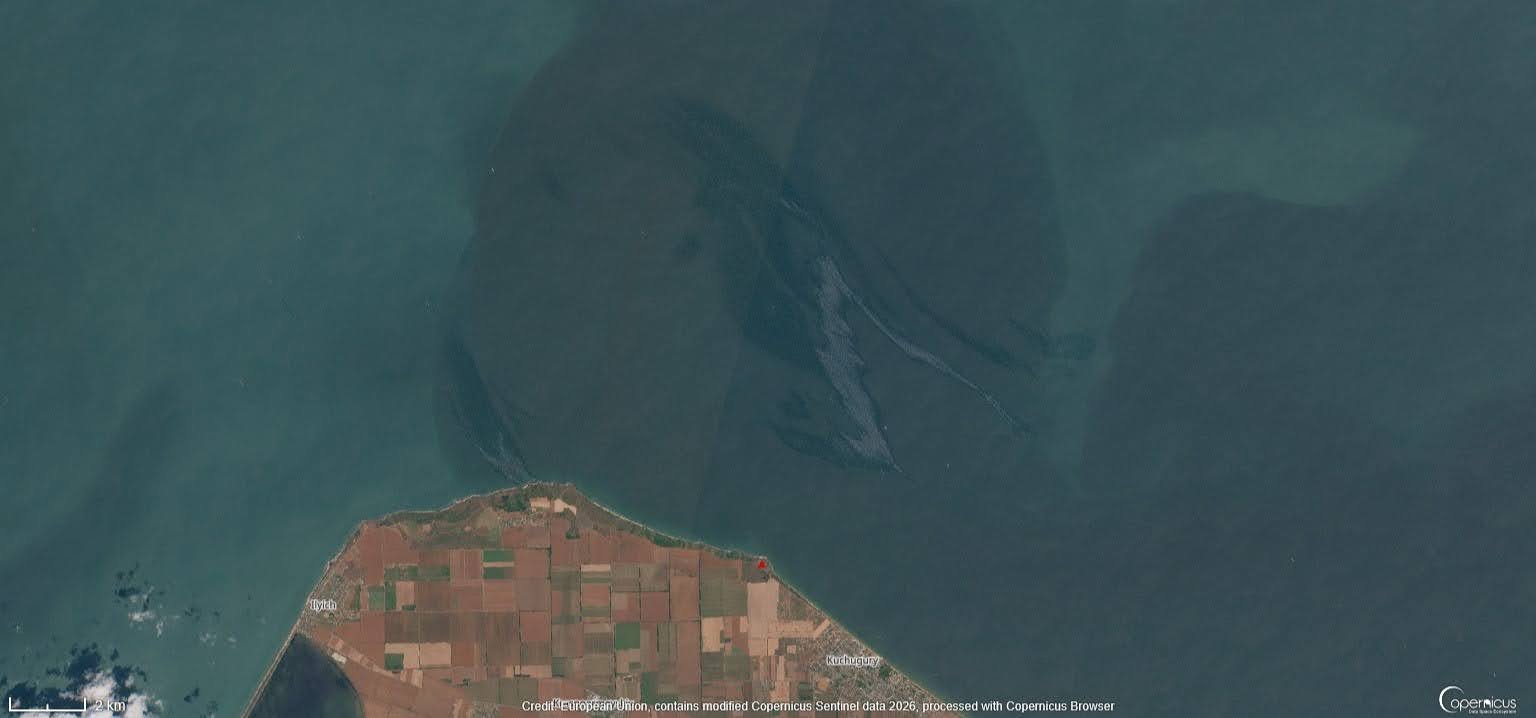
Amidst an ongoing fuel oil leak from two tankers that sank in December 2024 (“Volgoneft-212” and “Volgoneft-239”), numerous additional oil spills were reported as a result of military operations in the Black Sea in 2026. These were primarily leaks from coastal oil-loading terminals and other oil facilities: Kavkaz Port (Chushka Spit), Taman Port (Taman Oil Complex (TNK)), cities of Tuapse and Novorossiysk (at the Sheskharis terminal) and near the Caspian Pipeline Consortium’s oil loading facilities. It has become virtually impossible for Russia’s Maritime Rescue Service to respond to any spills due to the threat of attacks on its vessels, including rescue oil recovery vessels.
While 14 tankers struck by the Ukrainian Armed Forces (UAF) in the Black Sea were identified by name during the first half of 2026, reports from UAF units for July–September 2026 mention many dozens of vessels. Since mid-July, the Ukrainian side has stopped publicly disclosing the types, names and locations of the damaged vessels. The Russian side has almost completely withheld information about specific strikes on vessels, let alone disclosing the resulting oil spills. For example, on August 11, it reported a strike on an unnamed tanker “carrying fuel for the Ukrainian Armed Forces” in the port of Odesa. Nothing more was reported.
Nevertheless, in July and August alone, UWEC Work Group identified and verified information on 13 specific additional damaged tankers. It should be noted that, unlike the shallow waters of the Sea of Azov, large oil tankers (such as the Yasa Polaris, Louise 1, Nordic Zenith and Skiros) designed to transport crude oil and heavy petroleum products on the high seas are being attacked in the Black Sea.
Observations by independent remote-sensing experts, such as Transparent World and Fleetwatch, have revealed “unreported” oil spills resulting from damage to vessels and have documented large oil slicks from unknown sources and the origin of which has not been confirmed by either of the warring parties.
For example, on April 7, 2026, south of the Kerch Strait near “shadow fleet” tanker Sofia—which had not been reported as having been damaged—the Sentinel-1 satellite detected a 12.5 km long U-shaped oil slick. According to preliminary estimates, more than 300–350 metric tons of petroleum products may have spilled into the sea. On April 11, a massive oil slick was visually detected several kilometers off the coast of Vityazevo and Anapa. One of the first signs of the spill was birds that had died from exposure to the oil.
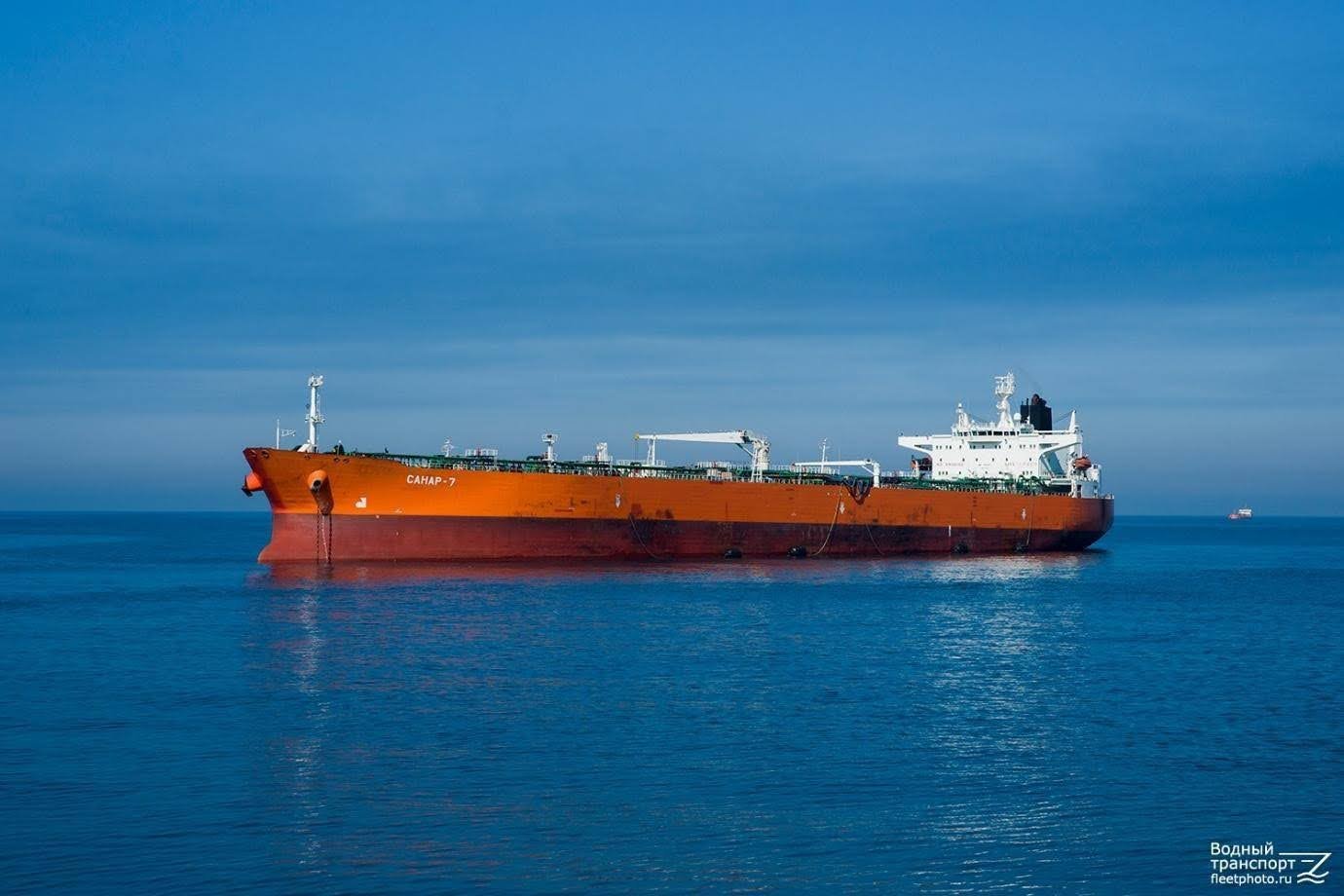
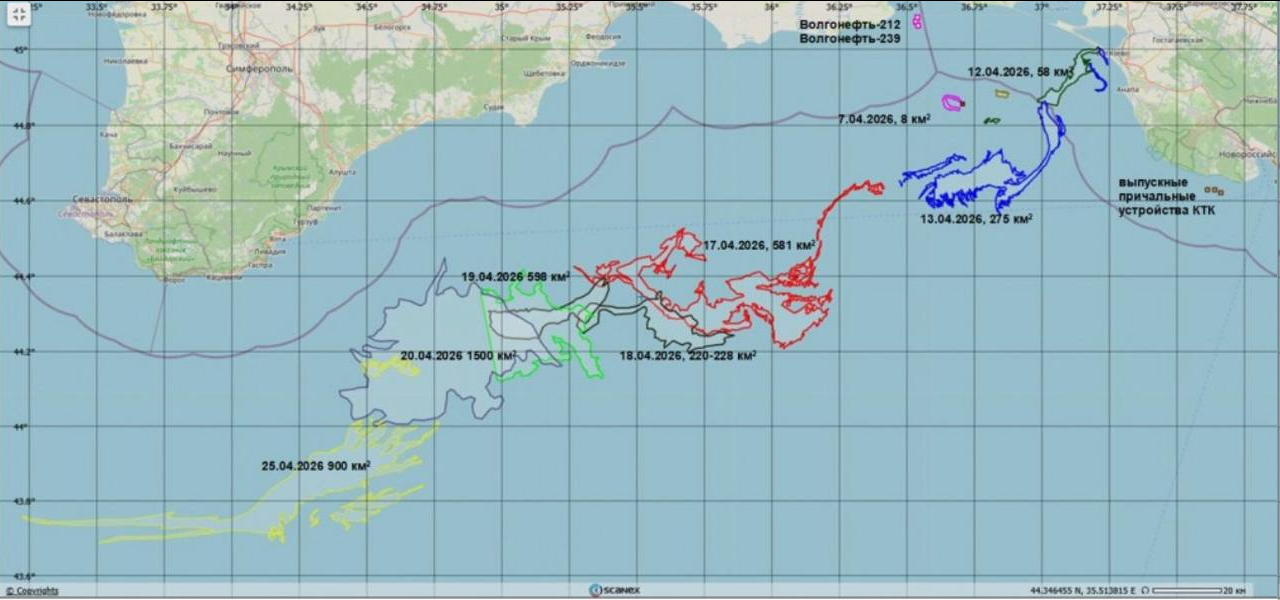
As the war at sea intensified, there were increasing reports of large oil slicks, likely resulting from the shelling of unidentified tankers.
UWEC Work Group identified a large, dense slick covering at least 100 sq km on July 11, 2026, in the middle of the sea between Alushta (Crimea) and Sinop (Turkey) using open access satellite imagery; the slick is clearly visible in both optical and radar imagery. UWEC was unable to determine the source of the spill. A similar unidentified spill in an image from July 9 is described in the RACH article.
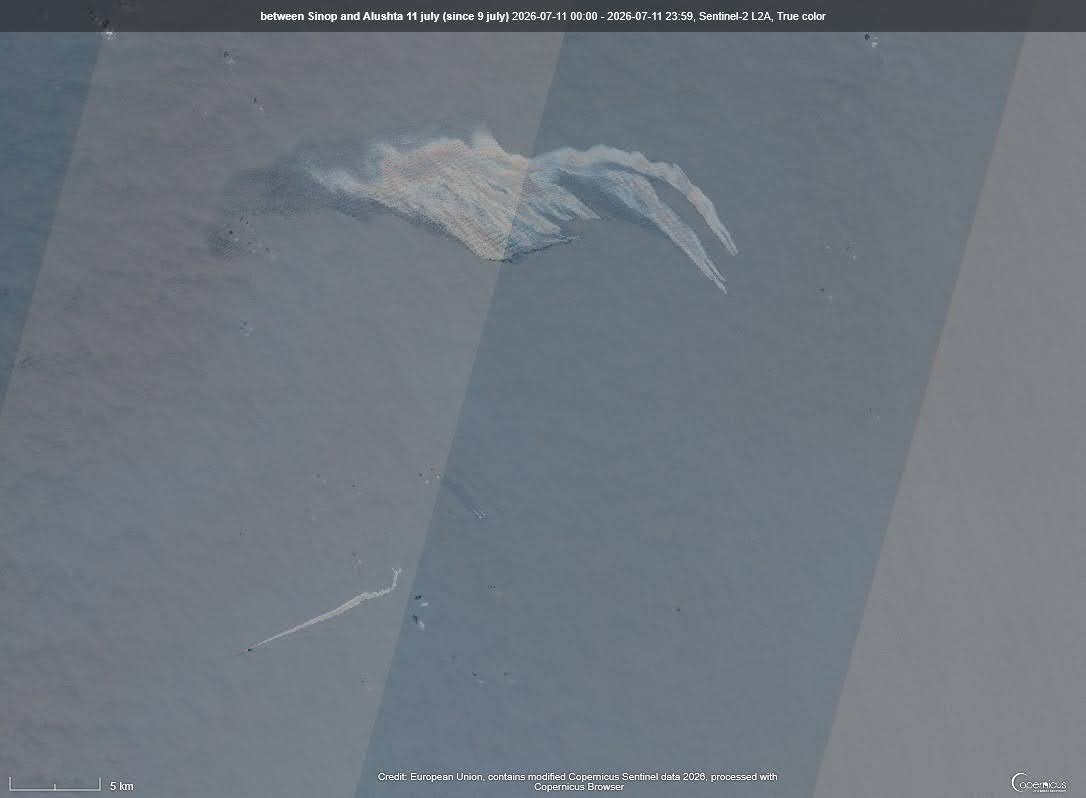
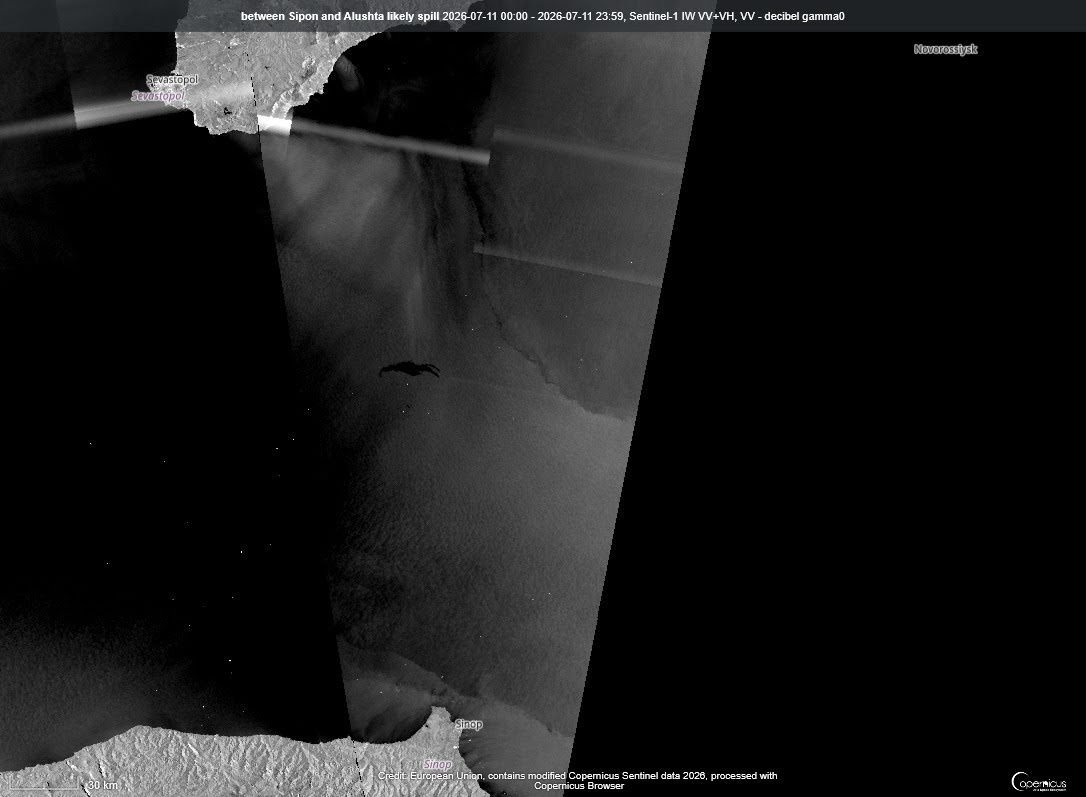
A week later, Pixel Planet experts detected two large spots of a similar nature. On July 17 Sentinel-1 satellite recorded the first, covering an area of about 263 sq km, in the central Black Sea. The next day, another spot covering an area of about 35.5 sq km was detected in the southeastern part of the sea. According to Pixel Planet experts, these are most likely traces of fuel and lubricants left behind after attacks on Russian shadow fleet vessels. Media reports indicate that on the night of July 17, Ukrainian drones struck 12 Russian vessels, including tankers. Three days later, the same experts identified a third patch covering an area of 114 sq km.
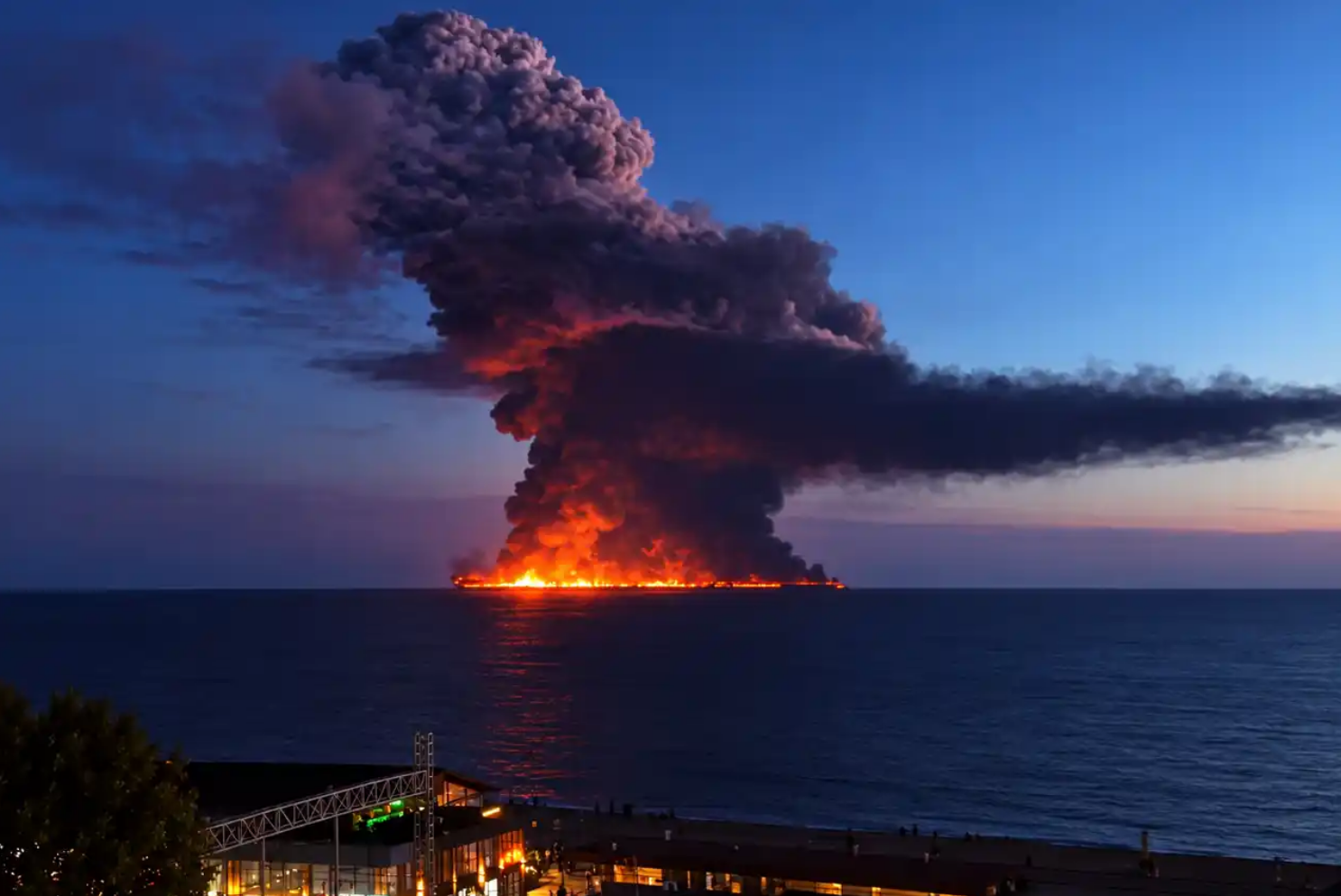
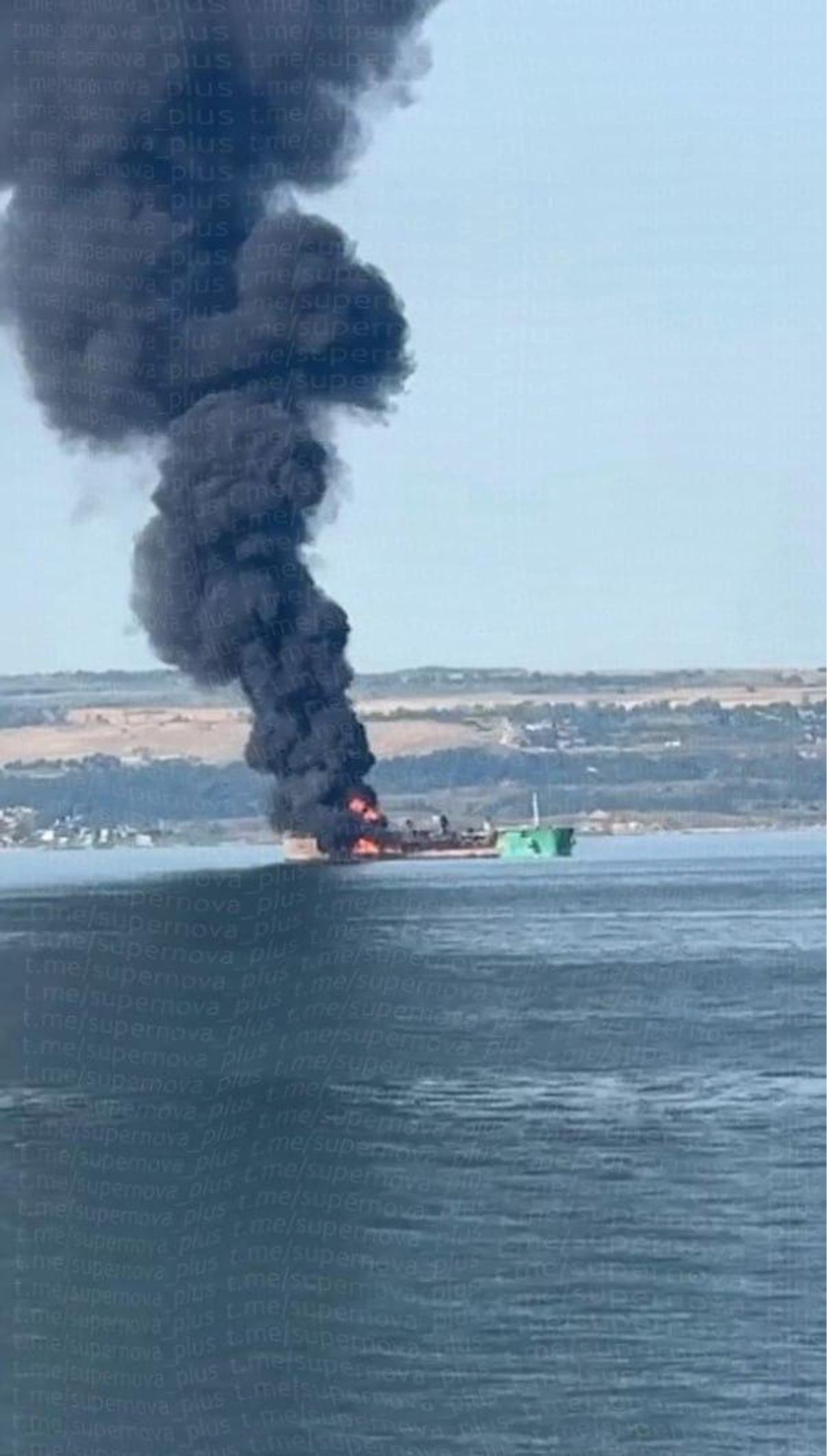
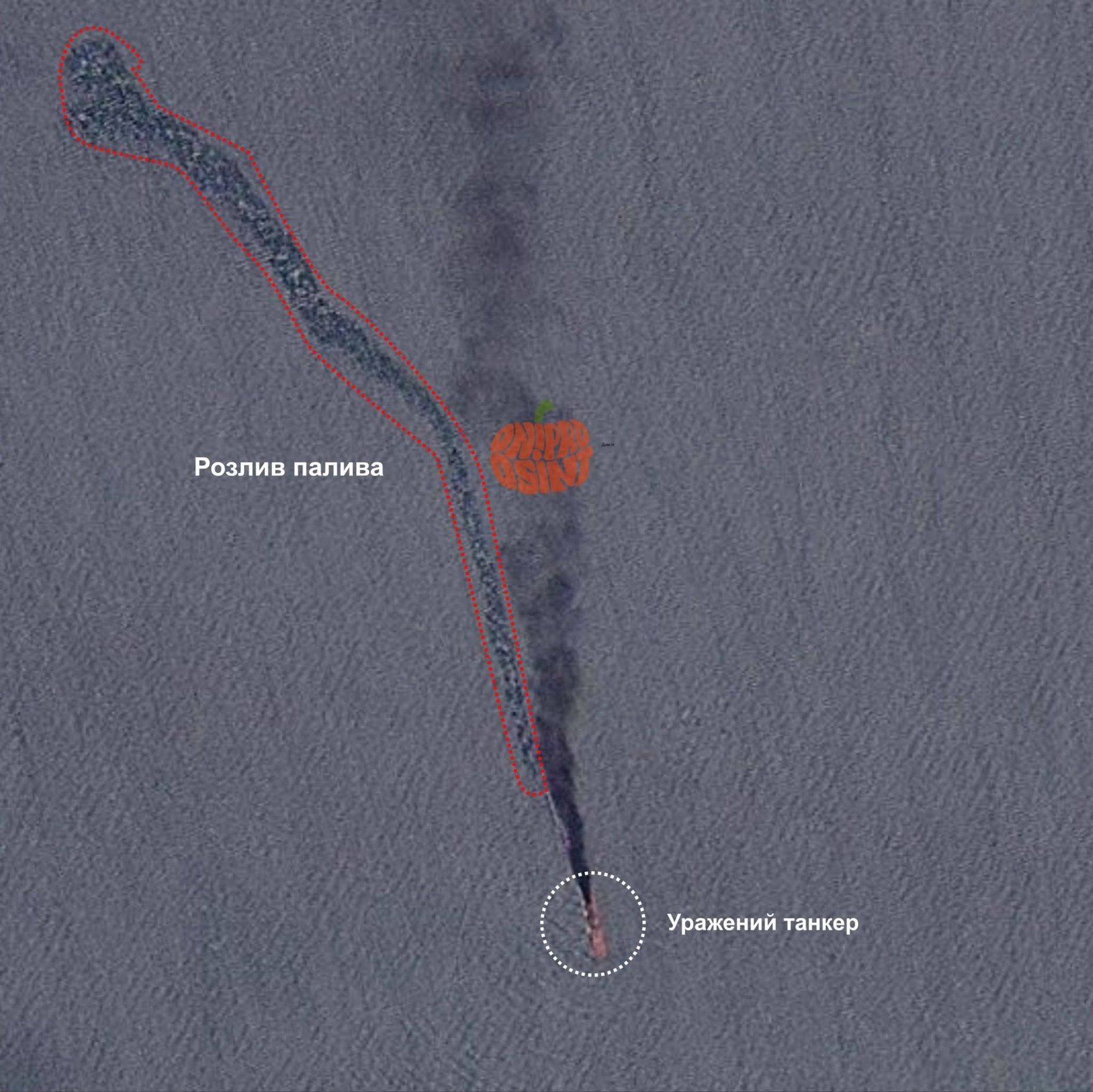
The most spectacular event was the Ukrainian Armed Forces’s use of unmanned boats to strike the 100,000-metric-ton Aframax Rio tanker—another member of the shadow fleet—right in the roadstead near the Russian resort city of Sochi on October 6, 2026. The tanker was transporting up to 100,000 metric tons of crude oil from Novorossiysk to India. The strike led to a massive fire, including one directly on the sea’s oil-slicked surface, and the evacuation of the entire crew. Calm conditions meant that as much as 95% of the oil that spilled from the damaged tanks burned off, significantly reducing the total volume of pollution; consequently, most of the combustion products were released into the air rather than into the sea. Russian authorities stated that there was no water or air pollution but reported that oil booms had been deployed around the tanker. While the tanker was being towed toward Novorossiysk satellite images showed a trail of pollution more than 20 km long and covering an area of about 25 sq km. In Abrau-Dyurso and several other coastal villages, small amounts of oil were observed washing ashore in some areas. Experts who spoke with UWEC on condition of anonymity believe that a smaller portion of the cargo (from 7,000 to 30,000 metric tons, according to various estimates) spilled and burned, and that, overall, thanks to a fortunate turn of events, the attack did not result in a major environmental disaster.
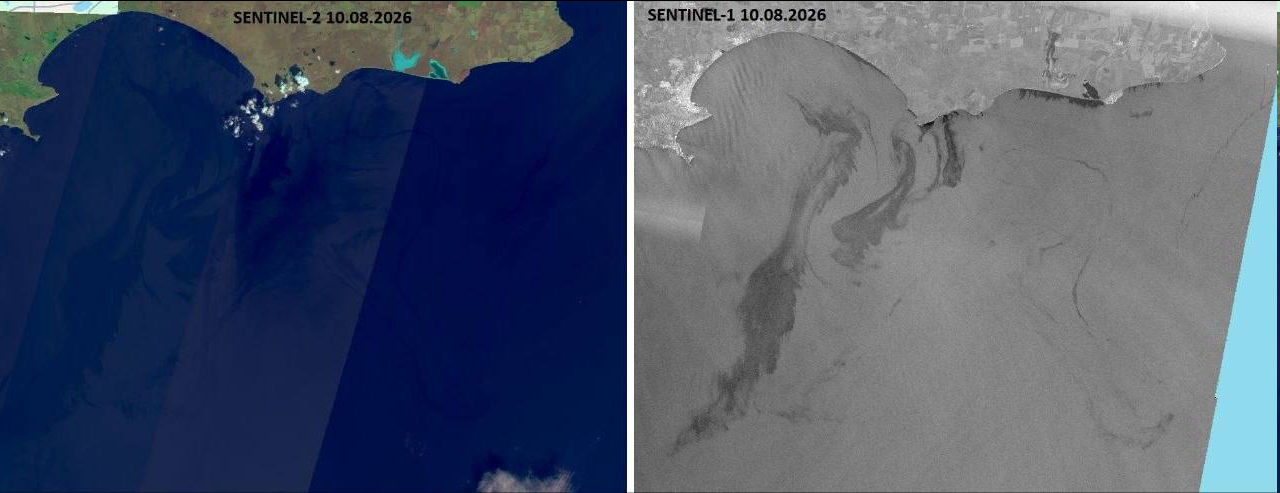
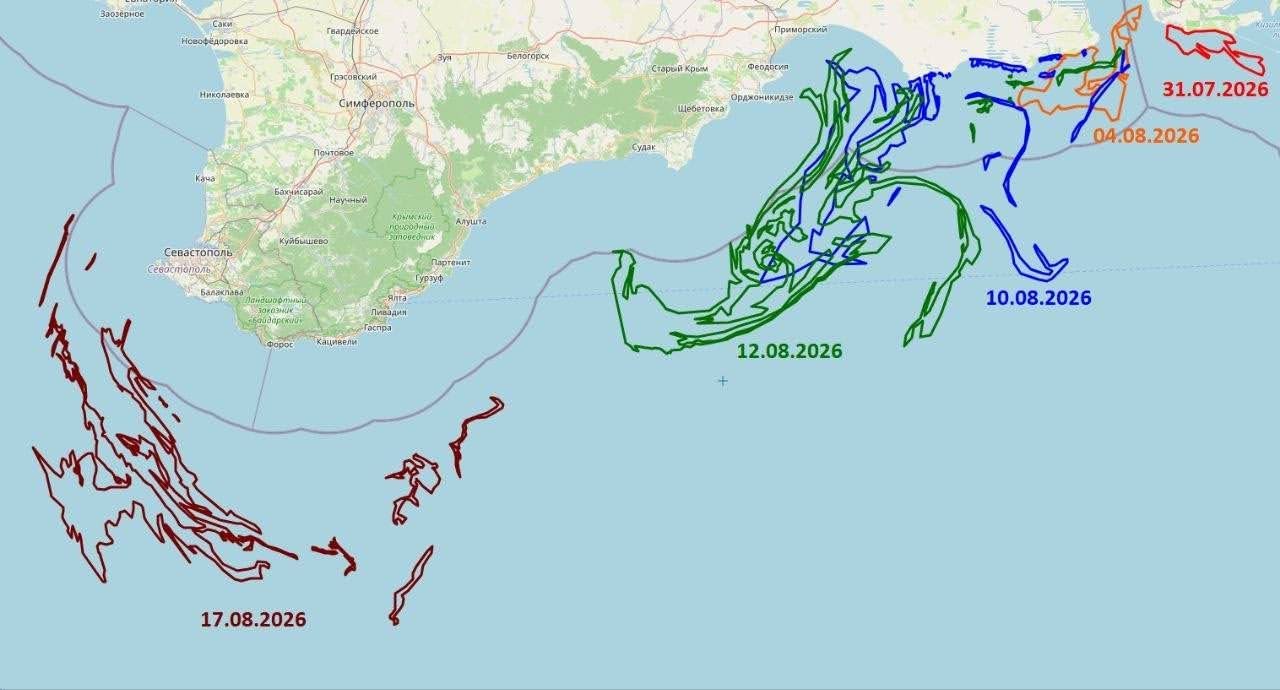
Given the extent of maritime attacks and against the backdrop of chronic peacetime oil pollution, the Black Sea is receiving ever-increasing additional volumes of wartime pollution as a result of the shelling of ships and coastal oil facilities. This oil spreads throughout the sea and moves under the influence of winds and currents as well.
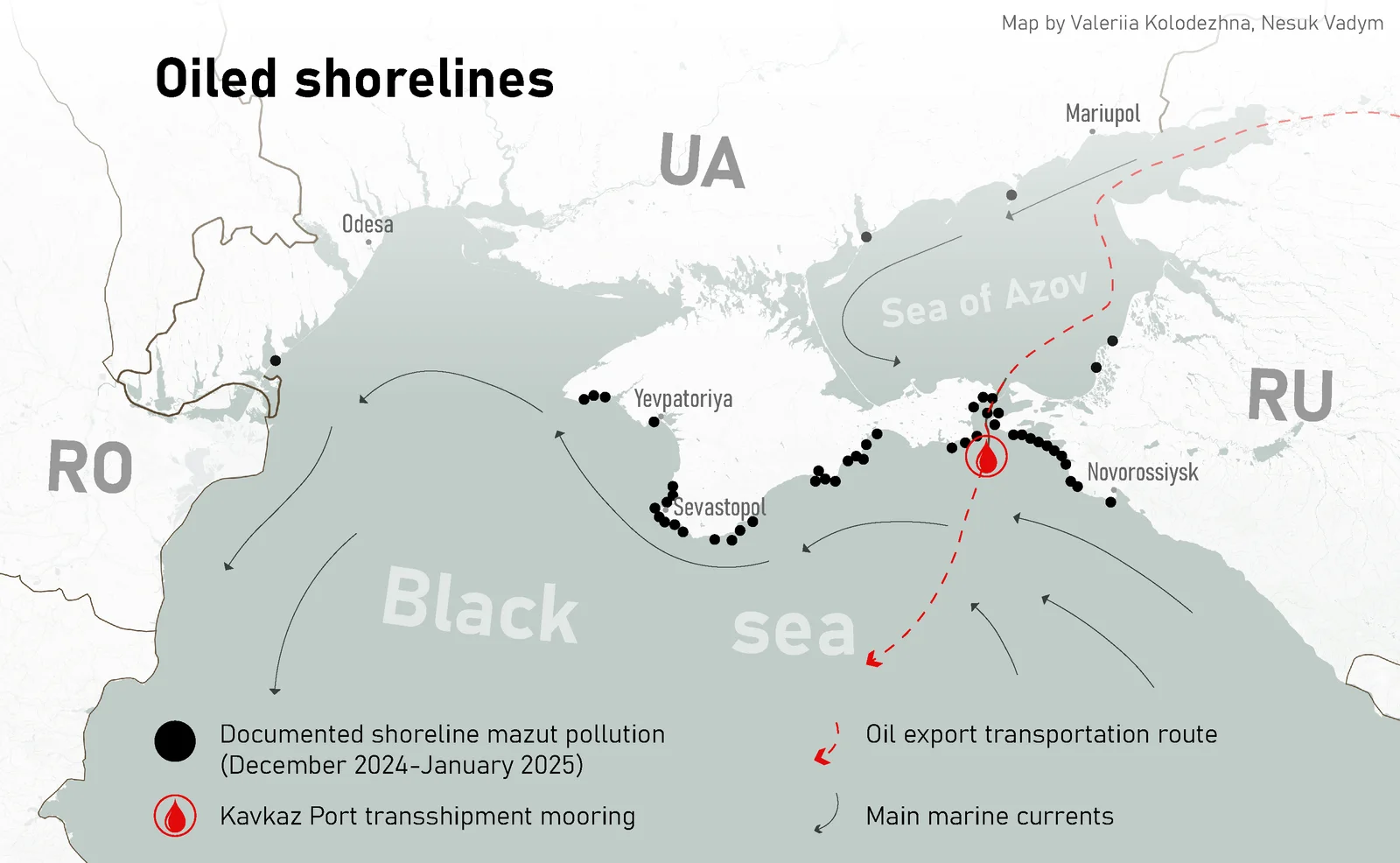
The Black Sea possesses a persistent counterclockwise water current. The twin tanker disasters in the Kerch Strait in December 2024 confirm that no matter where a major oil spill occurs off the coast of the Russian Federation, the Black Sea’s circulation will inevitably carry the resulting oil slicks toward occupied territories in Ukraine and points further west.
Potential environmental impacts on marine ecosystems
UWEC analyzed the environmental consequences of oil spills using the example of the largest spill that occurred in the Kerch Strait in 2024.
The Sea of Azov is a truly unique body of water. According to Pavel Goldin, a biologist at the National Academy of Sciences of Ukraine, the Sea of Azov is “the deepest point where the Atlantic enters the mainland of the Old World between Europe, Asia and Africa. Because of this very specific location, it has historically been extremely rich in biodiversity, especially in fish stocks.”
However, its geographical features make this ecosystem extremely sensitive. As Marta Litinskaya, a water treatment researcher at the National Technical University of Ukraine, explains, due to its small size, shallow waters, and semi-enclosed nature, the Sea of Azov is particularly vulnerable to external threats: “The Sea of Azov is connected to the Black Sea only by the narrow Kerch Strait, which leads to the very slow removal of pollutants from the water.”
This vulnerability has already led to a noticeable decline in the region’s biodiversity. According to the Southern Scientific Center of the Russian Academy of Sciences: “Throughout the history of research, more than 140 species of fish and lampreys have been recorded in the Azov Sea basin. Today, the diversity of the sea’s ichthyofauna has declined to approximately 80 species, six of which are relatively recent introductions or acclimatized species. Scientists point to overfishing, anthropogenic water pollution and the introduction of new fish species against the backdrop of the sea’s salinification and other contributing factors as the causes of this decline.”
One of the main threats in recent years has been oil spills, which directly impact food chains. In Krasnodar Krai, Kuban TV channel aired a report stating that in late July 2026, a massive fish dieoff was observed on the Azov Sea coastline near Kuchugury in the Slavyansky District, including the Red Book-listed Russian sturgeon. This event is most likely linked to oil spills resulting from attacks on tankers, as oil slicks block oxygen from reaching the water, causing fish and other aquatic life to die from oxygen deprivation.
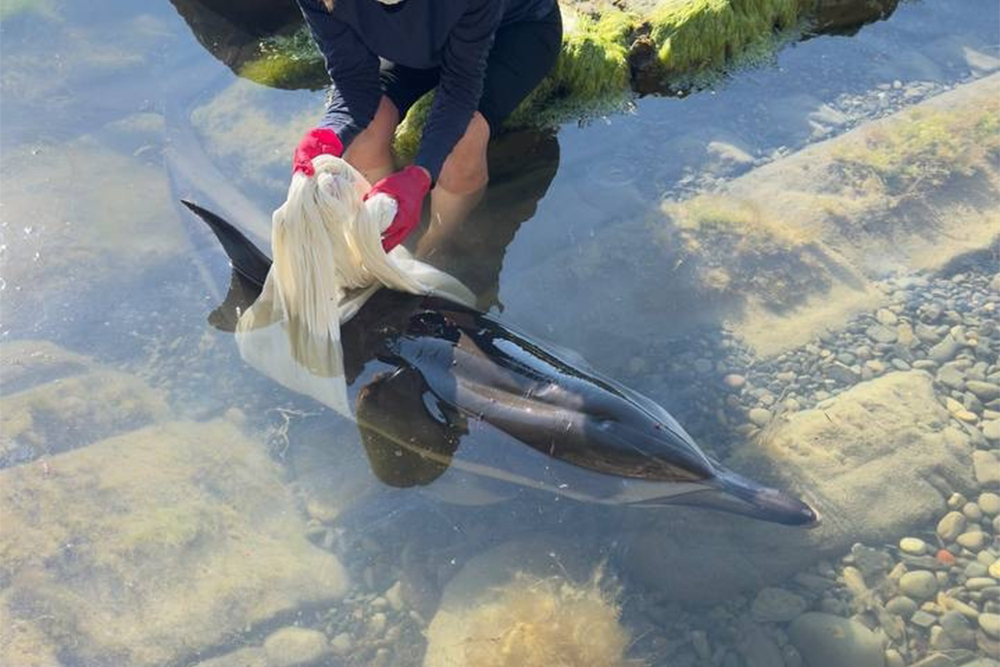
In addition to fish, birds are also severely affected. The primary mechanism by which oil spills negatively impact waterfowl is the disruption of thermal insulation and waterproofing, leading to death from hypothermia and loss of buoyancy. Fish-eating dolphins also fall victim to spills; however, veterinary authorities seize dolphin carcasses and provide no information about the causes of death.
Environmental media “Kedr” cites monitoring data: in the first half of 2026, 630 cetaceans (including two species of dolphins and Azov porpoises) were recorded as having died in the Krasnodar Krai, whereas only 688 such deaths were recorded for the entire previous year.
According to experts interviewed by the Kuban-based publication “Argumenty i Fakty,” the significant increase in dolphin mortality may be linked to the effects of oil pollution in the Black Sea off the coasts of Anapa and Tuapse. All of the deceased animals examined showed severe, irreversible damage to the liver, pancreas and kidneys, which may indicate previous exposure to toxins.
The Russian newspaper RG.ru reports that in May–June 2026, an epizootic disease outbreak was recorded among bottlenose dolphins (33 dead animals), presumably due to weakened immunity subsequent to the oil pollution in their habitat.
What can be done to protect our seas: solutions
The catastrophic situation with oil spills in the Azov-Black Sea basin is part of an alarming global trend of mounting environmental costs resulting from wars at sea. After analyzing the environmental consequences of modern maritime conflicts both off the Black Sea coast and in the Middle East (Red Sea and Persian Gulf) researchers at Dutch organization PAX, concluded that international rules restricting methods of warfare have fallen hopelessly behind the reality of modern warfare. New technologies, such as the use of maritime drones and strikes against old shadow fleet tankers using AI-guided UAVs, are causing irreparable damage to ecosystems.
PAX proposes several key steps to protect the marine environment:
- Establishment of ecological safety zones. Unique natural water bodies, nature reserves, and breeding grounds for vulnerable species (such as cetaceans) should be designated as fully demilitarized zones (the Sea of Azov is cited as one example of a valuable, vulnerable area). Combat operations, the use of sonar and mine-laying in such waters must be strictly prohibited or restricted.
- Assessment of the environmental risks of military operations. When planning attacks using surface drones and artificial intelligence, the military must assess the environmental consequences. The goal is to avoid strikes that are highly likely to result in large-scale leaks of toxic substances. (Furthermore, according to UWEC, strikes against loaded tankers entail unjustified risks);
- Pollution data transparency. States must stop concealing the true extent of pollution. The open exchange of satellite data and access for environmentalists are critical for the rapid cleanup of oil spills and the rescue of animals;
- Inevitable Punishment. Large-scale and long-term destruction of the marine environment must be unequivocally classified as an international war crime, and those responsible must be held truly accountable. PAX provides a detailed justification for improvements to a dozen specific international legal instruments that determine liability and punishment of responsible parties.
An expert on marine environmental issues, interviewed by UWEC on condition of anonymity, suggested adding to PAX’s “very reasonable and well-founded” recommendations the urgent development of a separate, specialized convention on protecting seas from the negative consequences of military activities. According to the expert, the desired changes cannot be achieved solely by improving existing legal mechanisms.
However, even the very best recommendations will remain nothing more than words on paper without political will. Saving the oceans requires the international community to acknowledge a simple fact: nature must not remain a silent and powerless victim of war.
Main image source: ponomaroleg.com