
Israel demonstrates how environmental security can be integrated into national defense and diplomacy. Climate risks are treated as threat multipliers affecting water, food, migration and regional stability. Israel’s National Adaptation Plan incorporates climate risks into defense assessments and allocates significant funding for monitoring and the development of resilient infrastructure.
Advanced environmental monitoring relies on satellite data, sensors and mobile technologies to track pollution, fires and ecological threats in real time. Water security is a strategic priority: desalination supplies about 85% of drinking water, and wastewater recycling reaches 90%. Environmental diplomacy, including regional technology-sharing platforms, seeks to reduce the likelihood of resource-related conflicts.
Israel’s model shows how climate adaptation, defense planning, and environmental diplomacy can work together to strengthen national resilience.
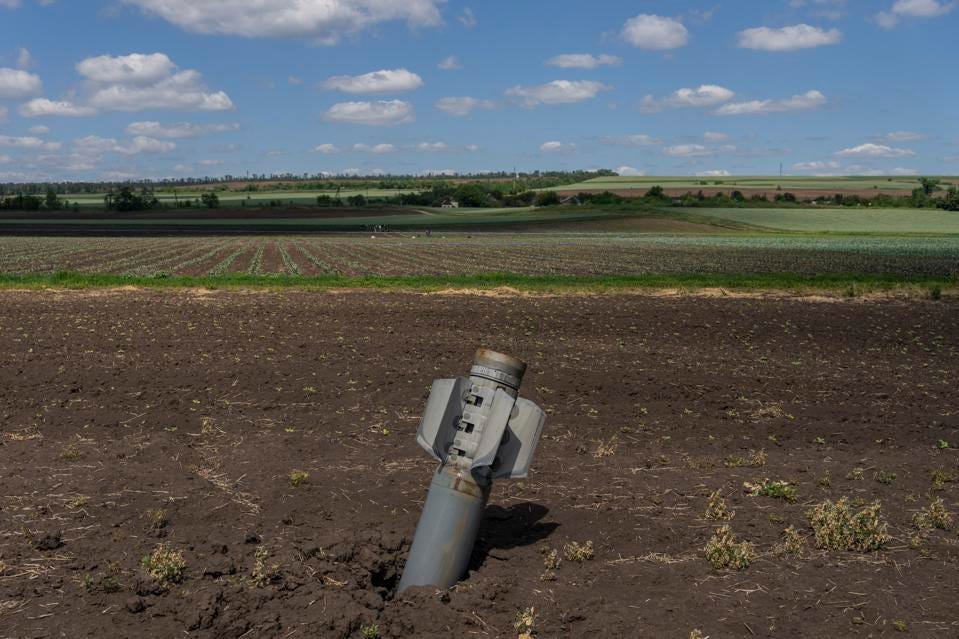
At the same time, Palestine and Lebanon contend with severe environmental damage caused by military operations. In Gaza, water contamination, destroyed treatment facilities and toxic debris threaten public health and food security. In Lebanon, fires, oil spills, asbestos and contamination by white phosphorus have damaged ecosystems and agricultural land.
While legal frameworks exist, their implementation is weak. Palestinian and Lebanese legislation recognizes environmental protection as a matter of public safety, but enforcement and institutional capacity remain limited. The Middle Eastern example shows that declarative laws are insufficient without monitoring systems, funding and integration into security policy.
For Ukraine, these lessons highlight the need to integrate environmental security into defense, diplomacy and recovery strategies. Israeli practices relating to climate risk assessment for defense, precision agriculture, and environmental monitoring technologies provide scalable models for resilience during war and the post-war period.
Recent posts:
- How new technology is helping make Ukraine’s demining process greener
- Building Back Business as usual: Can the Rapid Damage and Needs Assessment provide strategic planning support for green rebuilding of Ukraine?
- LNG dependency poses a risk to Europe’s climate ambitions
- Four years of full-scale war in Ukraine: the environmental perspective
- Russia’s attacks on vegetable oil facilities open a new front in its war on Ukraine