Maria Shevchuk
How is Russia’s full-scale invasion of Ukraine related to the spread of invasive species in the Black Sea, and who are the new arrivals? Do these “underwater migrants” pose a threat to the Black Sea ecosystem? We asked Ukrainian marine biologists how aquatic biodiversity is changing in the region.
During the summer of 2025, a number of regional news headlines highlighted worrisome changes to the Black Sea ecosystem. “Residents of the Ukrainian Black Sea region asked to report sightings of invasive predatory fish,” read one; “Reproduction of American blue crab recorded in the Black Sea,” read another. These developments are partly attributable to climate change, which is creating favorable habitats for new species in the sea and its adjacent waterways, but Russia’s full-scale invasion of Ukraine has also had a significant impact on ecosystems and helped facilitate the spread of invasive species. For example, the sabotage of the dam at the Kakhovka hydropower plant released vast amounts of freshwater and aquatic life, with direct consequences for marine populations downstream. The disaster was responsible for a new chapter in the history of invasive species in the Black Sea.
The good, the bad and the ugly
In recent years, an increasing number of new inhabitants have been recorded in the Black Sea. One of the most notable newcomers is the Korean sea bass. Prior to the disaster at the Kakhovka Reservoir, it was not found off the Odesa coast, but it is now becoming a common species and is caught regularly by fishers. Several new species of various small invertebrates have also appeared in the Sukhyi and Tylihul estuaries in southern Ukraine. It is not always clear whether these developments are directly related to the war or whether the Korean sea bass simply previously escaped notice—until it reproduced in sufficient numbers.
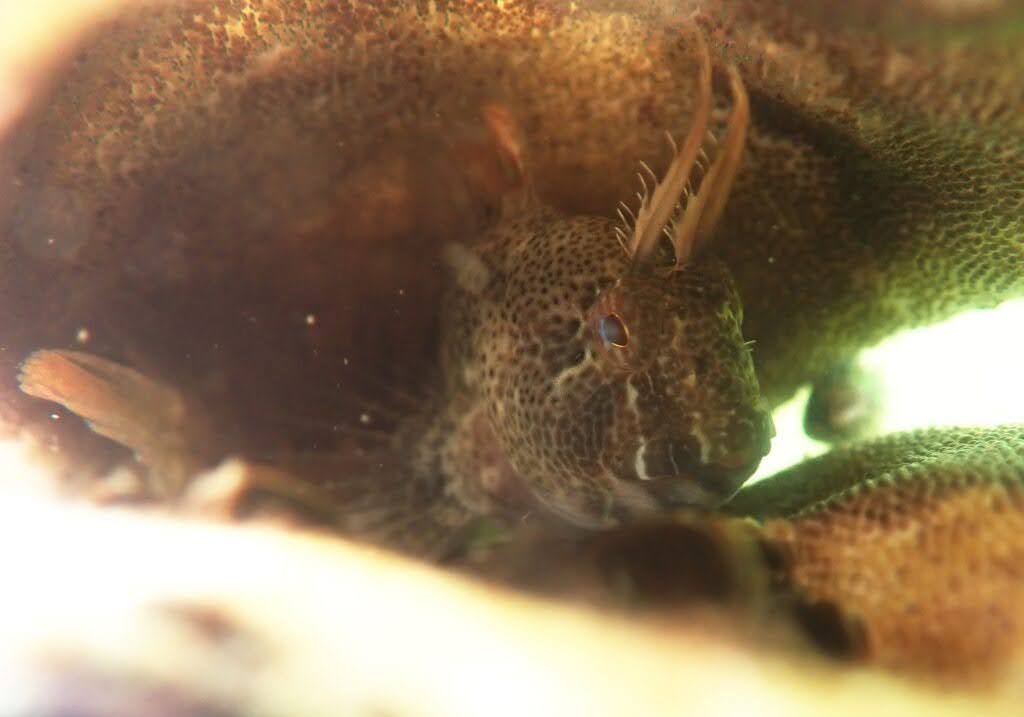
While scientists are currently monitoring the emergence of these new species, the final results will only be visible five to six years after the end of the war. Firstly, this is because it takes a long time for new populations to form. Secondly, changes do not immediately attract the attention of researchers, especially since most of Ukraine’s Black Sea regions are currently inaccessible to researchers due to the war. And even with full access to all possible study areas, some species—such as the Atlantic blue crab (Callinectes sapidus)—remain a challenge.
“The problem is that this is a species that’s quite difficult to encounter on regular expeditions,” explains Mykhailo Son, a senior researcher at the National Academy of Sciences of Ukraine’s Institute of Marine Biology. “It’s very mobile and swims fast, evading standard monitoring methods like trawls or the dredges used to collect bottom samples,” he says, adding that this crab is more often seen by divers, caught in nets by fishers, or spotted by holidaymakers. “A specimen with eggs was recently found and genetic analysis was performed on it—a first for Ukraine—to determine the reproduction patterns of this species,” he adds.
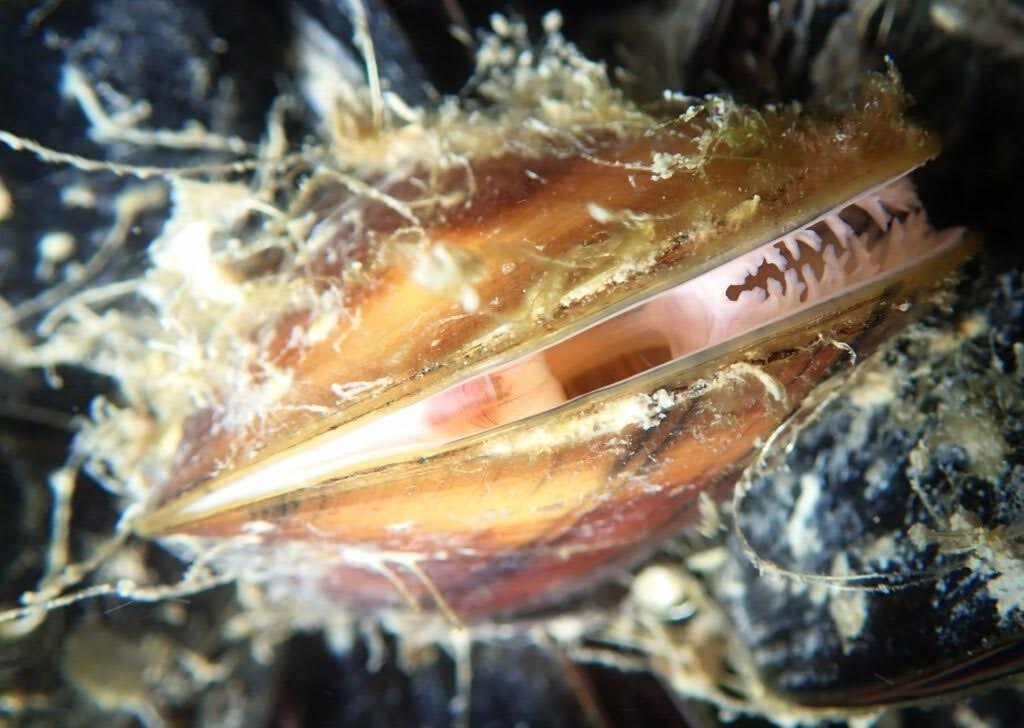
Blue crab sightings have been recorded in the Black Sea for decades. However, over the past 20 years, the species has become more widespread, largely as a result of climate change, Russia’s occupation of Ukrainian territory—particularly Crimea in 2014—and the war that has been raging in Ukraine for the last 12 years. While such discoveries were pretty rare in the late 20th and early 21st centuries, stable populations are now observed. The situation is similar for other species in the rivers of the Black Sea region.
For example, the East Asian river prawn (Macrobrachium nipponense) has recently spread to the mouth of the Danube. Some of its subspecies, such as the giant river prawn (Macrobrachium rosenbergii), reach gigantic sizes. While it has been observed in the Odesa region for quite some time, its numbers have increased significantly over the past five–six years, as a result of climate change and the full-scale Russian invasion. The prawn has adapted particularly well to the Danube, which offers it optimal conditions. During an expedition to the region in summer 2025, Mykhailo Son photographed a prawn larger than a human palm. Regardless of where you set a net, you are guaranteed to catch a prawn.
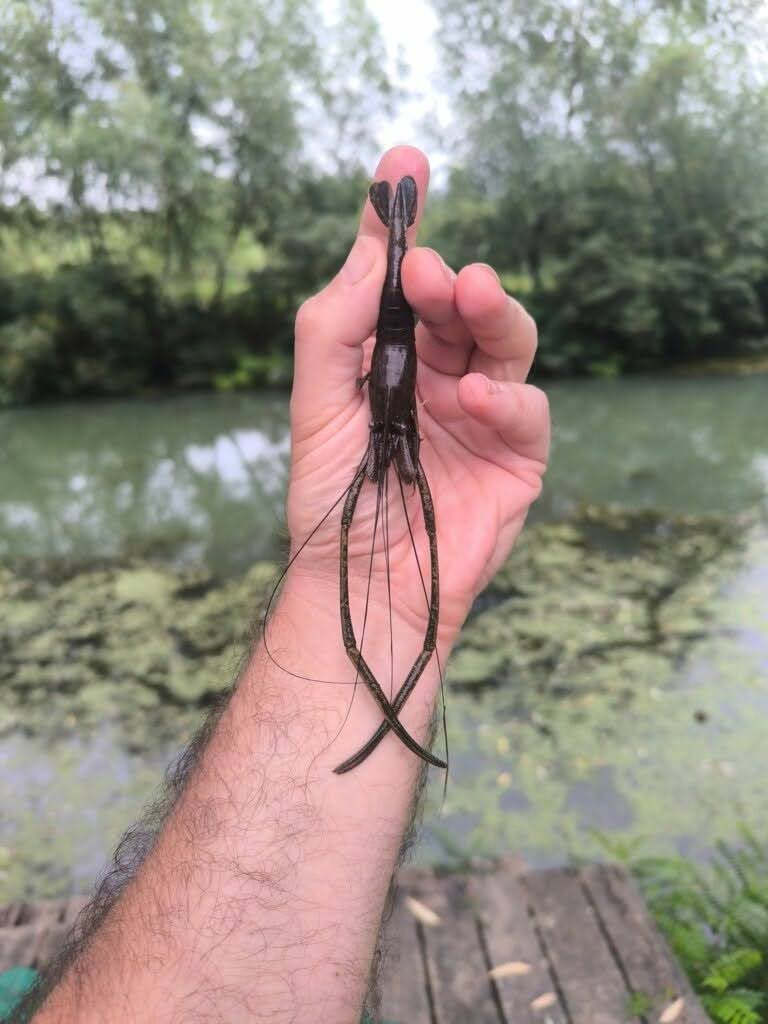
This species is edible and, unlike crayfish, is not subject to fishing quotas. Since it is an invasive species, it is also not protected. In recent years, it has become increasingly popular among Danube fishermen for commercial sale. Prawns can fetch from 700 to 1,000 hryvnias (14-20 euros) per kilogram. And unlike crayfish, which is subject to spawning season bans and restrictions, they can be caught year-round. However, the reproduction and spread of invasive species poses potential risks that could have a negative impact on other marine and estuary inhabitants, as Son explains.
“We never know all the risks associated with the introduction of an alien species. It’s possible that diseases will spread from prawns to local crayfish. When we had healthy crayfish on the Danube, the Soviet Union used to export hundreds of kilos of them,” he says, recalling that live crayfish would be flown to France daily from a local airport near Lake Katlabukh in the Odesa region. “This is nothing compared to what we have now. Crayfish are very susceptible to various parasites and infections. In Europe, most of the native crayfish have died out from crayfish plague and have been replaced by their American relatives,” he says.
Commercial fishing is also a way of regulating invasive species. East Asian prawns also provide financial support to the local population, who are now actively involved in catching and selling them.
Invasive species: what are the risks?
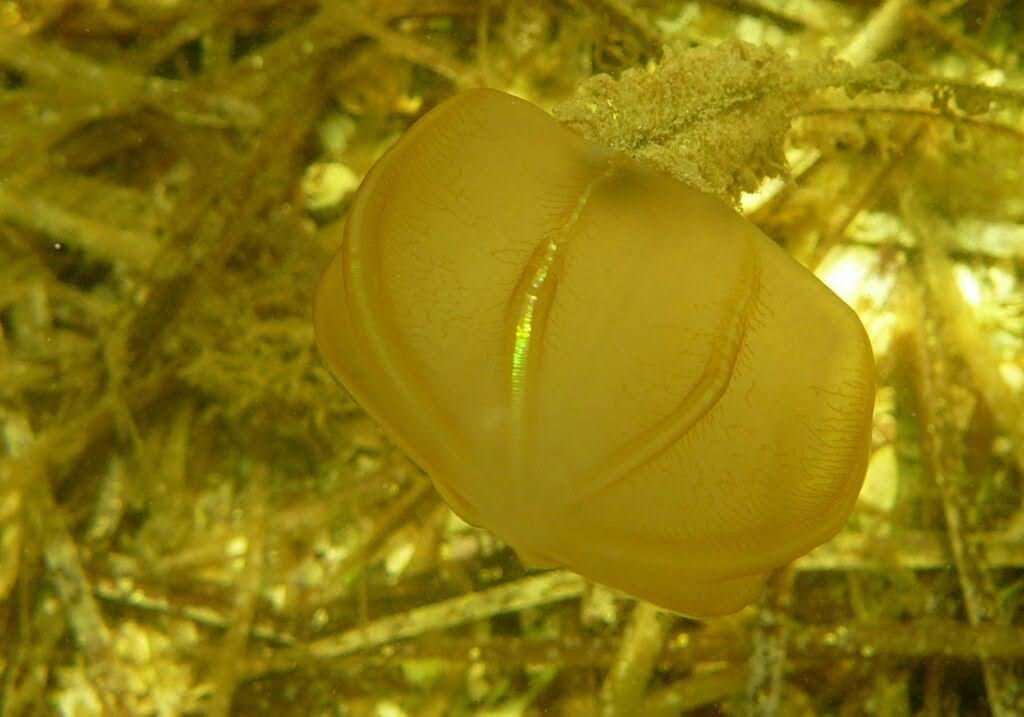
The main risk invasive species pose to any ecosystem is that they compete with and displace native species. According to Pavel Goldin, a leading researcher for the I. I. Schmalhausen Institute of Zoology at the National Academy of Sciences of Ukraine, the most vivid example of invasion is the way human beings spread across the globe. When humans arrived in previously uninhabited areas, the animals native to those areas were unadapted; they had no fear of humans and didn’t know how to hide from them. The Black Sea ecosystem was disrupted in a similar fashion by two invaders whose arrival had catastrophic consequences: the rapa whelk (Rapana spp) and the comb jelly (Mnemiopsis leidyi).
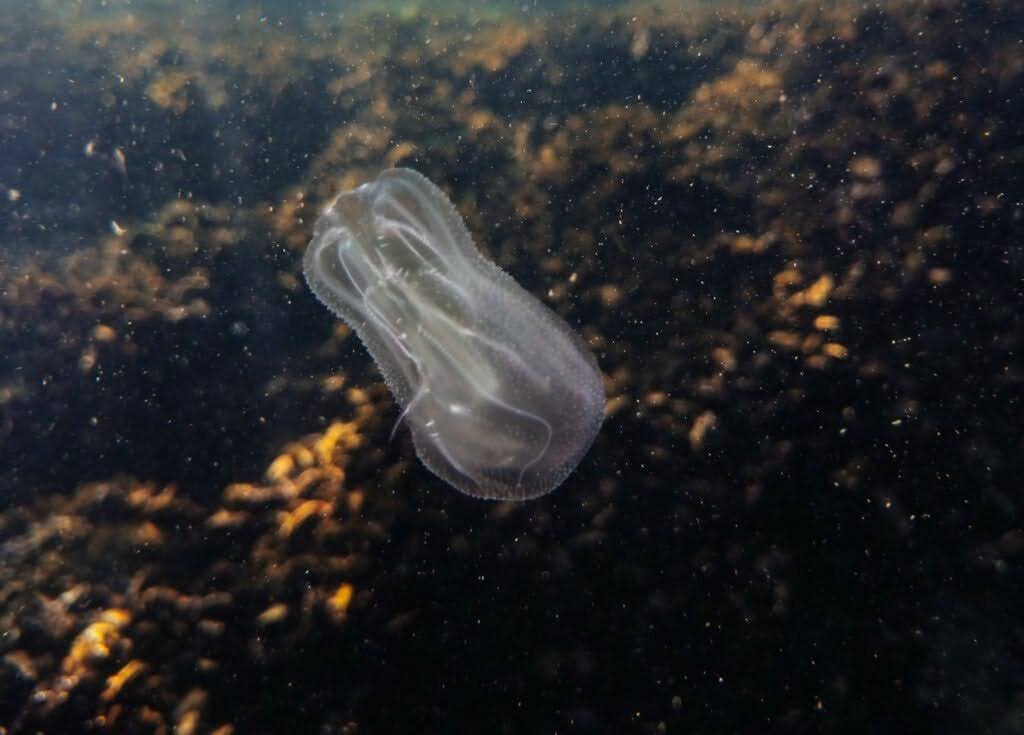
The rapa whelk was first recorded in the Black Sea in the 1940s; the comb jelly in the 1980s. For this reason, there is plenty of research on the negative impact of these species. The comb jelly, lacking natural predators, reproduced uncontrollably and began devouring large quantities of zooplankton, the primary food source for fish. The rapa whelk eventually became a target for commercial fishing, but this was not enough to mitigate its harmful impact.
“The rapa is a predatory marine mollusk that crawls along the seabed and eats everything within reach,” says Goldin, who explains that the whelk population has been destroyed in the Black Sea oyster, as well as a significant portion of the Black Sea mussel population and other bivalves. “This led to environmental consequences: since the biomass of mussels and mollusks decreased significantly, the quality of seawater filtration deteriorated, as bivalves are the main natural filter feeders. As a result, nutrient levels increased in the seawater, leading to a process known as eutrophication (algae bloom). This happens when the water becomes overloaded with organic matter, which reduces the oxygen content, since all the oxygen is being absorbed by the organic matter. The result is die-offs of fish and other animals,” he explains.
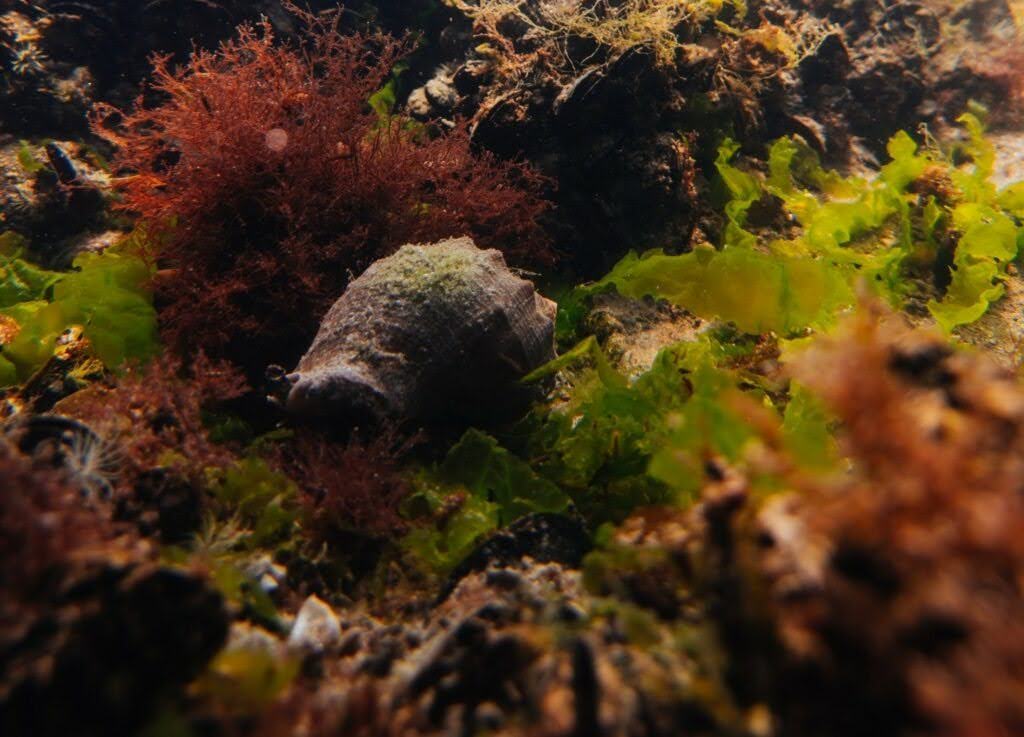
Declining oxygen levels have seen a further reduction in the number of bivalve mollusks that filter seawater. This is especially evident in the vicinity of Odesa, a part of the Black Sea in the northwest that historically has had a high nutrient content.
In addition, recent decades have seen a decline in biodiversity in areas where new Black Sea inhabitants, lacking natural enemies and competitors, have expanded most actively.
In the wake of the Kakhovka disaster, it was precisely because the ecosystem had been weakened by invasive species that nature was unable to quickly recover from the damage inflicted.
Not all invasive species have such catastrophic consequences for the environment. However, any new species is unpredictable when it actively reproduces. It is impossible to know in advance how invaders will behave in new conditions, and conclusions about their impact can only be made once the population has actively reproduced. And as observations of rapa whelk and comb jellies show, these processes can take decades.
Environmental disasters in wartime: What awaits the Black Sea?
The destruction of the Kakhovka dam released huge volumes of freshwater from the Kakhovka Reservoir, which flowed downstream into the Black Sea, carrying freshwater habitat species that also survive in marine habitats. Interbreeding between marine and freshwater populations of the same species poses a potential threat, since it can result in the emergence of recessive genes—genes that are not currently active. These recessive genes are not observable until the next generation.
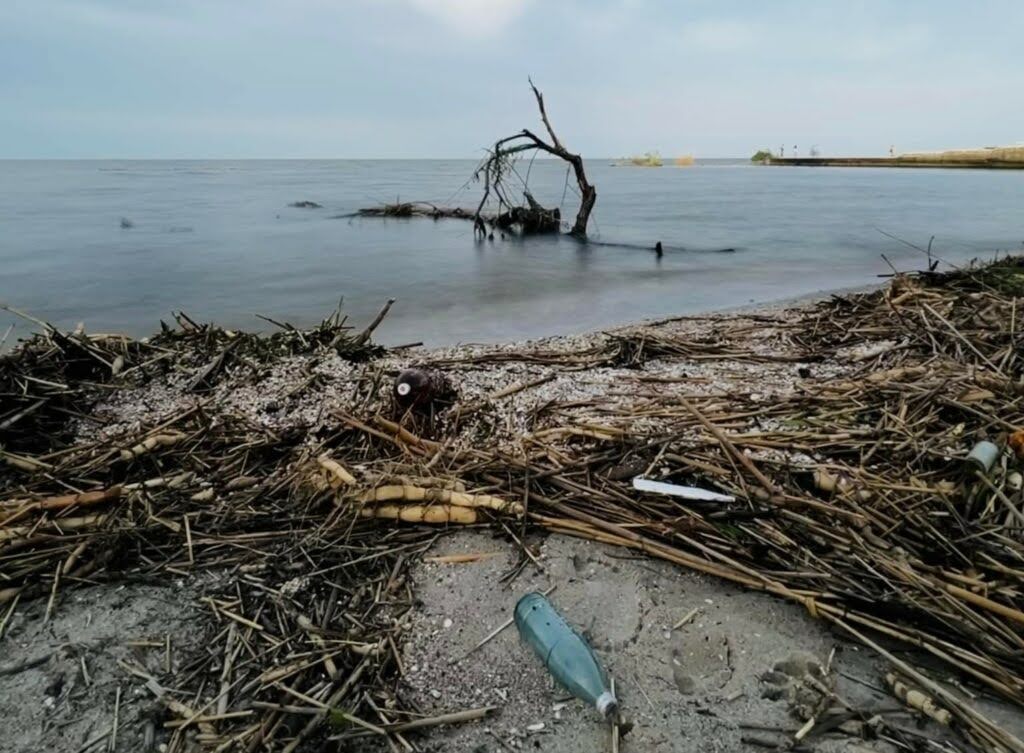
This could produce either a new population that will form a new, ecosystem-altering subspecies, or, conversely, individuals vulnerable to disease. Ultimately, the population—and with it, the species—could begin to die out. Yuriy Kvach, a leading researcher at the National Academy of Sciences of Ukraine’s Institute of Marine Biology, cautions that it is impossible to reliably predict how such a situation will play out or what the future holds for these species.
“One such species, which has both marine and freshwater populations, is the round goby,” he explains. “This is our Black Sea goby, which was once very common near Odesa.” According to Kvach, the species is generally considered to be an inhabitant of brackish water; it migrated up rivers and formed freshwater populations there. But in fact they are essentially the same species. “Although freshwater populations have a different genetic structure, they can interbreed with their marine relatives,” he continues. “And this is just one example. Various small fish-like creatures and mollusks form both marine and freshwater populations. There are many species known only to researchers, but they do exist.”
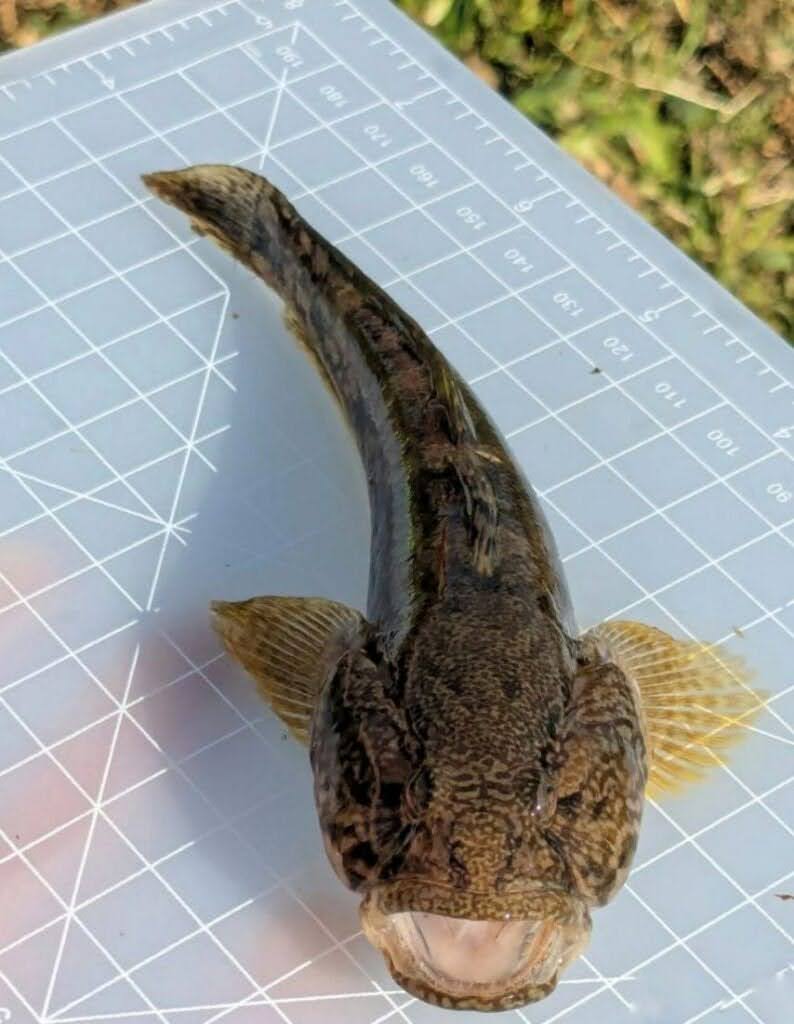
Interbreeding between different species does not pose a significant threat in itself. In fact, this is a process that occurs constantly, especially in aquatic environments, where both sperm and eggs are released externally, creating a situation in which various hybrids are regularly produced. However, these hybrids pose no threat to the ecosystem: they are unstable in the external environment, do not survive long, and do not produce offspring. Crossbreeding between different populations of the same species is more dangerous and can lead to a hidden invasion. Favorable conditions and active reproduction can see new species displace native species.
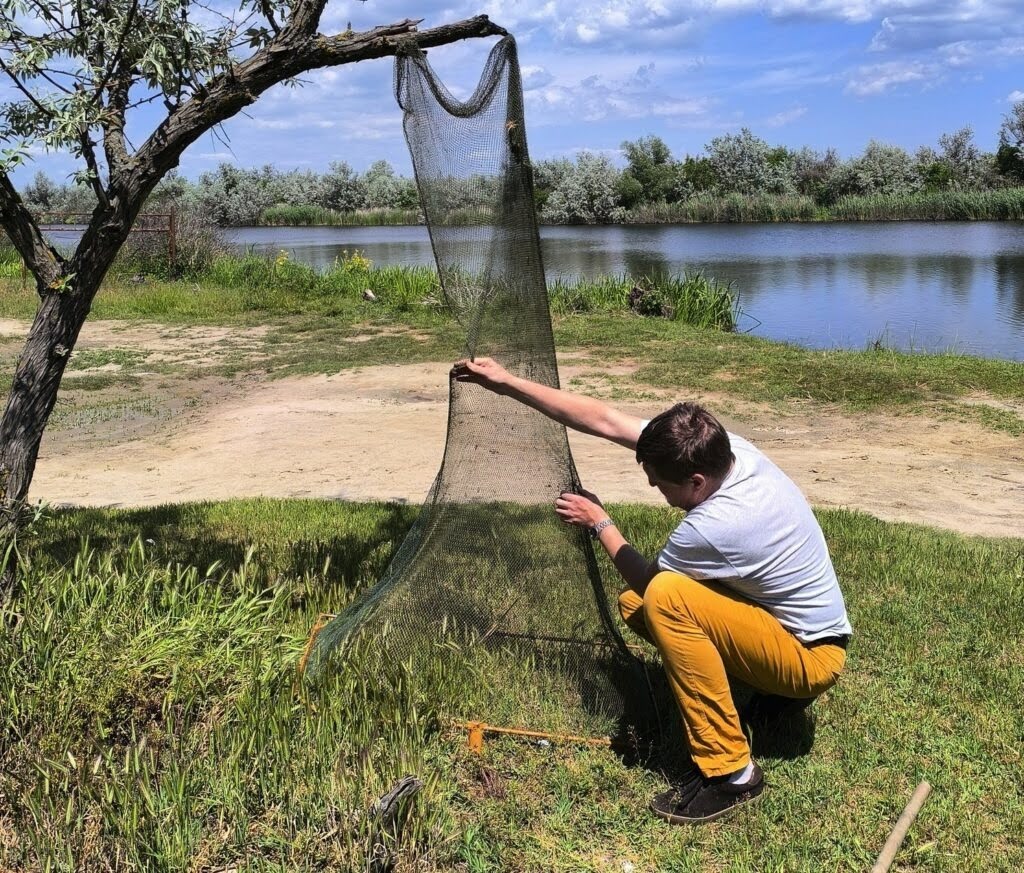
Research is currently ongoing, but martial law imposes its own restrictions. Marine biologists are carrying out fieldwork throughout the Gulf of Odesa, including in delta areas, and also have the necessary permits to work in the Danube Biosphere Reserve, which borders Romania. Research in Odesa region estuaries is also of great importance, as it provides an opportunity to understand the state of biodiversity in the Black Sea—as Yuriy Kvach explains.
“Firstly, we can work in open beach areas. Also, some of our estuaries actually have marine ecosystems—for example, the Tylihul and Tuzly estuaries, where we also work. So research is possible, but unfortunately, we can’t provide a complete picture at this point. When we need information from the open sea, it’s impossible to access it. We understand that we’re hostages to the current situation, because we didn’t start the war,” he says.
Today, scientists can only say that new species are indeed appearing in the Black Sea. Changes are also taking place as a result of the completely uncontrolled movements of the Russian navy, and Moscow’s use of a “shadow fleet” of aging tankers to evade sanctions is causing oil spills. However, it will only be possible to carry out a full-scale study of how the war is affecting Black Sea ecosystems when the guns fall silent.
Read more:
- Impact of Russia’s invasion of Ukraine on the Black Sea and the Sea of Azov
- Invasive species threat resulting from Russia’s full-scale invasion of Ukraine
This article has been published as part of the Climate Content Pool project.
Translated by Alastair Gill
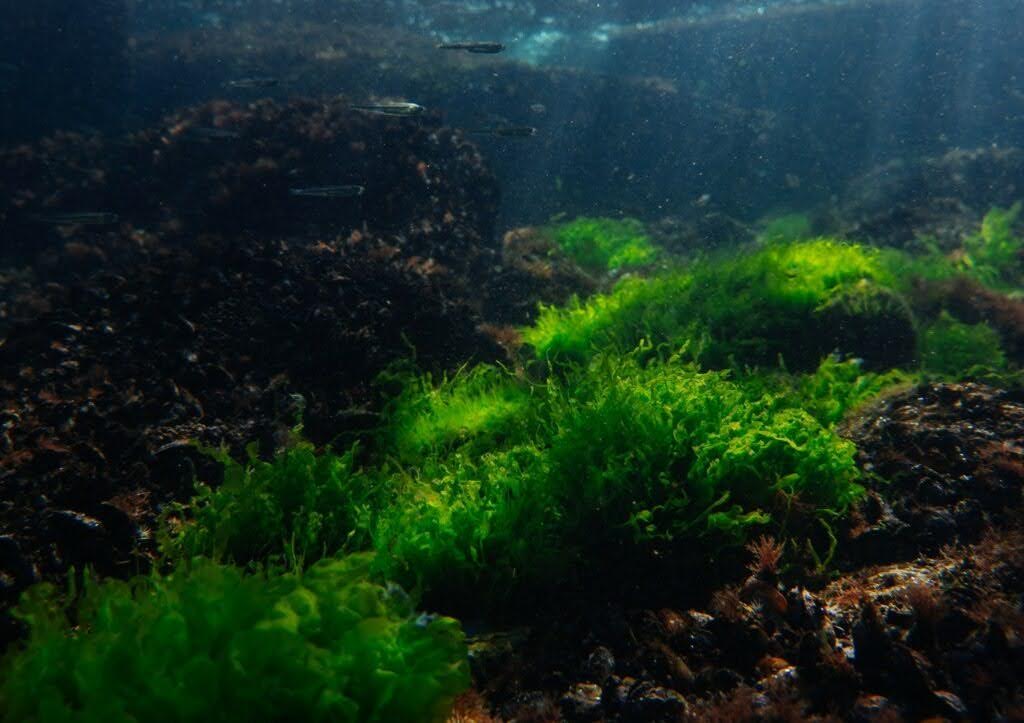
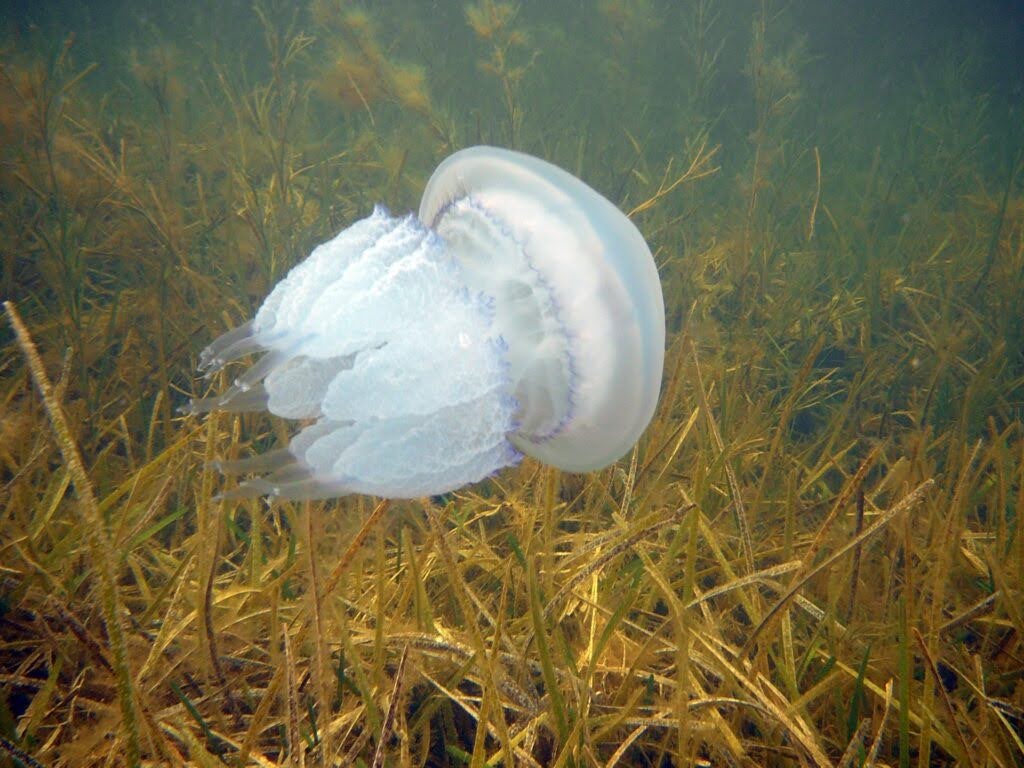
Main image: The diversity of Black Sea fauna has suffered as a result of invasive species. Source: Ivan Strakhov