Polina Tsybulska
Read More “Environmental security: a key element of Ukraine’s national policy” »

Ukraine War Environmental Consequences Work Group
Seeking solutions through information sharing about the environmental impacts of the war. UWEC Work Group.
Israel demonstrates how environmental security can be integrated into national defense and diplomacy. Climate risks are treated as threat multipliers affecting water, food, migration and regional stability. Israel’s National Adaptation Plan incorporates climate risks into defense assessments and allocates significant funding for monitoring and the development of resilient infrastructure. Advanced environmental monitoring relies on satellite…
Read More “Environmental security in the Middle East: lessons from Israel, Palestine, and Lebanon” »
While the country’s eastern regions now under Russian occupation are primarily industrial areas, the southern expanse of Crimea and Kherson has historically been central to agriculture, botany and biodiversity. Although Ukraine covers less than 6% of Europe’s landmass, it is home to about 35% of the continent’s biodiversity. Many of the country’s rare and endemic…
Read More “Occupied agricultural lands and biodiversity at risk in Ukraine” »
Environmental security links clean air, safe water, fertile soils, and public health to the survival of society. Ukrainian legislation defines it as the prevention of environmental degradation and threats to human health through the actions of the state, businesses, and citizens. Russia’s full-scale invasion has raised the issue of Ukraine’s environmental security to a new…
Read More “Environmental security in Ukraine: war, ecocide, and recovery” »
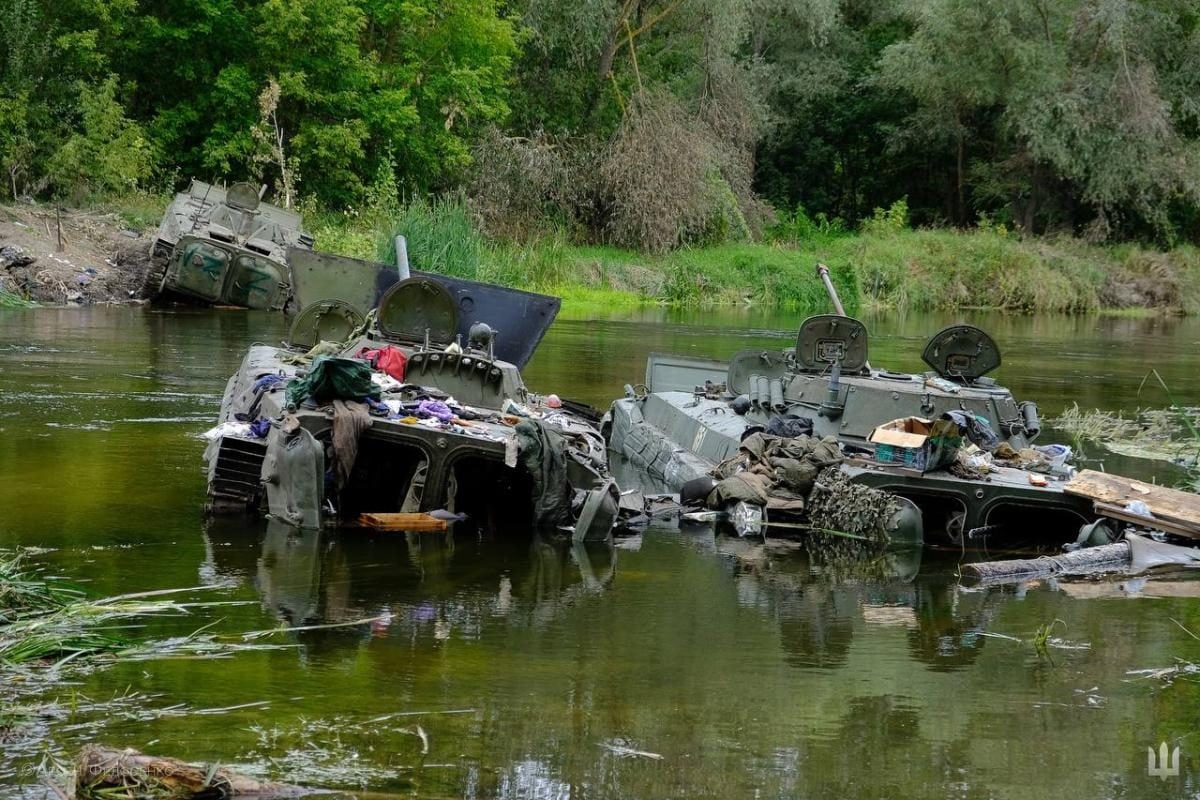
Wetlands provide a variety of services: support biodiversity, regulate waterflow, and help to mitigate climatic impacts. They store carbon, recharge groundwater and reduce flood risks. The Ramsar Convention on Wetlands and EU environmental frameworks recognize their critical ecosystem services. The war has reshaped defense thinking in Europe. Latvia now restores peatlands as natural military barriers….
Read More “Wetlands as natural defense: how the Irpin wetlands stopped Russian tanks” »
The year 2024 became the hottest in 176 years of observations: the average near-surface air temperature on Earth for the first time exceeded the pre-industrial level (the average temperature in 1850–1900) by more than 1.5°C and reached 15.1°C. The year 2025 was slightly cooler (by 0.13°C), but it continues the negative trend of increasing greenhouse…
Read More “US exit from climate institutions amid record global warming” »
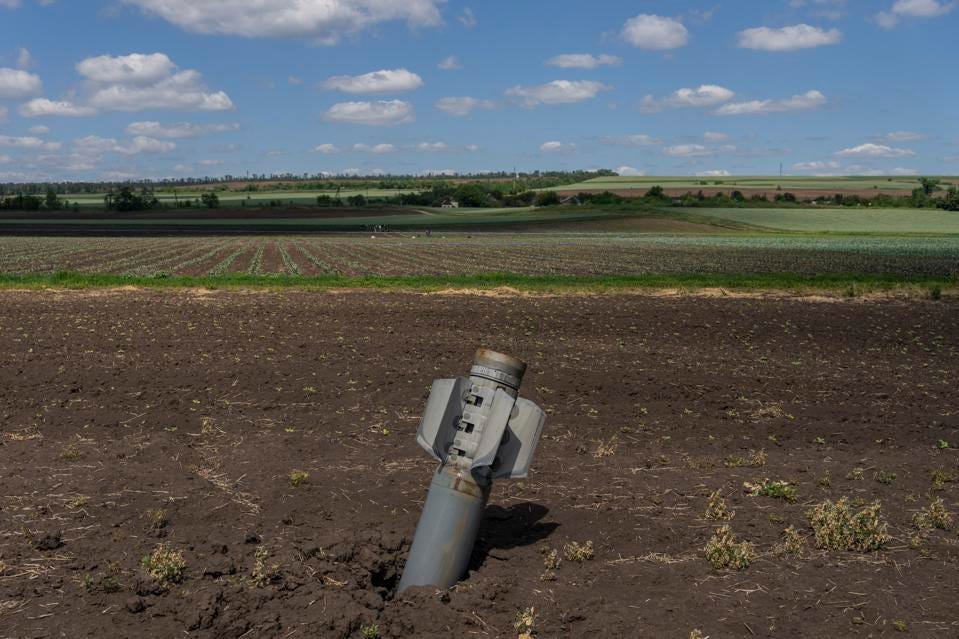
A combat zone is not only ruins, but also fields riddled with explosion craters. What could be done after the war? Agricultural lands in Ukraine during the war In 2022, UWEC—an organization uniting environmental scientists and activists from Russia, Ukraine, Belarus, Germany, and the United States—analyzed a satellite image of an arable field near the…
Read More “How warfare destroys Ukraine’s farmland and wildlife” »
Whether the decision is made to restore destroyed cities or to build new ones, two questions will inevitably arise: what to do with the ruined cities, and how dangerous are they for the environment? Asbestos in Construction Debris In 2017, Doctor of Technical Sciences Hennadiy Drozd, a professor at Luhansk State University, studied the possibilities…
Read More “Toxic ruined cities in Ukraine: asbestos, mines, and chemical legacies” »
History does not teach people well. Tragedies are forgotten, and power-hunger and hatred take over. Then the old questions arise again. Humanity has already thought about rebuilding ruined cities. It took 10 years to rebuild Stalingrad, 21 years to rebuild Warsaw, and in Dresden, the last ruined building, the Frauenkirche, was only restored in 2005….
Read More “Ukraine’s ruined cities: rebuild or start from scratch?” »