Skip to content
  • EN
  • UA
  • RU
Ukraine War Environmental Consequences Work Group

Ukraine War Environmental Consequences Work Group

Seeking solutions through information sharing about the environmental impacts of the war. UWEC Work Group.

  • Home
  • About UWEC
  • Issues
    • Issue #34
    • Issue #33
    • Issue #32
    • Issue #31
    • Issues 21-30
      • Issue #30
      • Issue #29
      • Issue #28
      • Issue #27
      • Issue #26
      • Issue #25
      • Issue #24
      • Issue #23
      • Issue #22
      • Issue #21
    • Issues 11-20
      • Issue #20
      • Issue #19
      • Issue #18
      • Issue #17
      • Issue #16
      • Issue #15
      • Issue #14
      • Issue #13
      • Issue #12
      • Issue #11
    • Issues 1-10
      • Issue #10
      • Issue #9
      • Issue #8
      • Issue #7
      • Issue #6
      • Issue #5
      • Issue #4
      • Issue #3
      • Issue #2
      • Issue #1
  • Highlights
  • Contacts
  • Resources
    • Webinars
  • Toggle search form

Ukraine Recovery Plan: environmental “blind spots” in RDNA reports

Posted on April 2, 2026June 1, 2026 By Editor No Comments on Ukraine Recovery Plan: environmental “blind spots” in RDNA reports

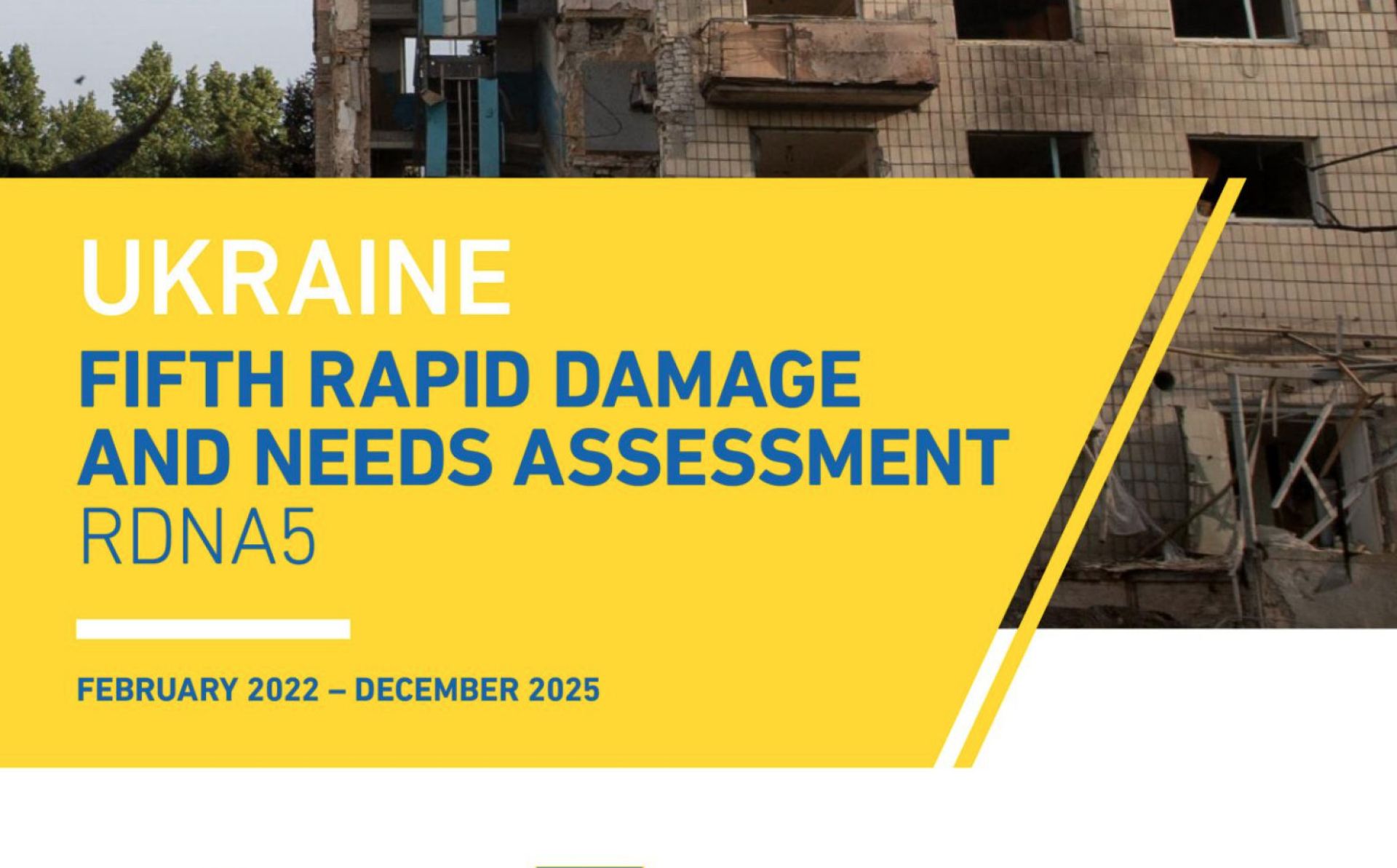
The environmental dimension of Ukraine’s recovery remains underestimated in RDNA reports (Rapid Damage and Needs Assessments). From 2023 to 2026, the approach evolved from a narrow focus on forests to a broader understanding of ecosystems, yet RDNA5 has simplified the analysis again. Biodiversity is mentioned only within a general damage estimate of $36 billion, while funding for environmental measures is about $3.1 billion – less than 1% of total need.

The latest fifth report overlooks national parks, steppes and wetlands, focusing instead on commercial forestry and basic cleanup. In agriculture, priority is given to restoring pre-war systems, including irrigation, while civil society organizations speak out for agroecological innovation and climate adaptation.
RDNA

Building Back Business as usual: Can the Rapid Damage and Needs Assessment provide strategic planning support for green rebuilding of Ukraine?

A conflict is emerging between accelerating recovery and maintaining environmental standards. RDNA prioritizes rapid fund allocation and simplified procedures, whereas Ukrainian civil society calls for adherence to the EU’s “Do No Significant Harm” principle and the recognition of ecosystem services. In practice, environmental assessments are limited, registries remain closed, and oversight is weakened.

The “Build Back Better” principle remains largely declarative. Specific measures for nature protection and climate adaptation are largely absent from the reports. Funding does not clearly distinguish between climate-focused projects and standard infrastructure modernization.

Support UWEC Work Group

Despite limited public participation in RDNA preparation, pressure from NGOs has increased attention to environmental risks. Nevertheless, a gap persists between their sustainability-driven demands and the actual recovery practices in wartime conditions.

Recent posts:

  • Re-dam or to restore the Dnipro: What are the goals of International Financial Institutions in the Dnipro River valley?
  • Espoo Convention: Does cross-border environmental impact assessment work in war zones?
  • Underwater migrants: the invasive species upsetting ecosystems in Ukraine’s Black Sea waters
  • The Zone and the war: the new tragedy of Chornobyl
  • Environmental consequences of the war in Ukraine: Dec 2025 – February 2026 review
Highlights

Related Posts

  • Odesa oil spill: delayed response, ecological damage and wildlife crisis Highlights
  • Russia’s strikes on Ukraine’s oil terminals trigger large-scale vegetable oil spills Highlights
  • Kreminski Forests National Park in the Luhansk region devastated by the war Highlights
  • Toxic legacy of the war in the air we breathe Highlights
  • Liquid iron curtain: how the Dnipro turned from a cradle of life into a weapon of mass destruction Highlights
  • Environmental security in the Middle East: lessons from Israel, Palestine, and Lebanon Highlights

Leave a Reply Cancel reply

Your email address will not be published. Required fields are marked *

  • Twitter
  • Facebook
  • YouTube
  • Telegram
  • Bluesky
Support Us

Topics

  • Civil society (36)
  • Climate Crisis (11)
  • Crisis & Cooperation (52)
  • Direct Impact (57)
  • Ecosystems (67)
  • Environmental Policy (85)
  • Green Recovery (45)
  • Highlights (33)
  • Issues (1)
  • Sanctions (12)
  • Uncategorized (8)
  • Webinars (11)

Sign-up for Our Issues:

Copyright © 2022-2025 Ukraine War Environmental Consequences Working Group.

Powered by PressBook News WordPress theme