
The environmental dimension of Ukraine’s recovery remains underestimated in RDNA reports (Rapid Damage and Needs Assessments). From 2023 to 2026, the approach evolved from a narrow focus on forests to a broader understanding of ecosystems, yet RDNA5 has simplified the analysis again. Biodiversity is mentioned only within a general damage estimate of $36 billion, while funding for environmental measures is about $3.1 billion – less than 1% of total need.
The latest fifth report overlooks national parks, steppes and wetlands, focusing instead on commercial forestry and basic cleanup. In agriculture, priority is given to restoring pre-war systems, including irrigation, while civil society organizations speak out for agroecological innovation and climate adaptation.
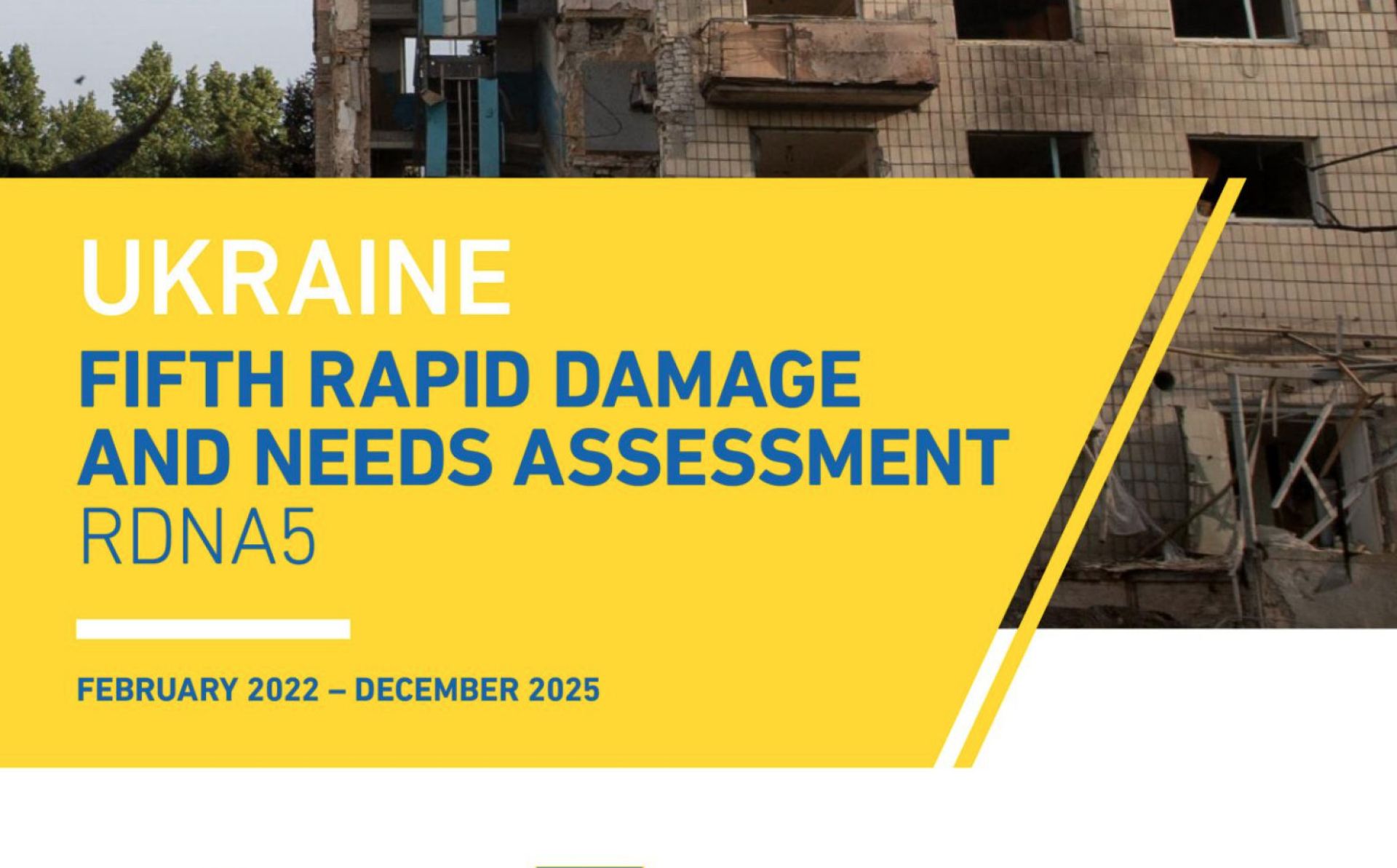
A conflict is emerging between accelerating recovery and maintaining environmental standards. RDNA prioritizes rapid fund allocation and simplified procedures, whereas Ukrainian civil society calls for adherence to the EU’s “Do No Significant Harm” principle and the recognition of ecosystem services. In practice, environmental assessments are limited, registries remain closed, and oversight is weakened.
The “Build Back Better” principle remains largely declarative. Specific measures for nature protection and climate adaptation are largely absent from the reports. Funding does not clearly distinguish between climate-focused projects and standard infrastructure modernization.
Despite limited public participation in RDNA preparation, pressure from NGOs has increased attention to environmental risks. Nevertheless, a gap persists between their sustainability-driven demands and the actual recovery practices in wartime conditions.
Recent posts:
- Oil-covered seas: Is it possible to reduce the damage to ecosystems?
- Wild Victims of War—Paczoski’s knapweed (Centaurea paczoskii)
- Promises or commitments? Fifty shades of green at the Ukraine Recovery Conference 2026
- Environmental consequences of the war in Ukraine: July–August 2026 Review
- UWEC Work Group designated an “undesirable organization” in Russia